




Tokenization continues to enter traditional markets
AFP via Getty Images
Crypto volatility continues to define the sector, and the recent series of articles documenting how President Donald Trump continues to profit from recent investments in a range of crypto activities highlights how political this space remains. In addition to the (now usual) intense political debate surrounding the sector, even the long-awaited market structure bill (the CLARITY Act) has stalled, with significant issues being raised by both the banking lobby and major crypto exchanges such as Coinbase. Cryptocurrency and crypto investors are no strangers to volatility and headwinds, but it would be reasonable for some level of discouragement to begin to set in as the Davos Summit is in full swing.
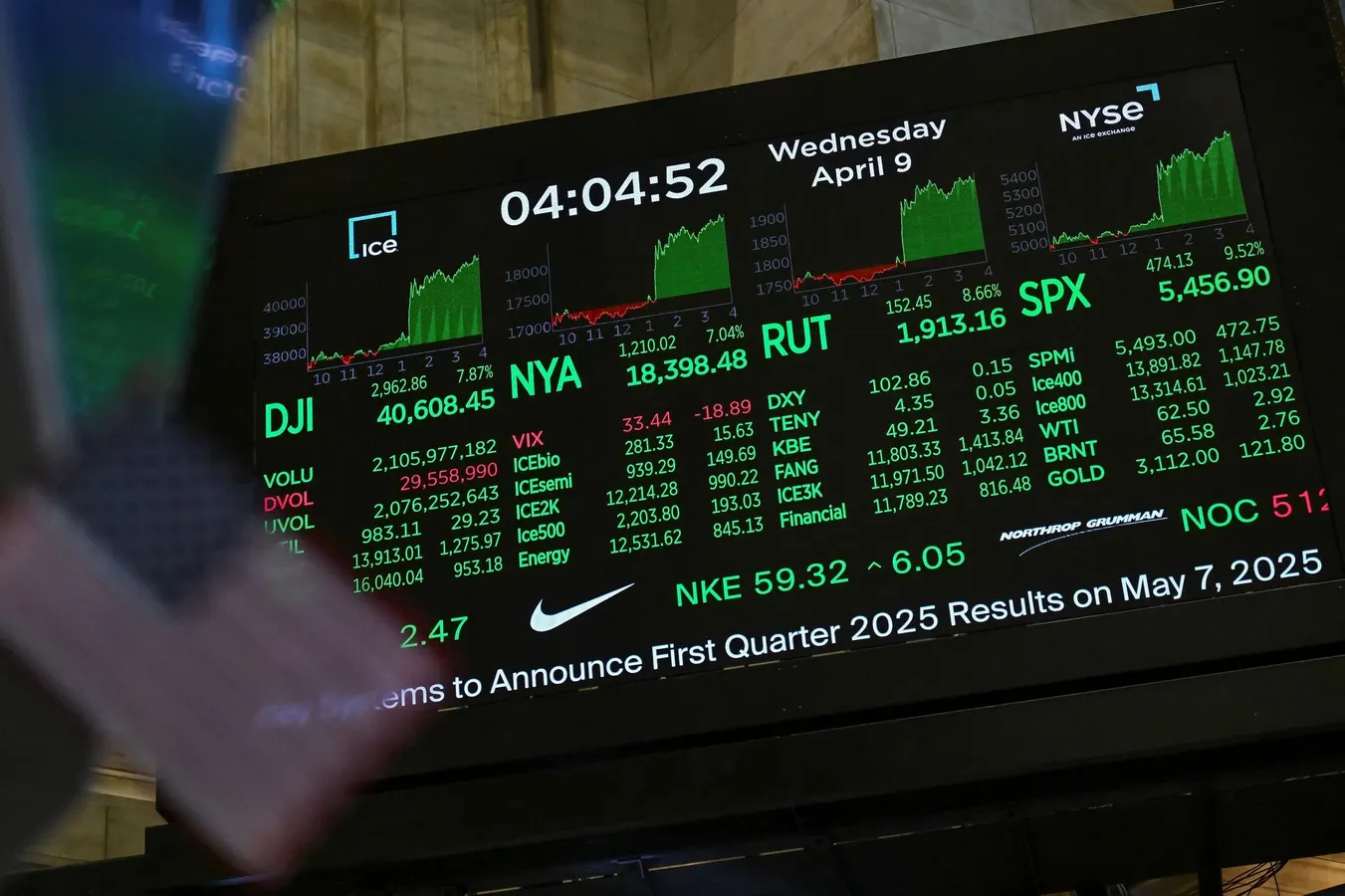
That said, a title that has been simmering for a long time (not to mention the stablecoins and on-chain payments launched by TradFi) is finally about to come to fruition. The NYSE recently announced plans to launch a 24/7 blockchain-based tokenized stock and ETF exchange, aiming to launch operations later in 2026. Given speculation about the total potential size of tokenized securities, it could reach a market capitalization of $400 billion in 2026, with room to grow to a multi-trillion dollar market in the coming years.
Putting more assets on-chain might seem like an unexciting novelty to some crypto advocates and investors, but this headline has the potential to shake up financial markets more than virtually any other crypto development to date.
TradFi’s adoption of blockchain accelerates
While the NYSE is rightly in the headlines in coverage of this news, it is part of a broader aspect of the strategy undertaken by Intercontinental Exchange, which in turn is (almost surely) spurred by similar efforts underway at Nasdaq to support 24/7 options trading for certain products. In addition to ongoing efforts at the NYSE, Intercontinental Exchange is also working with banking giants such as BNY and Citi to integrate tokenized deposits to facilitate clearing and money management processes occurring outside of TradFi bank hours.
BNY itself has made significant investments in blockchain and tokenized products, including a blockchain-based real-time audit tool, a tokenized custodial service, and the expansion of crypto custody offerings to existing clients. Even as regulation advances and policymakers continue to debate crypto, the TradFi sector has continued to move toward widespread adoption and use.
Stablecoin integration continues
In another win for the stablecoin sector, these assets are positioned to play an important role on the proposed platform. As stablecoins continue to achieve political and institutional victories and adoption, the benefits associated with increased integration of stablecoins into real-world tokenized asset platforms are becoming clear. Since stablecoins are both linked to fiat currencies and operate on-chain, traders and investors can transact, including cross-border transactions using a tool that combines the traceability and speed of crypto with the predictability of existing fiat currencies. The launch of the NYSE initiative, which will no doubt be followed by other efforts, will only increase demand for stablecoins following a year (2025) in which their crypto subset will see substantial growth and adoption.
Coupled with the GENIUS Act which is expected to take effect more fully as early as January 2027, 2026 appears to be a major year for stablecoin deployments, testing, and integration by TradFi institutions in the United States and abroad.
Improved Transparency Comes to Crypto
One of the biggest benefits of launching initiatives like the one proposed by the NYSE is that, by default, bringing on-chain transactions and assets to the forefront will also inevitably bring great transparency and scrutiny to on-chain initiatives. To obtain SEC approval, the proposed exchange initiative must ensure compliance with applicable securities laws and investor protection rules. These include custody, reporting and settlement practices that must meet existing and strict standards currently in force. As an increasing number of TradFi institutions adopt and deploy proprietary blockchain solutions, tokenized assets of all kinds will increasingly become a mainstream option for retail and institutional investors.
A critical aspect of this transparency and associated compliance will be the need for the multiple ledgers and/or chains used by the multiple companies that have already launched blockchain-based platforms to achieve seamless integration between these systems. In other words, compliance, attestations, and internal controls will only become more important in the future.
TradFi continues to lead the campaign for mainstream crypto adoption, and investors should take note.


