



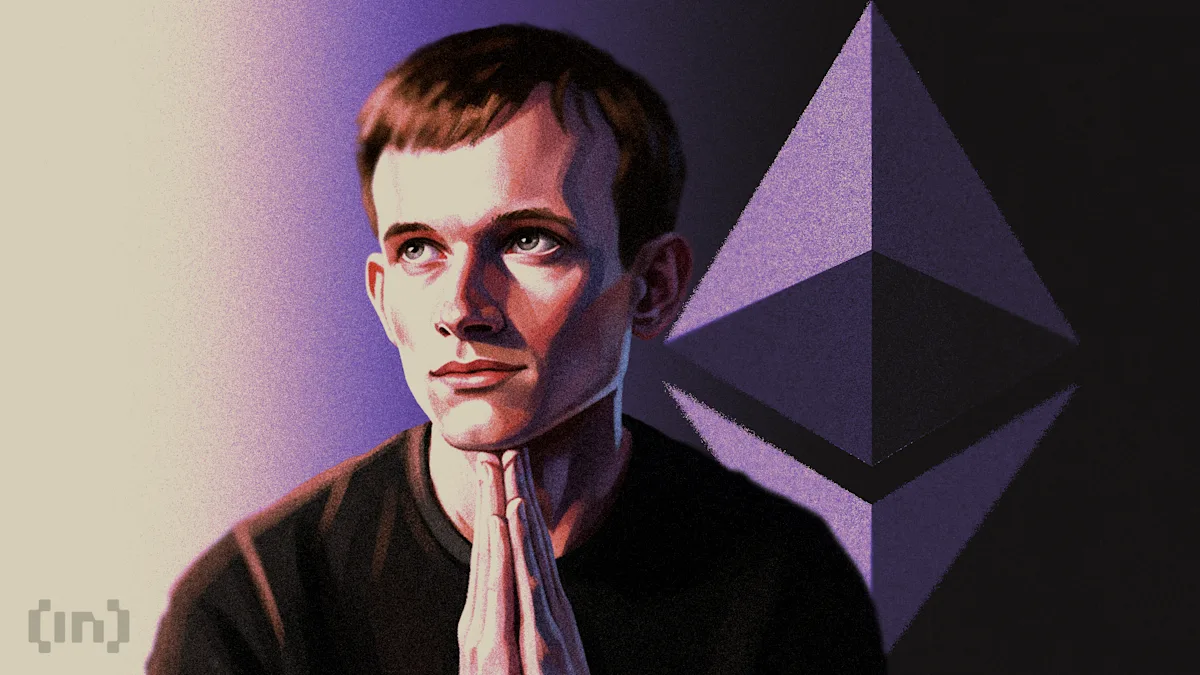
Ethereum co-founder Vitalik Buterin and crypto analyst c-node have reignited the debate over the true purpose of decentralized finance (DeFi).
Together, the two industry experts challenge the growing sector to rethink its priorities.
The underlying problem, experts say, is that much of the current hype about DeFi is superficial, serving speculative interests rather than advancing real DeFi infrastructure.
“There is no reason to use DeFi unless you have an appetite for cryptocurrencies and want to access financial services while maintaining self-custody,” c-node wrote.
They have dismissed common yield-generating strategies, like depositing USDC into lending protocols, as “cargo cults,” suggesting they are emulating the success of DeFi without embodying its original philosophy.
The analyst further pointed out that non-Ethereum chains may struggle to replicate Ethereum’s DeFi boom, noting that early ETH participants were ideologically committed to their own custody. Meanwhile, new ecosystems are dominated by venture capital funds using institutional custodians.
Buterin’s response offered both a counterpoint and a broader framework for what counts as “real” DeFi. The Russian-Canadian innovator argued that algorithmic stablecoins, especially when oversized or structured to decentralize counterparty risk, are considered truly decentralized.
“Even if 99% of liquidity is guaranteed by CDP holders holding negative algo-dollars and separately positive dollars elsewhere, the fact that you have the ability to pass counterparty risk to a market maker remains an important feature,” Buterin wrote.
The Ethereum co-founder also criticized popular USDC-based strategies, noting that simply depositing centralized stablecoins into lending protocols does not meet the criteria of DeFi.
Beyond technical definitions, he articulated a long-term vision: abandoning dollar-denominated systems to turn to diversified units of account backed by decentralized guarantee structures.
The discussion highlights a deeper ideological divide within crypto:
-
On the one hand, DeFi is seen as a tool for speculative capital efficiency, leveraging positions and generating returns without giving up custody.
-
On the other hand, it is considered a fundamental financial system capable of reshaping the global monetary sector through decentralization and risk distribution.
Subsequent responses in the thread reinforced this tension. Some have argued that using DeFi with centralized assets always reduces the number of intermediaries, potentially reducing systemic risk.


