



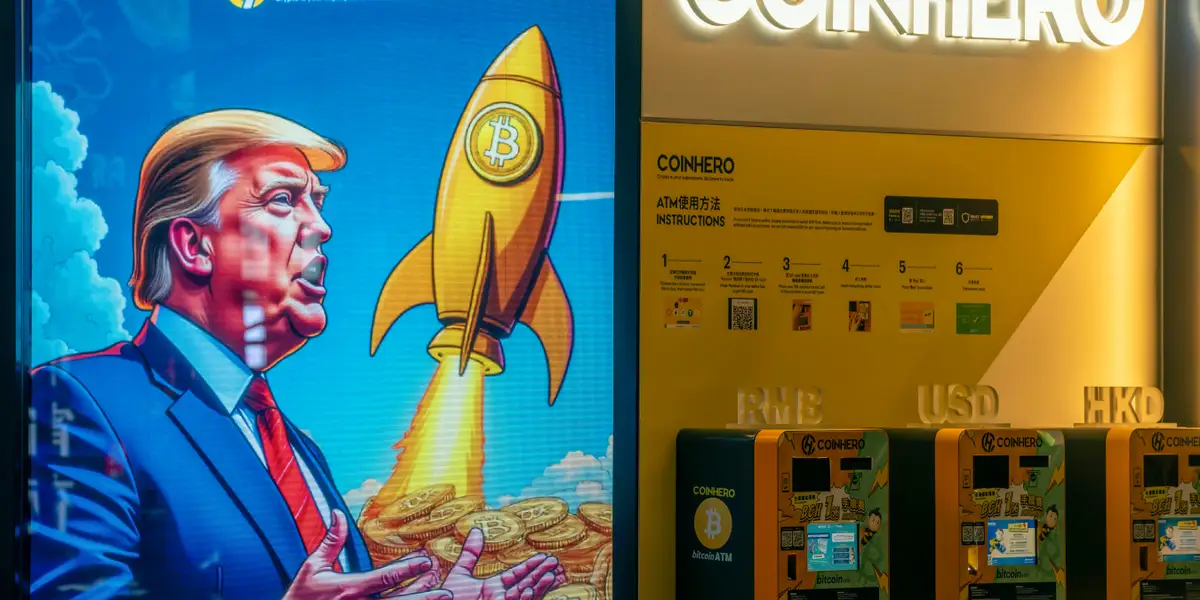
A year into Donald Trump’s presidency, bitcoin is worth less than before his election, and the entire market is in the grip of a crypto winter. According to famous investor Ross Gerber, blame the coin ecosystem for the broader decline.
Gerber Kawasaki Wealth & Investment Management CEO believes the launch of Trump and Melania coins around the time of the inauguration, followed by a subsequent boom in meme tokens, has left investors tired and wary of digital assets.
In his opinion, meme pieces endorsed or launched by celebrities are either rug pulls or end up looking like one. In both cases, normal investors have to pay the price while celebrities get richer.
He pointed to the World Liberty Financial Coin and the Melania token, both of which have fallen in price, while the Trump meme has also lost around 80% of its value over the past year.
“People go out and buy this stuff because they’re buying into the fraud, and then they get burned, and that money doesn’t come back. It was stolen from them.”
That’s only part of the problem Gerber sees. When people lose money betting on meme coins, he added, they usually turn their backs on crypto and don’t come back. He also believes the Trump administration’s softer approach to regulating cryptocurrencies is making the market less attractive to ordinary investors.
He said that it is extremely difficult for Bitcoin to recover when investors are afraid of cryptocurrencies, because demand only increases when new participants enter the market.
Gerber also cited other celebrity-launched cryptos, such as the token launched by former New York Mayor Eric Adams and the $HAWK coin launched by internet personality Haliey Welch, as examples of celebrity meme coins that crashed shortly after their debut, while leaving investors holding the bag.
Gerber is not alone in arguing that a growing lack of trust in crypto is undermining bitcoin and the broader crypto market. Economist Mohamed El-Erianchief economic adviser at Allianz, recently argued that it would be difficult for bitcoin to rally until institutional investors increase their stake.


