



KEY TO REMEMBER
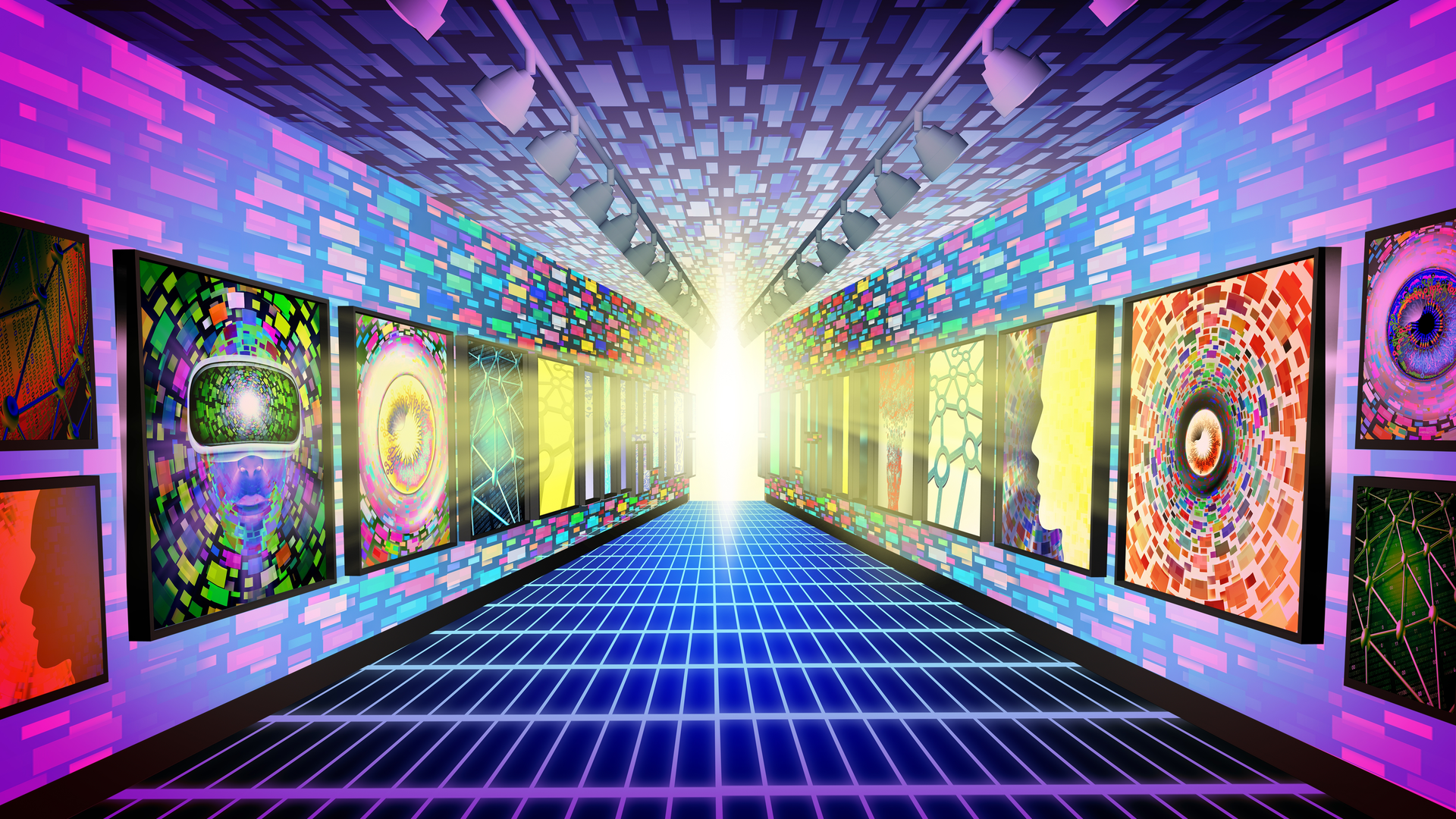
- The Museum of Crypto Art operates as the premier cultural institution dedicated to crypto art, using decentralized curation to challenge traditional gatekeepers and answer fundamental questions about the definition and authority of art.
- Blockchain verification through NFTs creates immutable records of ownership that persist even when digital files are shared freely, allowing artists to sell directly around the world. At the same time, smart contracts automatically trigger royalties on resales to maintain revenue.
- On-chain storage solutions, such as those used in the museum’s Versus Marketplace and Genesis Collection, ensure that artwork remains accessible and tamper-proof, independent of external servers.
- Community governance through tokens like $MOCA and virtual spaces like Mocaverse transforms passive viewing into active management, enabling collaborative exhibitions, events, and decision-making.
- While blockchain introduces challenges such as copyright management, the overall ecosystem fosters a creative renaissance by aligning with the digital age’s values of decentralization and interactivity.
Digital art has long faced challenges in proving its origins, being copied, and receiving fair compensation in traditional markets. In 2026, blockchain technology will directly solve these problems by enabling proof of ownership using non-fungible tokens (NFT) and smart contracts. The Museum of Crypto Art, known as the first cultural institution to focus on crypto art, is leading the way in this change.
It shows how blockchain is changing the way art is created, viewed and maintained through decentralized platforms, on-chain storage and community-driven curation. Examining the institution’s approach and broader Web3 trends reveals a vibrant ecosystem built on free speech, market access, and sovereignty.
The Rise of the Museum of Crypto Art as a Groundbreaking Institution
THE Crypto Art Museum was created as a decentralized cultural venue that challenges traditional ideas of what art is and has the right to decide what it is. Its primary goal is to protect the truth by giving more people a voice, starting conversations, and encouraging conflict that broadens people’s perspectives.
The organization asks fundamental questions such as “what is art?” » and “who decides?” and responds to them through a decentralized, multi-stakeholder platform for conservation and exhibition.
The Museum of Crypto Art is the best place to talk about digital art, crypto culturecutting-edge technology and the NFT revolution. It is an experimental playground that rejects the static and draws on a global, welcoming community. This method places cryptographic art in a new social and economic framework, where the creators are like missionaries of freedom and expression.
How Blockchain Helps Verify and Strengthen Digital Art
Blockchain is changing the art world by providing digital creations with an immutable way to prove their authenticity. Matthew Kayser, contributor, said in his 2025 study, crypto art is “digital art verified on the blockchain.” This means that there is a permanent record that says, “This room belongs to this person.” Even when photos are shared freely online, it is still possible to identify their owners.
Artists are creating NFTs on sites like Open SeaSuperRare or Foundation. This allows them to sell their art directly to collectors around the world, without galleries or middlemen. Kayser says: “No galleries.” No middlemen. “Just creators, collectors and a new way for art to be online.” Smart contracts automatically impose royalties on secondary sales, ensuring that artists continue to get paid long after the first sale.
This system moves the relationship between artist and collector from a one-off sale to a long-term relationship, giving buyers access to private communities, behind-the-scenes updates, and collaboration opportunities.
Why digital art is so popular: freedom, accessibility and community control
Digital art does well on blockchain because it adapts well to the decentralized and ever-changing nature of the world.
The Museum of Crypto Art is a good example of this, as it uses tokens like $MOCA to encourage community members to work together, enrich and care for a shared collection. This creates a solid infrastructure with multiple access points that protects the shared history of crypto art as a public interest.
On-chain storage, like the serverless, blockchain-based Versus Marketplace built on Flow, ensures that artwork is stored on the blockchain rather than on centralized servers. This makes them more durable and easier to find.
Kayser points to the big picture: “It’s not just about flashy NFTs. » It gives control to artists, access to collectors and a whole new way for art to thrive in the Web3 world.
The result is a more democratic ecosystem in which prices are determined by market and community consensus rather than controllers. This means that a 3D designer in one country can immediately reach collectors around the world.
Important Features: Showing How Blockchain Affects the Museum of Crypto Art
The museum’s Genesis collection is like a time capsule for the metaverse. It is home to the first blockchain engravings, called “digital cave paintings,” which tell a transhumanist story. These important works, created on dates like October 18, 2022 (including pieces by Kevin Abosch and others), mark the origins of the movement so that algorithms can return to them in the future.
A dedicated Cryptographic Art Timeline records key events of 2021, including new marketplace launches and record sales. This provides historical context for the ecosystem’s progress. Hyperfy.io operates Mocaverse, a web-based multiplayer virtual world that hosts community activities and exhibitions throughout the year.
It connects crypto art to the metaverse. Together, these parts show how blockchain allows people to have multiple types of experiences, social, physical and digital, around art and artists. This helps people connect on a deeper level and makes crypto art easy to share in everyday situations.
Expert opinions and the changing relationship between artists and collectors
Studies show that blockchain can make art more accessible and personal. Kayser says technology is moving art “from behind velvet ropes” to “shared Discord servers,” where transactions become connections. DAO (decentralized autonomous organizations) allow collectors to participate in projects or vote for exhibitions, thereby transforming the way traditional patronage works into community management.
Virtual galleries and metaverse exhibitions make it even easier for people to see art from around the world. All you need is a laptop or VR headset. Kayser says “Web3 proves that creativity, technology and transparency can coexist and even thrive”, although issues such as copyright and lack of understanding of digital ownership remain “growing pains”.
The Museum of Crypto Art supports this by prioritizing long-term, mutually beneficial relationships between artists and collectors over profit-driven models. One part even says: “Art is not synonymous with profit”.
The future of digital art powered by blockchain
Digital art continues to combine with new technologies, such as AI-based generative processes and fractional ownership structuresas blockchain evolves. The Museum of Crypto Art’s infrastructure, which includes on-chain permanence, community tokens, and virtual worlds, makes it a model for other organizations that want to protect cultural heritage in decentralized settings.
This evolving environment shows how art has evolved over time to keep pace with technological advancements, which are now happening more quickly through openness and direct empowerment. In 2026, the combination of cutting-edge technology and art will continue to generate new ideas, and digital works will not only survive but also change the way people talk about culture.
FAQs
What exactly is the Crypto Art Museum?
It is the first cultural institution dedicated exclusively to crypto art, operating as a decentralized platform that curates, exhibits and manages digital works through blockchain technology and community governance, preserving the history and ideals of the movement.
How does blockchain make digital art flourish compared to traditional formats?
Blockchain offers verifiable ownership, automatic royalties, and direct global sales without middlemen, giving artists control, collectors transparent access, and enabling community-driven evolution of artworks.
Does the Museum of Crypto Art focus only on NFTs or does it include other digital forms?
The institution focuses on blockchain-verified crypto art, including NFTs stored on-chain. Nonetheless, this extends to broader digital expressions that explore paradigms of sovereignty, technology, and culture within the metaverse and beyond.
Are there any physical elements to the Museum of Crypto Art experience?
While primarily virtual through platforms like Mocaverse, the museum model supports deeper social, physical, and digital connections, with exhibits designed to permeate everyday life and inspire real-world discourse.
Why is 2026 an important time to engage in crypto art through institutions like this?
With the maturation of Web3 technologies and the growing recognition of decentralized ownership, 2026 highlights blockchain’s proven ability to foster sustainable artist careers, create interactive communities, and preserve digital heritage amid continued innovation.
References
- Crypto Art Museum: Official website and documentation of the mission.
- “How blockchain is redefining the art world, one digital canvas at a time.” The post-croissant.


