



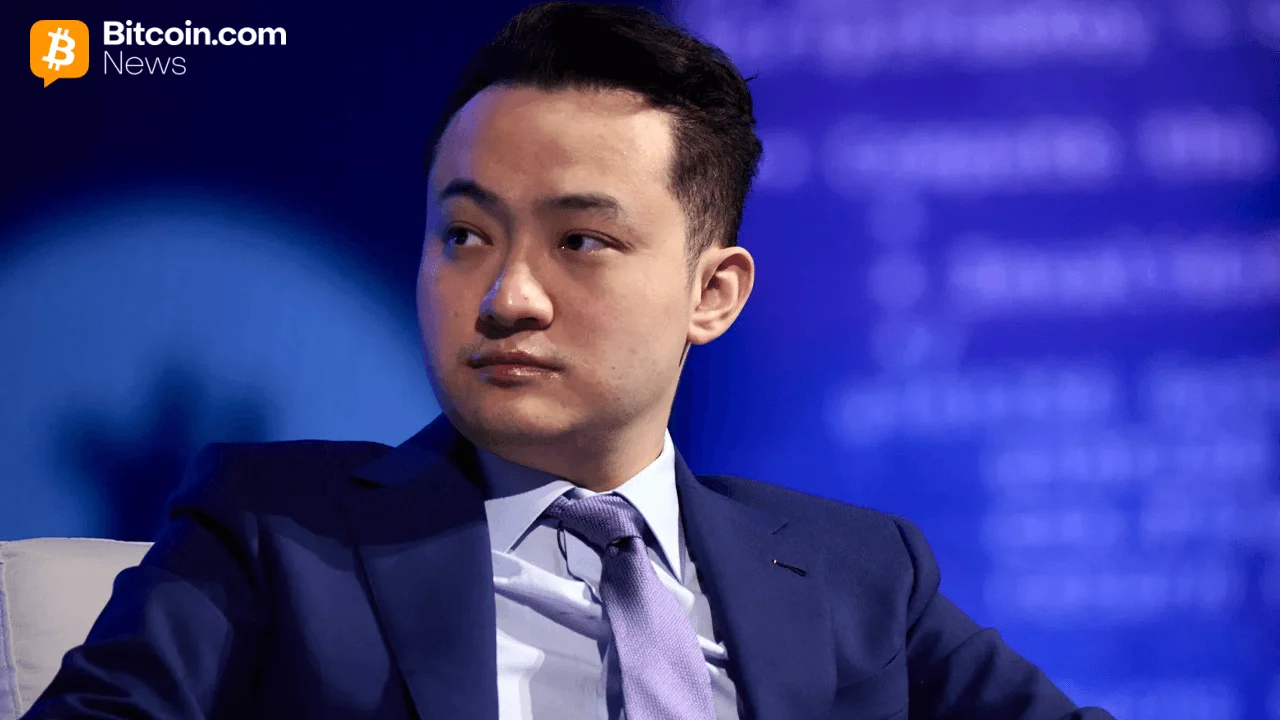
Key points to remember:
- World Liberty Financial publicly threatened Justin Sun with legal action on April 12, 2026, accusing the WLFI investor of $75 million of misconduct and repeated victim behavior.
- Sun hit back, demanding WLFI team members identify themselves for allegedly secret reasons smart contract controls used to freeze its tokens since September 2025.
- With WLFI token prices falling, both parties are now signaling a formal legal escalation.
Justin Sun asks WLFI team to identify themselves after project threatens legal action
Following Sun’s widely shared criticism, WLFI opened the discussion on X, dismissing Sun as a repeat offender with a recognizable pattern.
“Justin’s favorite move is to play the role of the victim while making baseless allegations to cover up his own misconduct,” the draft writes. “Same playbook, different target. WLFI is not the first. We have the contracts. We have the evidence. We have the truth. See you in court, buddy.”
Sun responded directly, bringing the question of responsibility back to the project.
“Whoever is behind this official narrative, come forward and identify yourself,” he wrote. “Every action taken by the WLFI team to secretly implant backdoor controls on user assets, to freeze investor funds without disclosure or due process, and to treat the crypto community like a personal ATM, someone must be held personally accountable for these actions.”

The Tron founder has invested millions in WLFI tokens starting in late 2024, making him the project’s largest known backer. The relationship deteriorated in September 2025 after WLFI tokens became tradable and Sun transferred approximately $9 million in value. WLFI flagged the transfers as a potential risk and used a smart contract feature to freeze its wallet. Sun said the transfers were test deposits.
At the time of the freeze, Sun’s position was valued at more than $100 million. The WLFI token has declined significantly since its launch, reducing the value of these locked holdings to $43.45 million.
WLFI defended the blacklist feature as a security measure, noting that similar freezes applied to hundreds of wallets, not just Sun’s. Sun presented the function itself as the problem, arguing that its existence contradicts the project’s decentralized finance claims and was never disclosed to investors.
Sunday’s public exchange brought these competing positions into the open for the first time at this volume, with both sides signaling they are prepared to take the matter to court.
Neither side has released the contracts or evidence referenced in their posts. The court filings, if continued, would allow these documents to be entered into the record.
Sun’s frozen tokens continued to lose value throughout the standoff. For other WLFI holders, the public conflict adds governance uncertainty to an investment already under price pressure.
Both parties now address the community as much as each other. The next step, legal or otherwise, will likely come quickly.


