



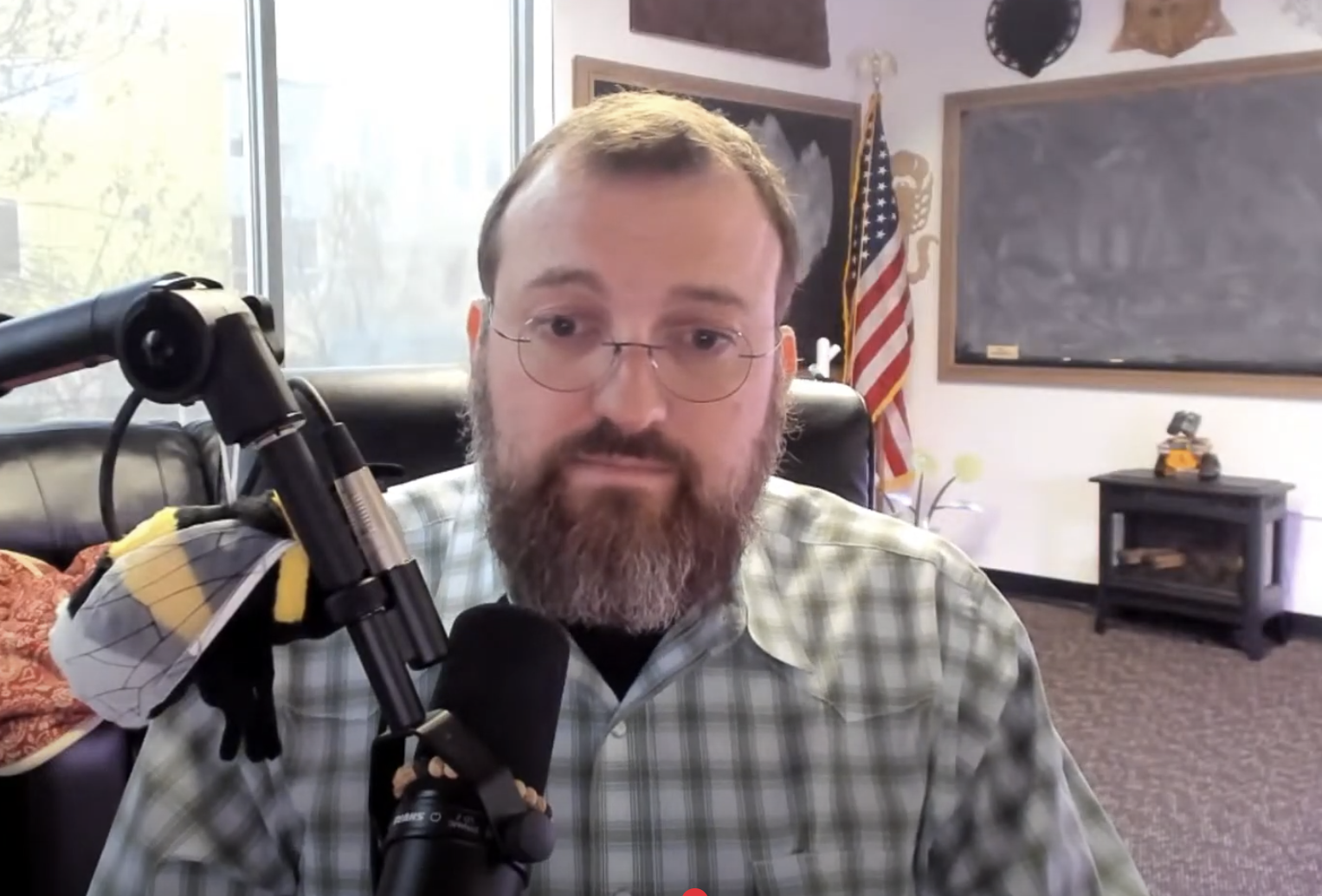

Charles Hoskinson used a January 9, 2026 video update to outline an aggressive push for 2026 that aims to transform Cardano’s DeFi stack into a cross-ecosystem product, explicitly targeting Bitcoin and XRP DeFi integrations alongside Midnight, new bridges, expanded Oracle coverage, stablecoin work, and a faster cadence of ecosystem delivery.
2026 is a defining year for Cardano
Broadcasting from Colorado, Hoskinson described the year as a cycle of execution, with Cardano’s “Pentad” integration effort positioned as an on-ramp for liquidity, users and what he described as “commercially critical” infrastructure. He said contract signings had slowed over the holidays, but insisted the deals were still in the works and would fuel near-term announcements about “bridges and more oracles, stablecoins and analytics,” as well as “more listings.”
The main thesis of Hoskinson’s update was that Cardano cannot win a marginal arms race against other smart contract platforms, and instead needs differentiated functionality and distribution through interoperability. According to him, the Pentad structure aims to ensure that Cardano “is no longer an island”, allowing liquidity and users to “flow freely” and to establish what he called the “next step after the first phase of Pentad”.
According to Hoskinson, the next step should focus on upgrading Cardano’s most important applications to exceed the chain’s current limits. “I’m going to propose that we take the top 15 dabs from the top 20 dapps that we were able to list on Cardano and we upgrade their ***** threads to Bitcoin DeFi, declared.
He presented this as both a plan to support the internal ecosystem and as a growth strategy built around introducing Cardano’s native applications where large pools of capital and users already exist.
Hoskinson repeatedly returned to privacy, positioning it as the “new experiences” that Cardano can offer rather than competing on incremental improvements. He argued that Cardano DeFi would not be competitive “by being slightly better, slightly faster, slightly cheaper than Ethereum or Solana,” and said copycat strategies fail.
“You beat these guys by doing something that no one has ever seen before,” he said before presenting the product concept in unusually direct terms. “And when you add privacy and get private stablecoins, it’s going to be sexy. Showing private prediction markets, private DEXs, you’re bringing something new to the conversation. You’re bringing something new to the table, something people haven’t seen before.”
In Hoskinson’s framework, the argument is not just privacy on Cardano, but the portability of these capabilities across ecosystems once the stablecoin bridge and plumbing is in place, naming Solana, Ethereum, Bitcoin, XRP, BNB and Avalanche as targets for this distribution.
Good year
– Charles Hoskinson (@IOHK_Charles) January 10, 2026
2025 Frustration, 2026 Cadence
Hoskinson also used the update to speak out on industry expectations and what he called the broken promises of US policy talk in 2025, arguing that the industry needs to refocus on adoption and implementation rather than waiting for validation. He described 2026 as “our year” and highlighted a schedule of short-term public-facing moments: workshops, a Japan tour and Consensus Hong Kong where, he said, Cardano will show “amazing announcements and special surprises.”
He also planned a more regulated release rhythm. “And then the rest of the year, every couple of months, a bag of goodies comes in. That’s the cadence,” Hoskinson said, calling it the “death march” of shipping.
At press time, ADA was trading at $0.3953.

Featured image created with DALL.E, chart from TradingView.com
Editorial process as Bitcoinist focuses on providing thoroughly researched, accurate and unbiased content. We follow strict sourcing standards and every page undergoes careful review by our team of top technology experts and seasoned editors. This process ensures the integrity, relevance and value of our content to our readers.


