



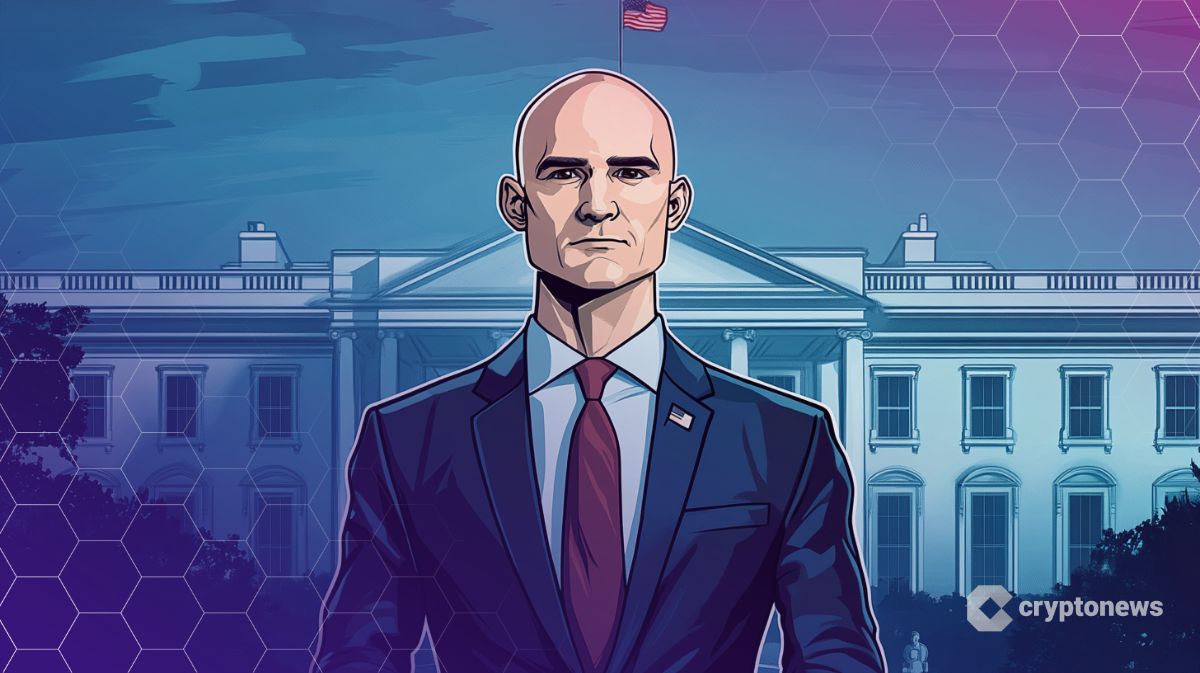
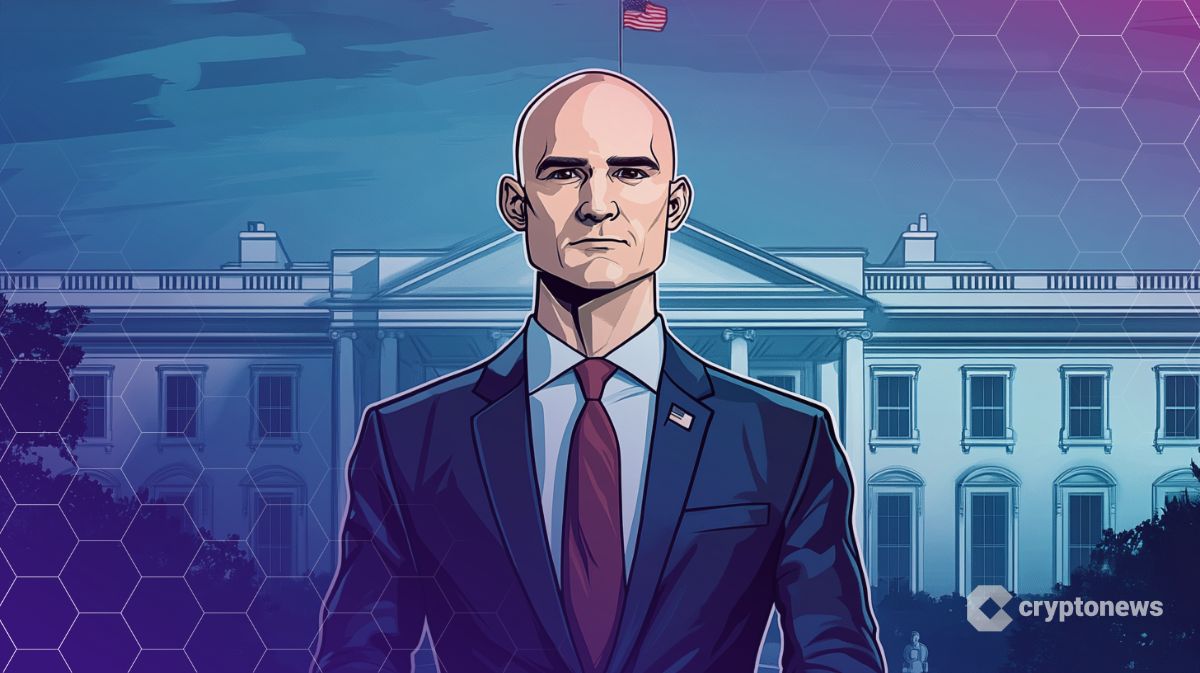
Coinbase CEO Brian Armstrong dismissed reports that tensions with the White House could derail the CLARITY Act, pushing back against claims that the administration is preparing to withdraw support for the crypto market structure bill.
Key points to remember:
- Coinbase CEO Brian Armstrong denied reports of a rift at the White House and said support for the CLARITY Act remained intact.
- Coinbase withdrew its support for the bill, fearing it would harm DeFi, tokenized stocks, and the stable yield of coins.
- Lawmakers have delayed development of the bill amid growing industry divisions over its impact on innovation and consumers.
In a recent article on X, Armstrong said the White House has remained engaged and constructive despite recent disagreements over the direction of the legislation.
He noted that administration officials have encouraged Coinbase to explore possible compromises with banks, with discussions still ongoing, he said.
Armstrong pushes back on claims about White House clashes
“The White House has been extremely constructive here,” Armstrong wrote on X, dismissing speculation of a breakdown in relations.
These comments followed a report from journalist Eleanor Terrett of a conflict between Coinbase and Donald Trump’s administration, suggesting that officials were unhappy with Coinbase’s decision to opt out of the bill.
Coinbase withdrew its support earlier this week, arguing that the latest CLARITY bill could undermine decentralized finance, restrict tokenized stock trading, and prevent companies from sharing the stable yield of coins with users.
Armstrong said the exchange would prefer to see the bill delayed rather than passed in its current form.
He called several provisions harmful to consumers and innovation, calling the bill “catastrophic” while expressing hope that lawmakers and the industry will reach a more workable compromise.
Coinbase circulated a list of objections to the most recent version of the bill, focusing on its impact on DeFi and stablecoin-based products.
Those concerns prompted the U.S. Senate Banking Committee to delay a planned increase to the CLARITY Act, giving lawmakers more time to negotiate changes with industry players.
Armstrong said he expects a revised version of the bill to be sent back for consideration in the coming weeks.
The debate revealed divisions within the crypto industry itself. Some executives argue that the CLARITY Act would provide long-sought regulatory clarity, even with compromises, while others see it as a concession to traditional banking interests.
The sharpest division is over stable coin yield, with critics warning that banning revenue sharing could stifle competition and limit consumer choice.
Crypto regulation becomes political
The past week has highlighted how crypto regulation has moved beyond technical regulation to become a broader political struggle over institutional independence, enforcement power and supervisory authority.
From central bank pressure to legislative gridlock, the policy environment around digital assets remains volatile and increasingly influenced by political dynamics.
This tension became more acute after Jerome Powell publicly warned that a Justice Department investigation related to his congressional testimony risked undermining the independence of the Federal Reserve.
Meanwhile, momentum on federal crypto legislation has slowed as the U.S. Senate Agriculture Committee delayed implementation of the Digital Asset Market Clarity Act amid unresolved disputes over DeFi, stable coin yield and regulatory jurisdiction.
Concerns intensified after Galaxy Digital warned that a Senate banking bill could grant the Treasury sweeping “Patriot Act”-style powers, raising fears that aggressive regulators could curb innovation and push crypto activity overseas.
The post Coinbase CEO denies White House breach, says support for CLARITY Act remains intact appeared first on Cryptonews.


