



At present, we are well aware that financial markets are moving from testing blockchain to deploying it in production.
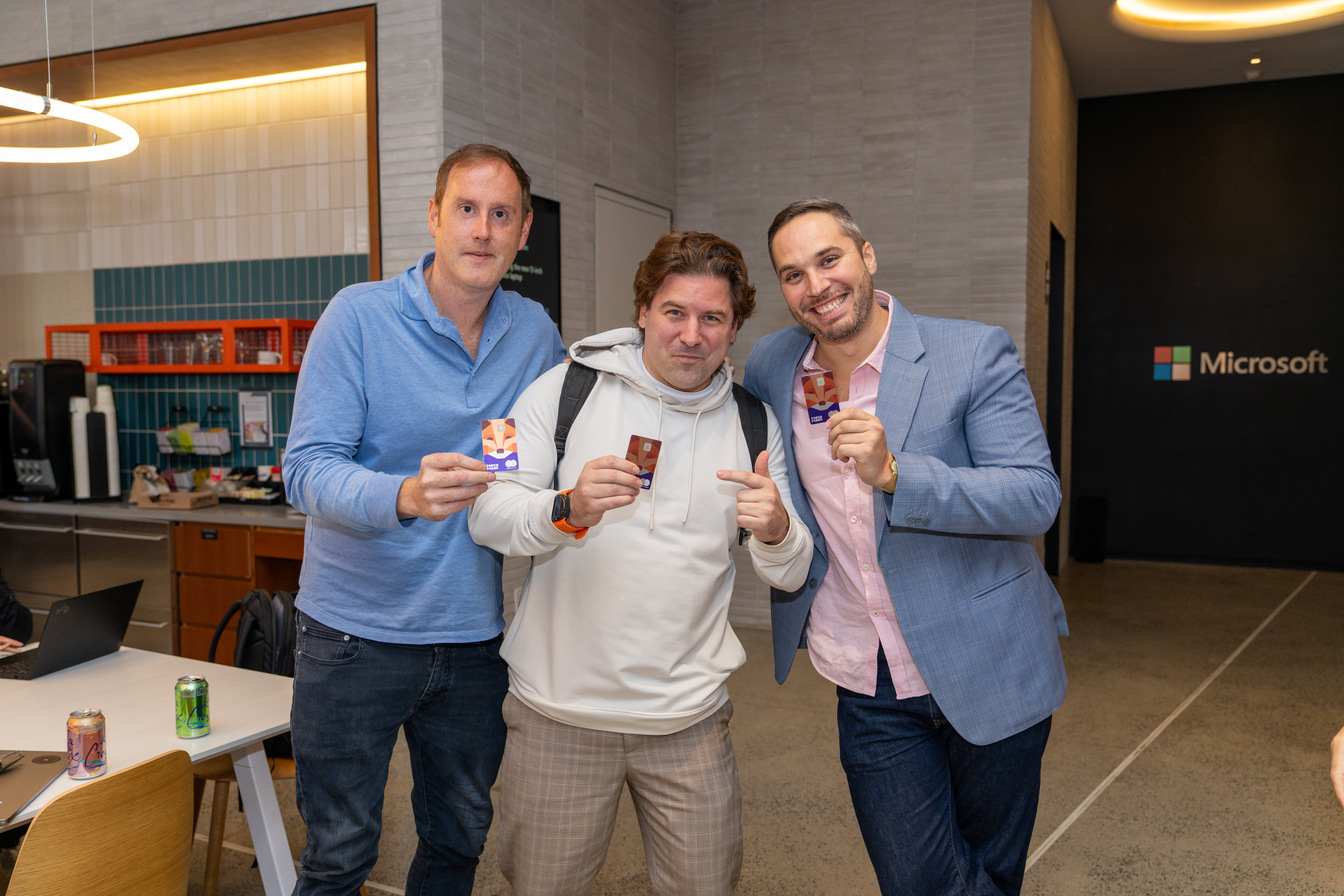
At the September Stable Gathering in New York, hosted by Stable Summit in partnership with Microsoft and the Enterprise Ethereum Alliance, TradFi and DeFi leaders gathered to discuss how blockchain is reshaping capital markets through tokenization, collateral management, and real-world assets (RWA).
The conversation, moderated by Redwan Meslem, featured Otto Nino (DTCC), Alexandra Prager (JP Morgan/Kinexys Labs), Colin Cunningham (Chainlink Labs), and Teddy Pornprinya (Plume Network). Each speaker explained how their institutions are transforming blockchain concepts into measurable business outcomes.
Institutional level tokenization
DTCC’s Otto Nino explained how the global clearing and settlement infrastructure is being modernized with programmable settlement.
The objective is clear: go from T+1 to T+0 while integrating risk control and margin management directly into the assets. This change reduces operational friction, improves capital efficiency and preserves the same regulatory discipline that markets rely on today.
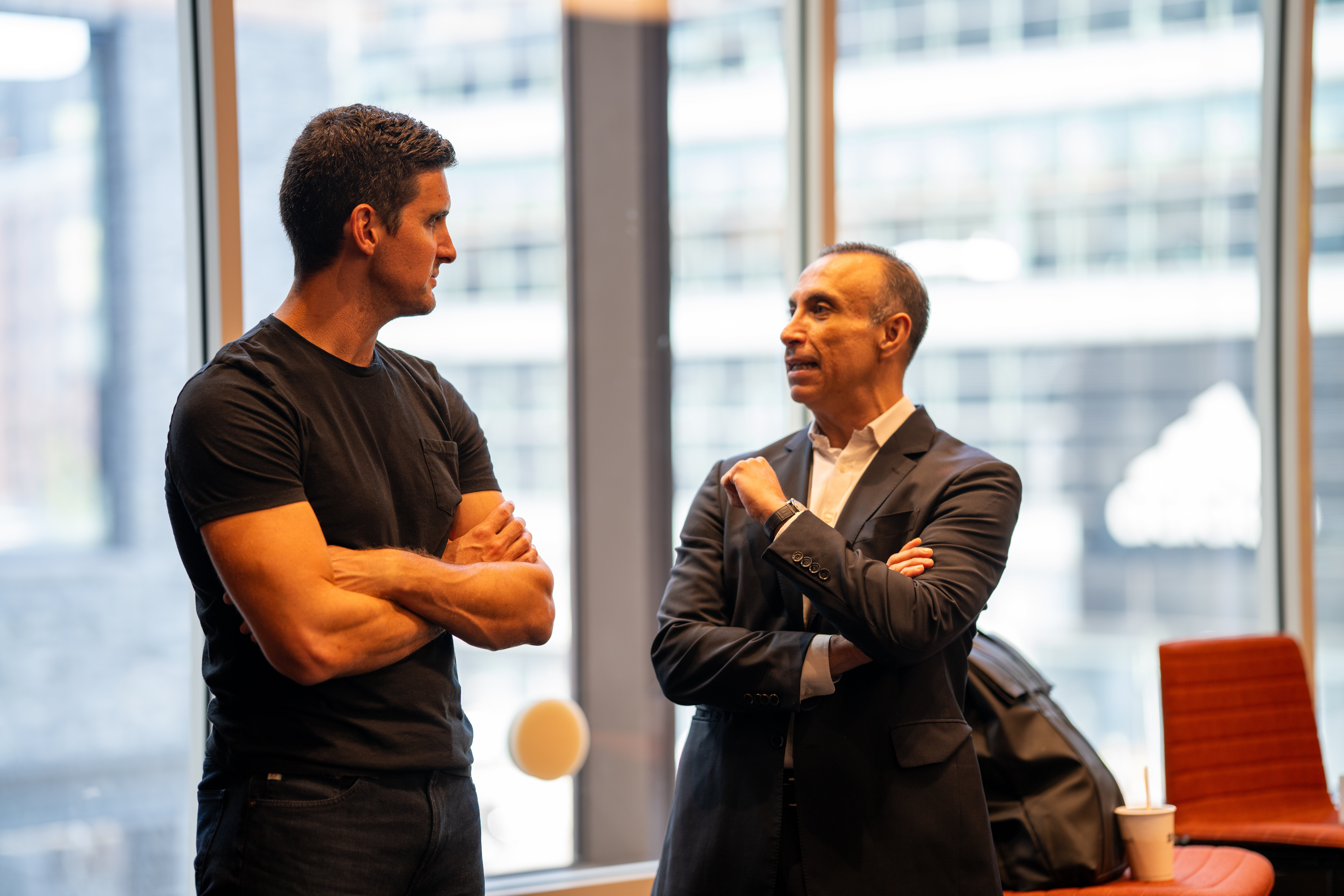
As Otto pointed out, success depends on the optionality of dual format, which allows assets to move from a traditional format to a tokenized format without violating compliance.
From pilots to production
Alexandra Prager of JP Morgan described how tokenization is moving out of proof of concept and into full production. Blockchain workflows must meet the same criteria as existing systems – speed, security and reliability – and they must be familiar to users.
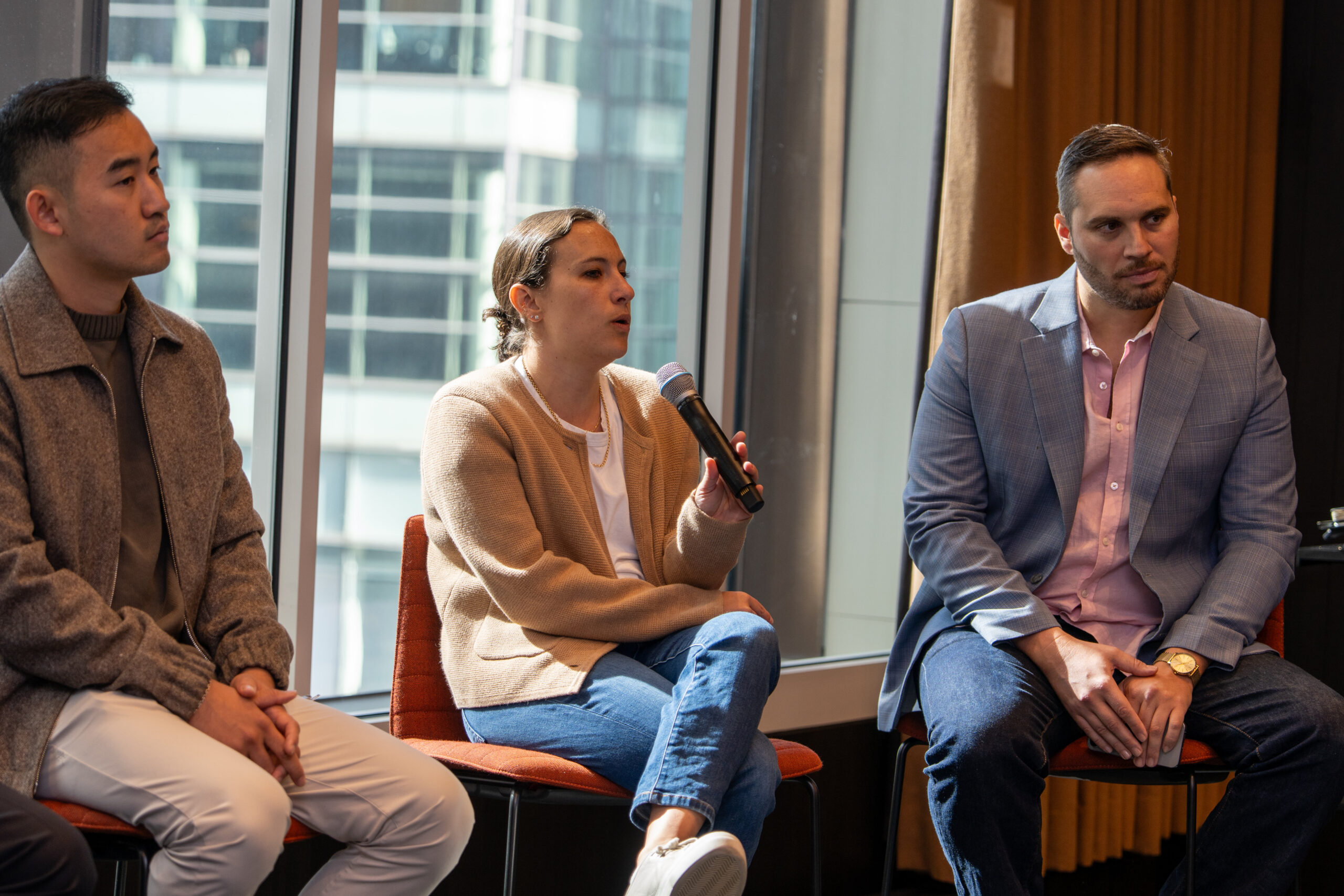
“Everyone has to do it at the same pace. Some organizations can be very forward-looking, but if half the market is still based on legacy systems, you won’t be able to make the transition.” she explained, emphasizing that true adoption depends on coordination among market players.
What she should remember: institutional adoption depends as much on human design and collective progress as on technical performance.
Infrastructure and coordination
Colin Cunningham of Chainlink Labs highlighted the growing momentum for tokenized deposits, stablecoins, and money market funds – the first real-world use cases gaining institutional traction.
He highlighted that Ethereum Layer 2s provide a natural bridge for institutional capital, combining liquidity, established standards, and compliance-ready infrastructure.
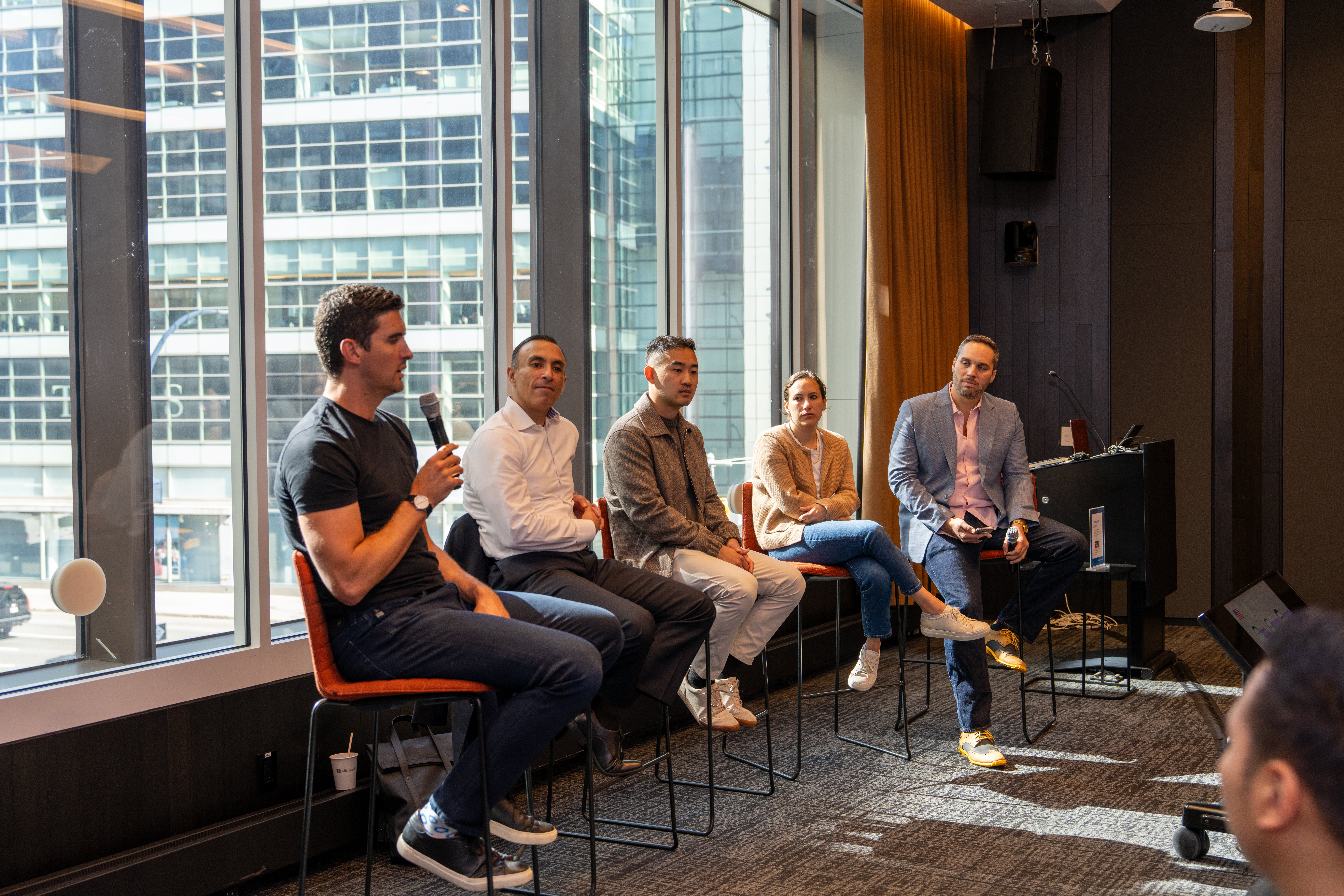
“My metric has always been net new on-chain capital. What I’m more interested in is that when new assets are issued on-chain, we have net new players with net new capital that was traditionally off-chain coming on-chain.” he shared, noting that lasting success depends on new inflows and real utility rather than temporary incentives.
Compliance and distribution
Teddy Pornprinya from Plume Network showed how compliance and distribution are converging. Plume integrates AML and KYC mechanisms directly at the protocol level, creating a secure environment for traditional participants.
“The idea that DeFi is the Wild West is completely false. You can create ecosystems where traditional players can still feel secure on open blockchains with compliance built in from day one.” he said, challenging lingering misconceptions about DeFi’s risk profile.
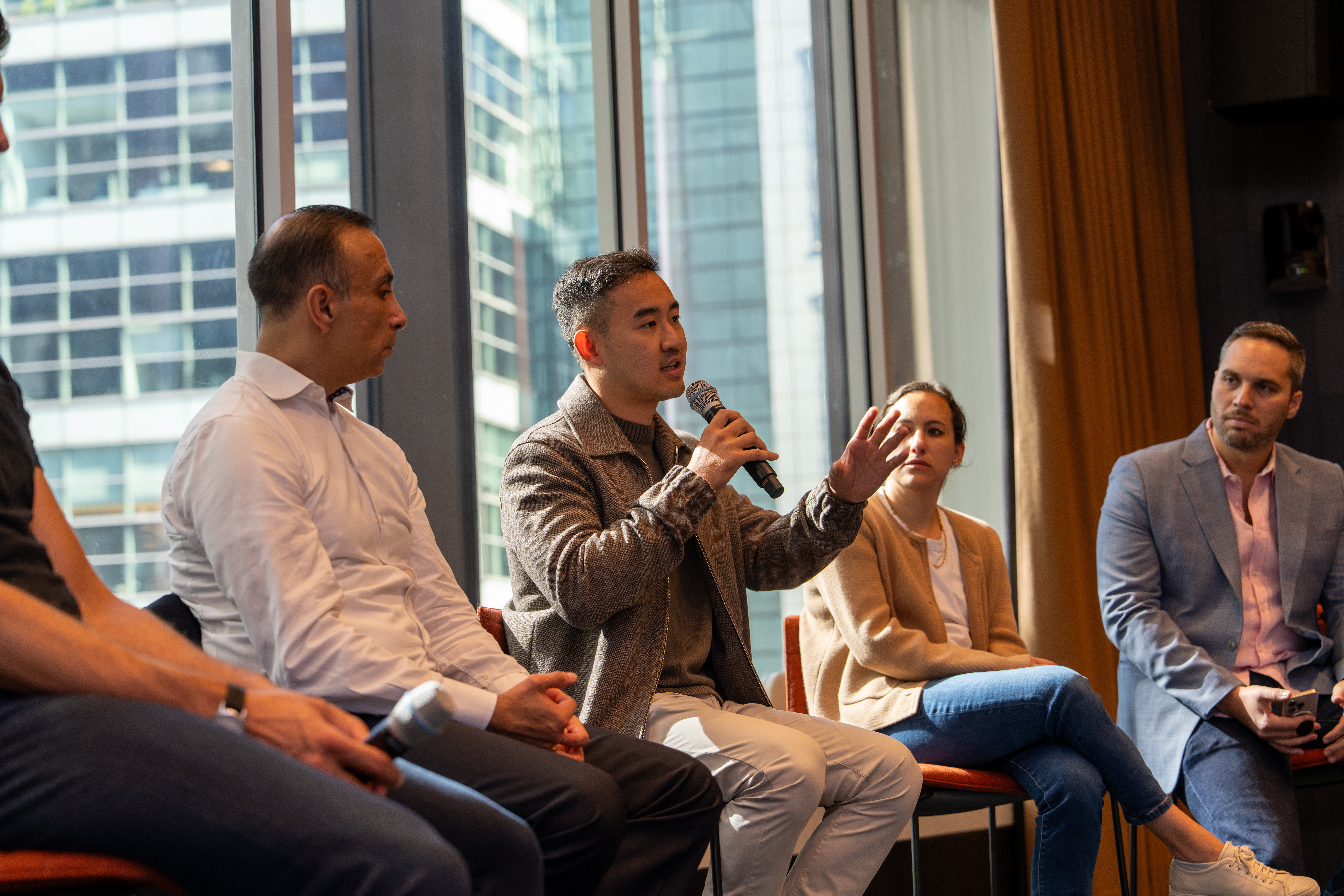
According to Teddy, adoption depends on access rather than pure speculation. Partnerships with custodians, exchanges and platforms like OKX Earn and Alibaba’s Web3 Wallet transform tokenized assets into investment products for the general public.
Outlook
Yorke Rhodes of Microsoft and AEE concluded by pointing out that AI is accelerating blockchain development cycles, pushing innovation to happen “five times faster” than before.
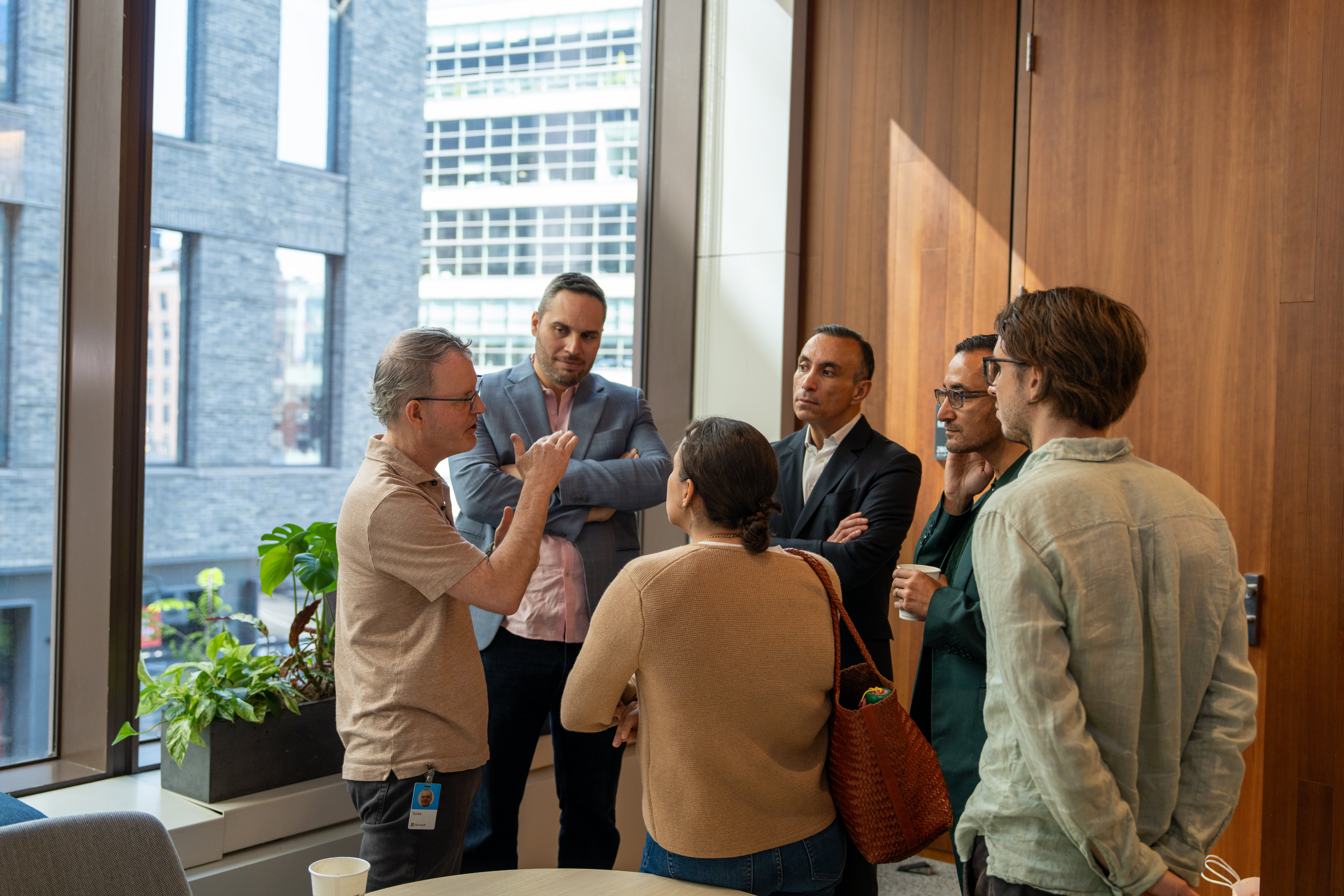
The session made one unequivocal point: Ethereum’s mature infrastructure, L2 scalability, compliance frameworks, and interoperability continue to anchor institutional-grade tokenization.
The next layer of guarantees in global finance is being built, piece by piece, on open rails.
***
To stay informed about upcoming AEE events and community discussions, follow our Luma page:


