




Ethereum has just taken two important steps: the FOCIL proposal and the Ethereum staking movement.
Developers have confirmed that FOCIL, a proposal to strengthen censorship resistance, will be included in the Hegota upgrade planned for the second half of 2026. The change targets centralized block builders by requiring validators to include certain transactions, thereby strengthening the base layer against filtering.
At the same time, the Ethereum Foundation transferred 2,016 ETH, worth approximately $6.8 million, to a new staking initiative instead of selling them. This is part of a larger plan to invest up to 70,000 ETH and fund operations through yield rather than market sales.
Together, these steps mark a desire to toughen the protocol while reducing structural sales pressure on the Foundation.
Key takeaways
- FOCIL Confirmed: Developers locked EIP-7805 for the Hegota upgrade to force transaction inclusion and break builder censorship monopolies.
- Treasury Staking Pivot: The Ethereum Foundation deployed an initial amount of 2,016 ETH ($6.8 million) to stake contracts, targeting a total of 70,000 ETH for yield generation.
- Upgrade schedule: The Censorship Resistance overhaul is planned for the second half of 2026, following the interim improvements to Pectra and Glamsterdam.
Is the era of manufacturer censorship over? And why is Ethereum staking instead of selling?
Ethereum has just addressed one of its biggest weaknesses.
Currently, most blocks are built by a small group of players who comply with sanction lists. This led to silent filtering of transactions. FOCIL changes that. With EIP 7805, a random committee of validators will create inclusion lists. Constructors must include these transactions, otherwise the block is rejected.
Vitalik supported it as a return to the original principles of Ethereum. This makes censorship more difficult, both technically and economically. But it also adds complexity, particularly for institutions that prefer predictable compliance frameworks. Ethereum L1 chooses resilience over pure speed.
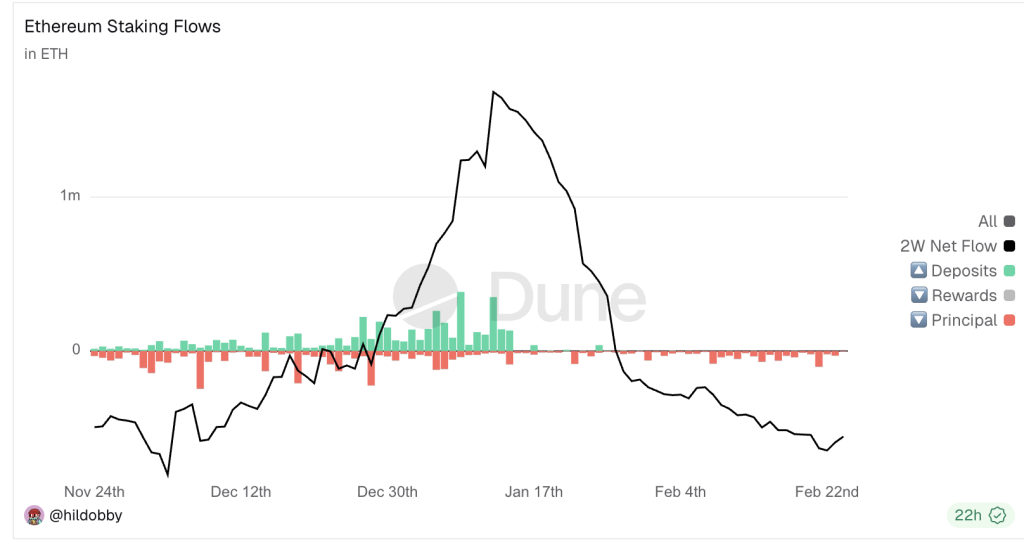
At the same time, the Ethereum Foundation made a financial shift. Instead of selling ETH to fund trades, he staked 2,016 ETH. This is the first step in a plan to stake up to 70,000 ETH and fund its budget through yield.
This reduces long-term selling pressure and signals a more disciplined cash flow approach.
Interestingly, while the Foundation preserves its capital, Vitalik personally sold ETH to fund open source work.
Discover: The best coins in the world right now.
What these changes mean for 2026
Put the pieces together and the Hegota cycle starts to look bigger than a routine upgrade.
FOCIL aims to make the inclusion of transactions a rule of the protocol, and not a favor from block builders. If it works as expected, Ethereum could stand out as the only major high-throughput chain where censorship resistance is enforced at the base layer.
This is important as global scrutiny on DeFi continues to grow.
The main risk is execution. If inclusion lists introduce delays or friction, competitors could use this as an advantage. Traders should monitor how quickly the Foundation ramps up its stakes and updates withdrawal credentials. Faster progress toward the cap would demonstrate strong internal confidence ahead of the upgrade.
Discover: The next crypto to explode
The post Ethereum Locks in FOCIL for 2026 as Foundation Moves $6.8M in ETH to Staking appeared first on Cryptonews.


