



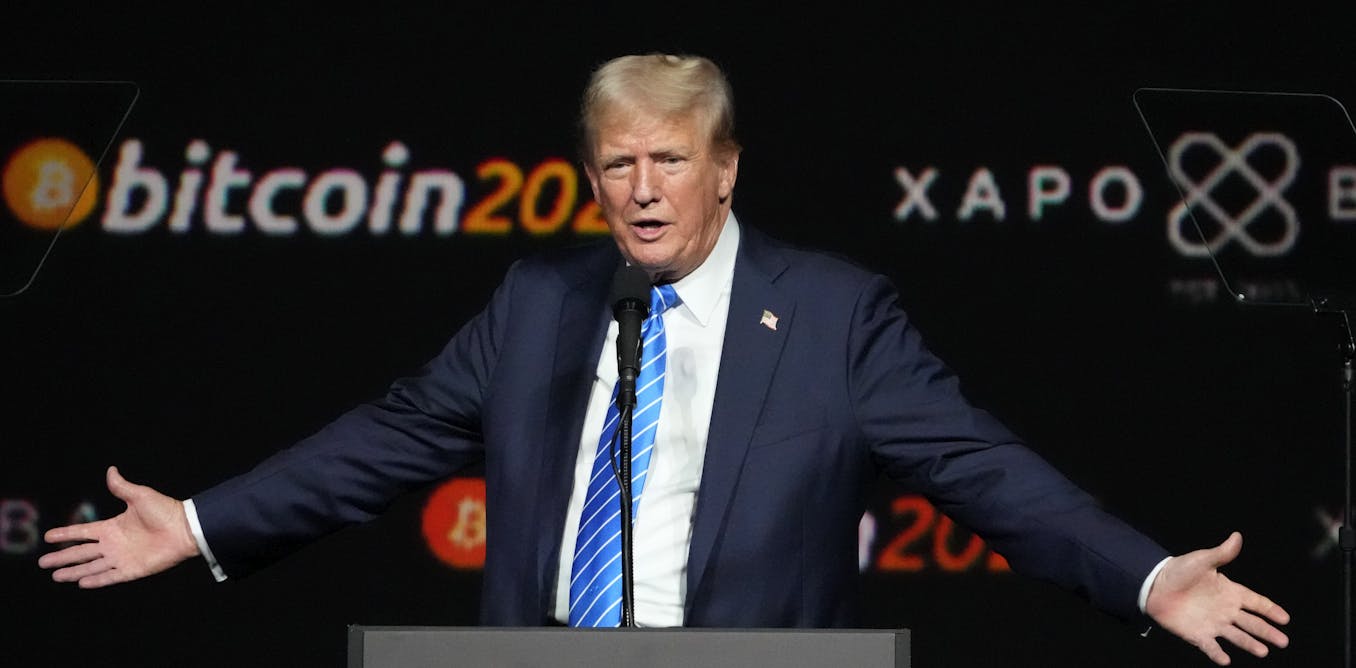
Donald Trump’s recent embrace of cryptocurrency at the Bitcoin 2024 conference in Nashville marks a significant shift from the former US president’s previous skepticism.
Once a vocal critic, Trump is now positioning himself as an advocate for digital assets, reflecting the broader convergence of politics and crypto in what is increasingly being called “PolitiFi.”
But while Trump’s change of course has garnered considerable attention, it is essential to explore how positions on cryptocurrency regulation could influence some voters in the United States as the 2024 presidential election approaches.
Biden’s evolving stance on cryptocurrencies
Historically, President Joe Biden’s administration and prominent Democrats including Sen. Elizabeth Warren have expressed concerns about cryptocurrencies, emphasizing risks to consumer protection, financial stability and the potential for money laundering.
Gary Gensler, chairman of the U.S. Securities and Exchange Commission, played a key role in this stance. He advocated treating many crypto assets as securities, subjecting them to strict regulations similar to those governing stocks and bonds.
But the growing influence of cryptocurrencies has led to a shift within the Democratic Party. The passage of the Financial Innovation and Technology for the 21st Century Act (FIT21) in May 2024—with considerable Democratic support—signals a growing recognition of the importance of digital assets. Despite the Biden administration’s initial opposition to FIT21, there is now a willingness to work with regulators to develop a balanced regulatory framework for cryptocurrencies.
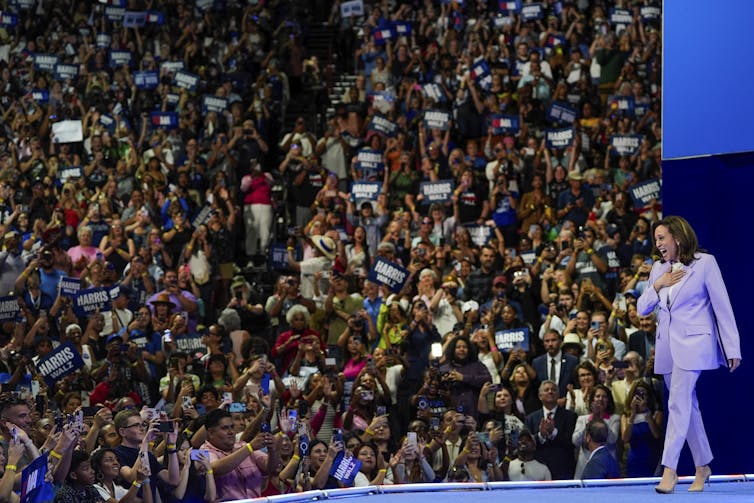
Vice President Kamala Harris, the Democratic presidential candidate, has yet to take a firm position on cryptocurrency policy. But her campaign has reached out to cryptocurrency advocates, and there is growing pressure from pro-crypto Democrats for her to take a more supportive approach.
The move is part of a broader effort to ensure Trump does not dominate the issue of cryptocurrencies, which has become increasingly important in elections because of its potential impact on campaign finance and voter engagement.

(AP Photo/Charles Krupa)
Competing Democratic Perspectives
The Democratic Party is divided on the issue of cryptocurrency regulation. While figures like Warren continue to highlight the dangers of digital assets, others in the party are advocating for a more open approach.
Congressman Brad Sherman, for example, has expressed concerns that FIT21 could create a competitor to the U.S. dollar that could be exploited by criminals. On the other hand, pro-crypto Democrats are urging Harris to recognize the potential of digital assets and engage with the sector more constructively.
This internal debate within the Democratic Party reflects the broader tension between innovation and regulation. As cryptocurrencies gain traction, the challenge for the party is to balance these competing interests while protecting consumers and the financial system. Harris’s stance on cryptocurrency regulation could determine whether wealthy industry executives contribute to her campaign and could help mobilize younger, tech-savvy voters who are increasingly engaged with digital assets.
The creation of Crypto4Harris, a group dedicated to boosting Harris’ appeal on cryptocurrency issues, underscores the topic’s importance in the upcoming election. The group’s efforts, including hosting public events with high-profile supporters like billionaire Mark Cuban, are aimed at countering Trump’s influence on the cryptocurrency issue and strengthening Harris’ ties to the digital asset community.
Harris’ running mate Tim Walz has yet to make a public statement on cryptocurrency, though his past interactions with the industry, including returning donations from FTX executives, suggest a cautious approach.
(AP Photo/Julia Nikhinson)
Trump’s transactional approach
While Trump’s embrace of cryptocurrencies has been widely publicized, it’s important to consider the context of this shift. Trump’s newfound enthusiasm for digital assets may be more transactional than ideological, as much of his political activity is motivated by opportunism.
His shift to a pro-crypto position comes as he seeks to energize his voter base and attract campaign contributions from wealthy industry leaders who are heavily invested in the crypto sector. The move highlights the intersection between cryptocurrency regulation and campaign finance, as Trump seeks to position himself to capture financial support from the digital asset community.
It’s worth noting, however, that Trump faces ongoing legal challenges and his poll numbers are down, raising questions about the sustainability of his political strategy. Still, his interest in cryptocurrencies could appeal to younger voters who are interested in digital assets.
Long-term consequences
The 2024 election is shaping up to be a pivotal moment for the future of cryptocurrency in the United States
While Trump’s embrace of digital assets has brought the issue to the forefront, broader political dynamics are at play. Biden, Harris and other key figures are all grappling with how to approach this rapidly evolving industry.
As the lines between technology and politics continue to blur, decisions made in the coming months will likely have far-reaching implications for the future of digital assets and their role in the global economy.


