



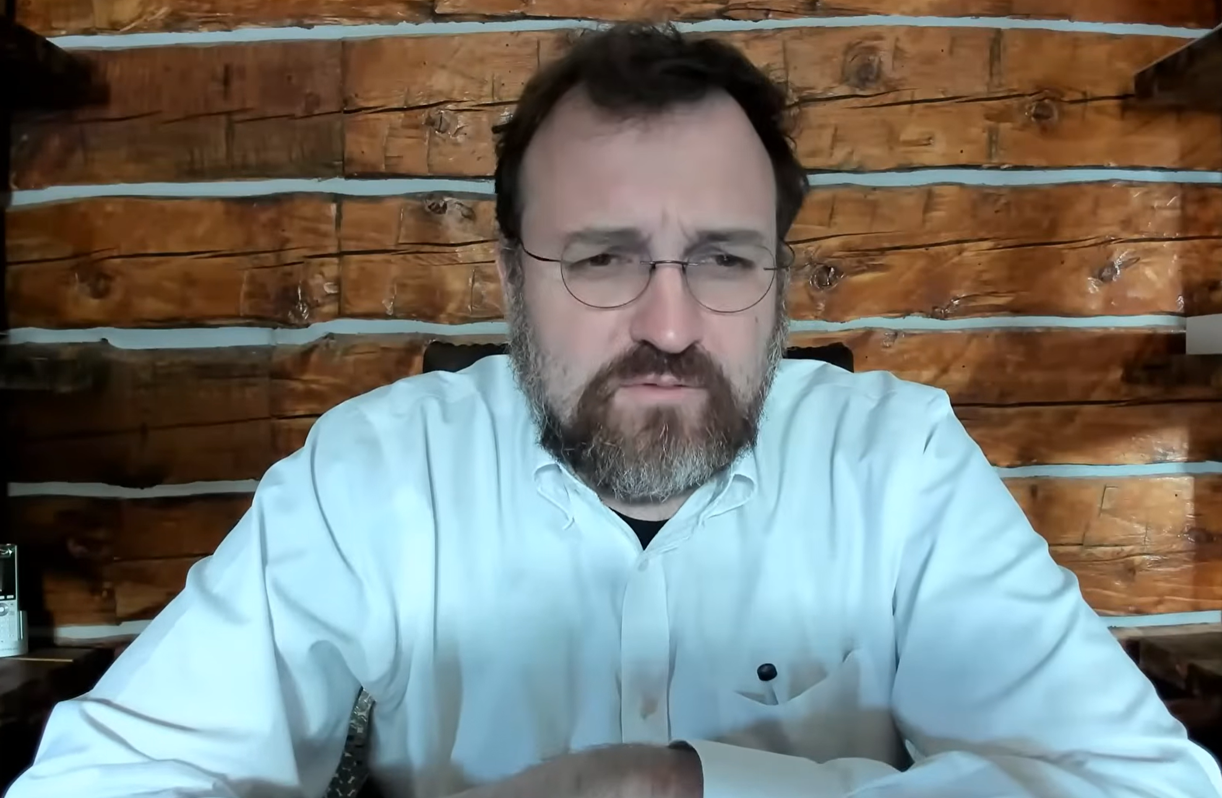

Cardano founder Charles Hoskinson took aim at Ripple CEO Brad Garlinghouse in a January 18, 2026 video, criticizing what he said was industry pressure to accept the U.S. Clarity Act on terms that would expand the Securities and Exchange Commission’s authority over new projects.
Speaking on January 18, Hoskinson used a wide-ranging monologue about market fatigue, industry morale and the mission behind Cardano and Midnight to focus on a regulatory flashpoint: a bill he described as bloated with “137 amendments” and tilted toward the SEC. According to him, the proposal would force crypto projects to “beg and plead” for relief, with “all new projects” being treated as securities by default.
Why Hoskinson blasted Ripple CEO Garlinghouse
Hoskinson argued that the result would be a strategic own goal, worse, in his view, than the political uncertainty the industry is trying to escape. “How is this better than what Scary Gary (Gensler) gave us under Biden? “” he said, referring to the SEC’s enforcement actions against the crypto industry under former US President Joe Biden, before extending the criticism to lobbying and political deal-making more broadly.
Hoskinson’s most scathing remarks came when he cited anonymous industry figures who he said were calling for compromise, then called out Garlinghouse directly. “There are still people like Brad (Garlinghouse) who say it’s not perfect but we just have to get something,” he said. “You know, it’s better than no clarity. Give it to the same people who sued us. Give it to the same people who bankrupted us, who subpoenaed us, who put us in jail. That’s better. That’s what we fought for.”
He then presented the decision as effectively irreversible once legislated, citing the long lifespan of U.S. securities law to argue that a flawed framework would calcify. “And tell me, how can we change it? Like we changed the Securities Exchange Act of 1933,” Hoskinson said. “93 years later, have we been able to change it? No. You embrace it, you own it forever. Sorry, Brad. It’s no better than chaos. Take the chaos and fight for what’s right. Fight for integrity.”
How about we focus on getting the Clarity Bill done instead of crashing into Brad for no reason, Charles? pic.twitter.com/3jDHUiEbNp
– Veterinarian (@Vet_X0) January 18, 2026
While Garlinghouse’s move was the most explicit, Hoskinson placed it within a broader narrative: the purpose of this crypto is reduced to a lobbying contest for acceptable market access rather than an attempt to rethink how value and identity are managed online.
He argued that the industry risks normalizing a world of “custodial wallet” flaws, ubiquitous KYC and reversible transactions, outcomes he associated with legacy power structures rather than the original ethos of the “revolution.”
“I did not sign up to entrust the revolution to 15 banks,” he said, describing a future where transactions can be “frozen at will.” Hoskinson linked these concerns to a broader critique of technological surveillance and what he called the loss of individual “agency,” suggesting that the industry’s incentive structure pushes executives toward comfort and access rather than confrontation.
The remarks landed amid a distinct thread of his speech: a rebuke of what he called “toxic, learned despair” in crypto discourse. Hoskinson said he stopped using
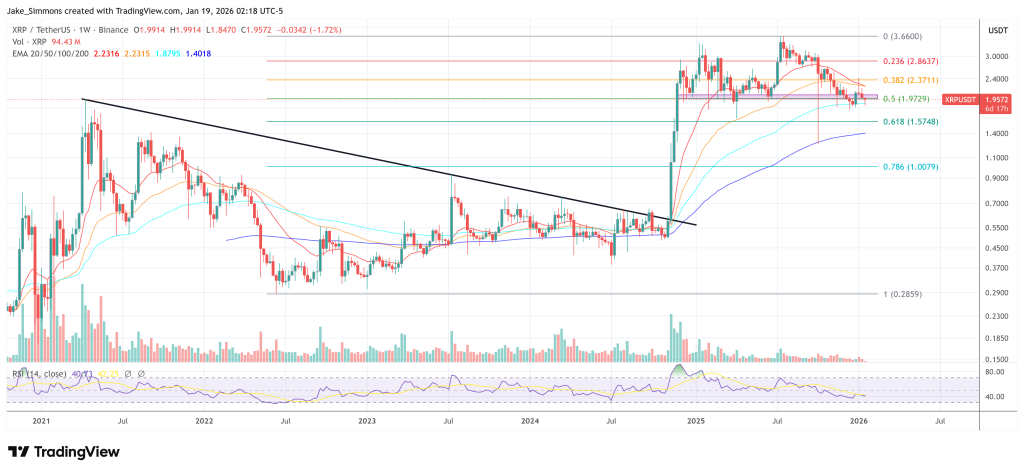
At press time, XRP was trading at $1.95.
Featured image created with DALL.E, chart from TradingView.com
Editorial process as Bitcoinist focuses on providing thoroughly researched, accurate and unbiased content. We follow strict sourcing standards and every page undergoes careful review by our team of top technology experts and seasoned editors. This process ensures the integrity, relevance and value of our content to our readers.


