




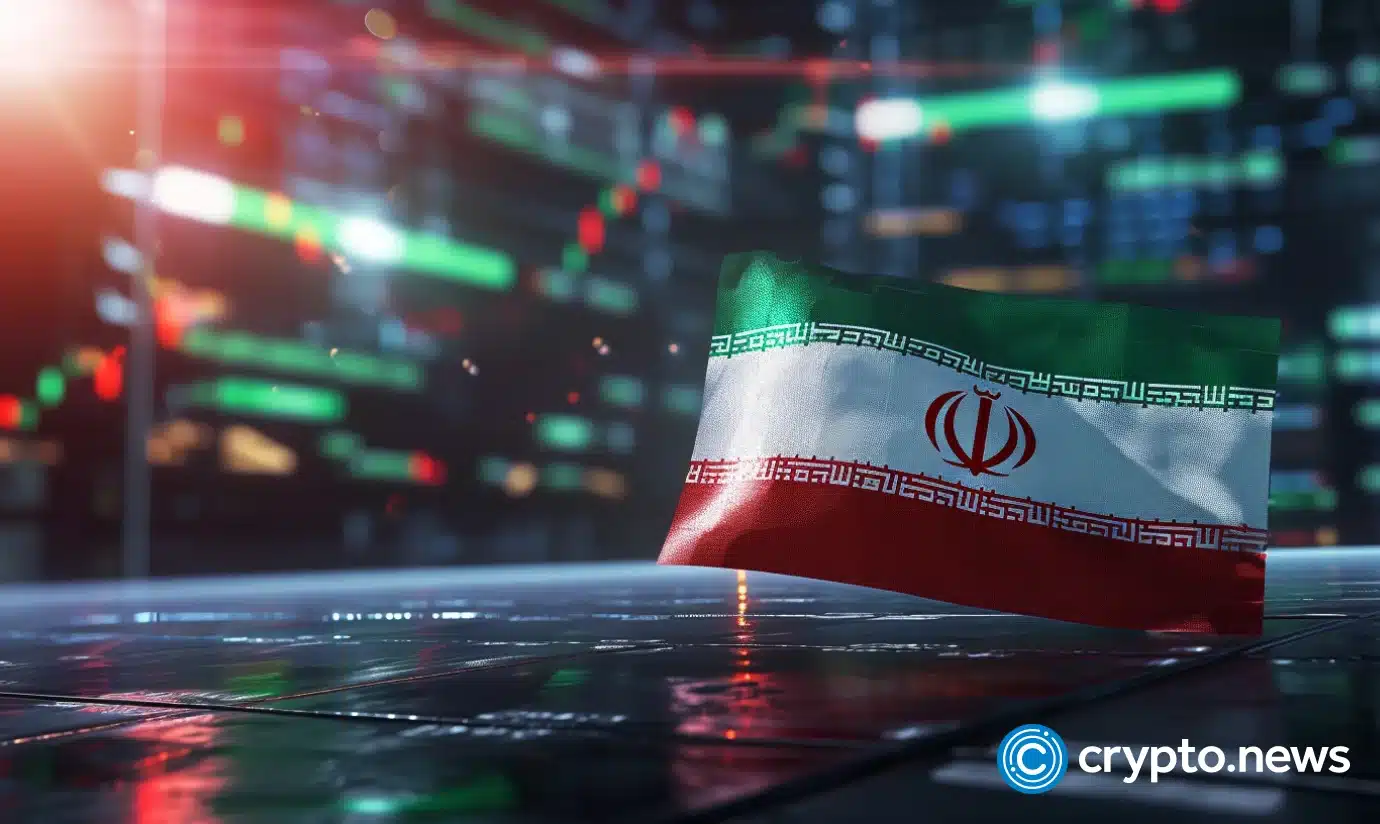
Iran’s IRGC bombs Gulf energy hubs after Israeli South Pars attack, torching Qatar’s LNG lifeline, hurting crypto markets and pushing global economy into recession.
Summary
- Iran’s IRGC struck Qatar’s Ras Laffan LNG hub and refineries in Kuwait, Saudi Arabia and the United Arab Emirates, causing major production shutdowns and stoking supply fears.
- Brent crude tops $110 and European gas jumps more than 25%, as markets price in lasting damage to Gulf energy capacity and a growing risk of a global recession.
- Trump moves from threatening to “blow up” South Pars to calling for de-escalation as Persian Gulf energy infrastructure becomes a primary war target.
The war in the Middle East sharply intensified on Thursday when Iran’s Islamic Revolutionary Guard Corps (IRGC) launched waves of retaliatory strikes on energy facilities across the Persian Gulf, torching Qatar’s liquefied natural gas terminals and targeting oil refineries in Kuwait, Saudi Arabia and the United Arab Emirates – sending global energy prices soaring and pushing the region to the brink of economic catastrophe wider.
The attacks came in direct retaliation for Israeli airstrikes on Iran’s South Pars gas field – the world’s largest natural gas complex, jointly managed with Qatar – which Israel struck on Wednesday with US support. The South Pars strike marked a qualitative shift in the conflict, now in its third week, as both sides explicitly began targeting each other’s critical energy infrastructure for the first time.
The consequences were immediate and global. Brent crude surged above $110 a barrel in Thursday trading – up more than 50% since the war began on Feb. 28, when it traded near $70 – briefly touching $116 before partially retreating. European benchmark TTF natural gas prices jumped 28-30%, having already doubled over the past month.
The most strategically significant strike hit the Ras Laffan terminal in Qatar, the world’s main LNG export hub, which normally supplies around 20% of global LNG consumption. Qatari authorities confirmed that the attack had caused “significant damage”, forcing QatarEnergy to suspend production – a move which, if continued beyond two months, would, according to energy analysis firm Wood Mackenzie, have “a fundamental change in the outlook for the global gas market”. Global LNG supply has already contracted by almost 20% since QatarEnergy halted operations earlier this month.
Iran also struck Kuwait’s Mina Al-Ahmadi refinery – one of the largest in the Middle East – via drone, with the Kuwait Petroleum Corporation confirming a “limited” fire at the facility. A drone hit a Saudi Aramco refinery in Yanbu, a joint venture with ExxonMobil on the Red Sea, whose damage is still being assessed. In a new escalation, Iran has completely cut off its gas exports to Iraq, raising fears of a cascading regional energy crisis.
Tehran has explicitly threatened to strike other Gulf facilities, naming Saudi Arabia’s Jubail petrochemical complex, the United Arab Emirates’ Al Hosn gas field and Qatar’s Mesaieed complex as “direct and legitimate targets.” The IRGC has warned civilians in neighboring Gulf states to evacuate areas around oil and gas installations.
JPMorgan responded by lowering its year-end target for the S&P 500 from 7,500 to 7,200 points, warning that oil price increases of more than 30% historically precede demand contractions and recession. Global stock markets fell, with European stocks falling on rising energy costs.
US President Trump, who had threatened to “massively explode” South Pars if Iranian attacks on Qatar continued, changed his tune on Thursday, calling for a de-escalation of strikes against energy installations. The war, which shows no signs of abating, now places the Persian Gulf’s energy infrastructure – which supplies a substantial share of the world’s oil and gas – directly in the crosshairs.
Crypto markets collapsed alongside the energy spike, with Bitcoin falling back below $70,000 after trading above $73,000 earlier in the week, while Ethereum fell towards the low $2,200 mark and the broader crypto market value retreated from the roughly $2.5 trillion zone as traders unwound their leverage and have turned to cash and short-duration TradFi safe havens.


