



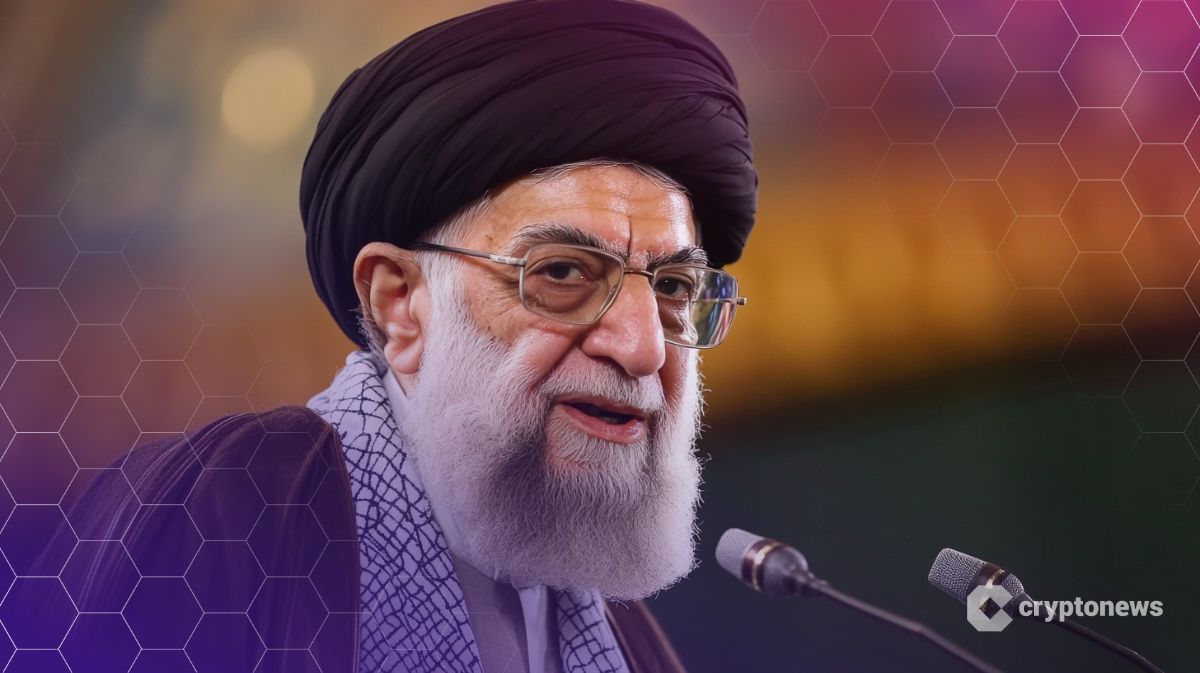
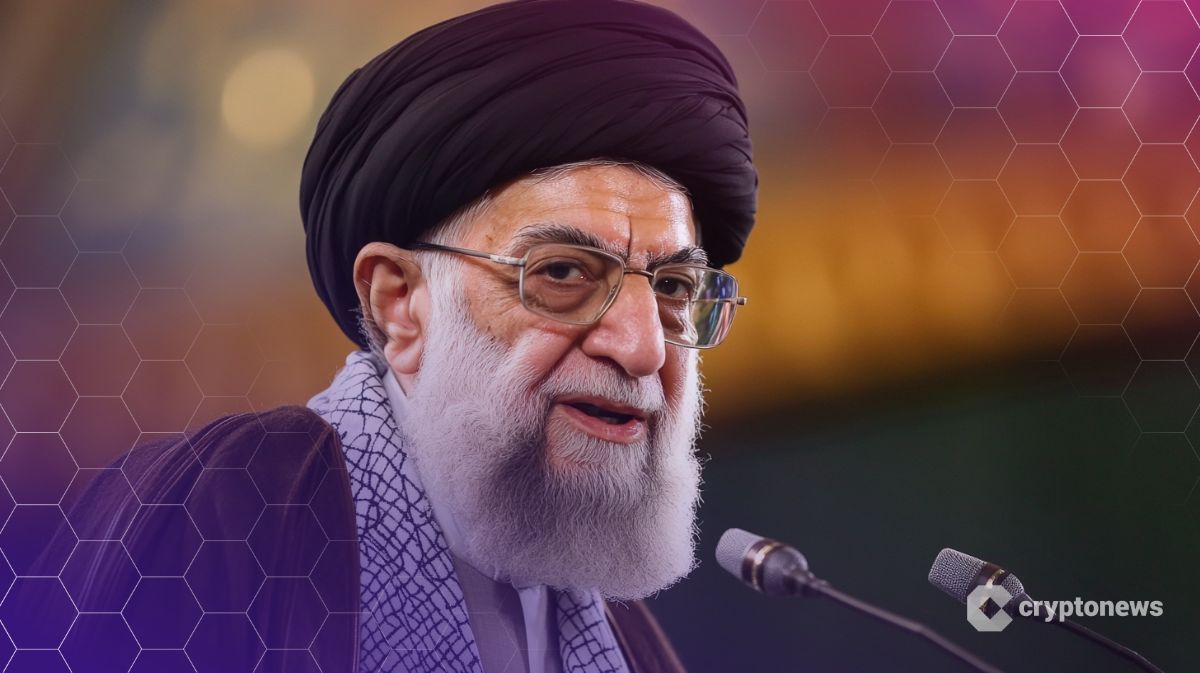
Prediction markets platform Kalshi is facing a class action lawsuit over the resolution of a market linked to the leadership of Iran’s Supreme Leader Ayatollah Ali Khamenei.
Key points to remember:
- Kalshi faces a class action lawsuit over the manner in which he resolved a prediction market regarding Iran’s Supreme Leader, Ayatollah Ali Khamenei.
- The plaintiffs claim the platform denied payments in full by applying a “death exclusion” rule after Khamenei’s reported death.
- Kalshi says the rule was designed to prevent traders from profiting directly from a person’s death.
The lawsuit, filed in the U.S. District Court for the Central District of California, accuses the company of misleading traders in a marketplace titled “Ali Khamenei as Supreme Leader?”
The plaintiffs say the platform created expectations that contracts calling for Khamenei’s dismissal by March 1 would be paid out at full value if the outcome occurred.
Kalshi traders dispute payment after ‘death exclusion’ rule enforced
According to the complaint, Khamenei’s death was reported by several media outlets on February 28.
Traders holding contracts predicting he would leave office the next day expected their “yes” stocks to resolve at $1 each, the standard payout for a correct prediction on the platform.
Instead, Kalshi applied a rule known as the “death exclusion provision.”
The clause states that if the leader leaves office solely due to death, the market outcome will be resolved based on the final negotiated price rather than paying the full value of the winning contracts.
The plaintiffs argue that the move deprived merchants of payments they thought they earned.
“Plaintiffs and proposed class members, who correctly predicted the outcome, did not receive the amounts they were promised,” the lawsuit states.
The complaint alleges that merchants received amounts that were “arbitrary” and significantly below the expected value of the contract.
Two named plaintiffs allegedly held market positions worth approximately $259.84. Overall business activity at the event exceeded a volume of $54 million.
The legal filing further argues that the rule used to determine payment was not adequately disclosed to users when they entered their transactions.
According to the plaintiffs, the death clause only appeared in technical market rules that many traders may not have noticed before betting.
Public criticism intensified on social media following the deal’s resolution. In response, Tarek Mansour, CEO of Kalshi, addressed the issue in an article on X, explaining that the platform avoids markets that allow traders to profit directly from the death of a person.
“We do not list markets directly related to death,” Mansour wrote. “When the potential consequences involve death, we design rules to prevent people from profiting from death. »
He acknowledged that the company could improve the way rules are displayed on marketplace pages. Mansour said the situation highlights the need for clearer user experience design to ensure merchants better understand contract terms before participating.
Kalshi says traders didn’t lose money after market disputes
Kalshi also reimbursed all trading fees and net losses associated with the market. According to the company, no merchant ultimately lost money as a result of the resolution.
Despite the refunds, the plaintiffs are seeking compensatory damages representing the full value of the expected payments, as well as punitive damages intended to deter similar behavior in the future.
Mansour said the company followed its established rules and stressed that Kalshi did not generate any profit in the market.
The lawsuit comes as prediction markets attract greater attention. Kalshi recently secured funding worth $11 billion, reflecting the rapid growth of the sector and increased business activity in the events markets.
The post Kalshi Faces Class Action Lawsuit Over Khamenei Prediction Market Payment appeared first on Cryptonews.


