



Brief
- Privacy coins including Zcash, Dash and Monero fell during the crypto market rout.
- ZCash and Dash trade as “speculative narratives, not utility tools,” causing them to fall like high-beta altcoins, Decrypt was told.
- Experts say technological advancements, political pressures such as EU “cat control,” and true risk-based demand have driven the privacy coin narrative.
Major privacy coins have slumped, losing recent gains as they come alongside a broader crypto market slowdown.
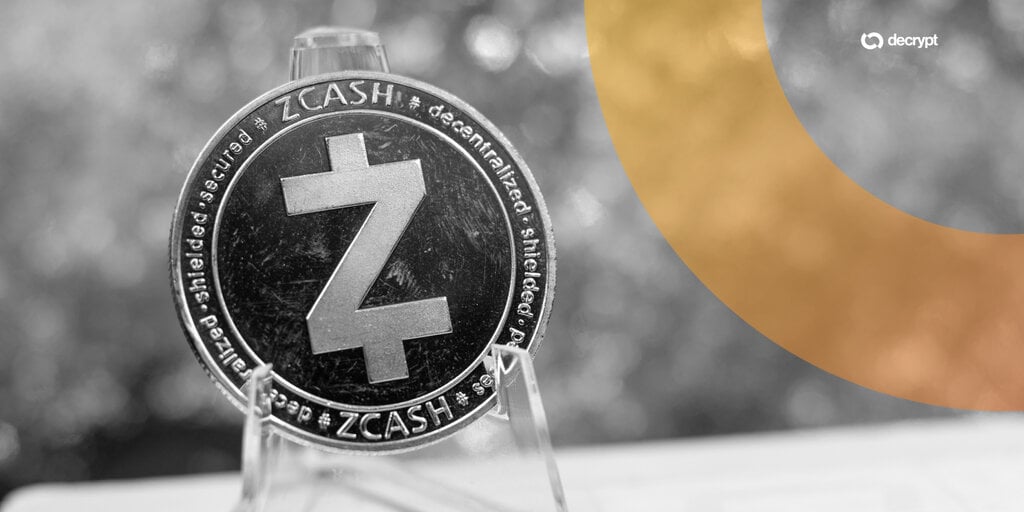
According to CoinGecko data, ZCash is down 8.5% over the past 24 hours, while Monero is down 5.4% and Dash is down 3.9%, while the privacy coin sector as a whole is down 15.4%. These declines mark a sharp reversal for a sector that saw explosive, market-defying rebounds throughout the fourth quarter.
The parallel decline with major assets like Bitcoin reflects a significant change in how these tokens are traded, according to analysts.
The narrative of privacy coins as a safe haven “shattered in December as the market factored in reality,” said Slava Demchuk, CEO of AMLBot. Decrypt. He noted that for coins like ZCash and Dash, most on-chain volume remains transparent. “They trade as speculative narratives, not utility tools, causing them to fall like standard high-beta altcoins.”
This new dynamic means privacy assets are now governed by the same macroeconomic forces as the rest of crypto, said Jamie Elkaleh, chief marketing officer of Bitget Wallet. Decrypt.
“With the introduction of ETFs and significant capital inflows, ETF positioning and monetary policy expectations are increasingly dictating the direction of the crypto market,” Elkaleh noted. “Privacy assets behave less like isolated hedges and more like high-beta components of a broader ecosystem. »
What Makes Privacy Coins Work?
Despite the current setback, the key drivers of privacy technology remain strong. Historically, recoveries have been fueled by the confluence of three factors, Demchuk explained.
The first factor is technological advancement in cryptographic privacy. The second is political and regulatory pressure, such as the EU’s controversial proposal on “chat control” and banning anonymous accounts, a dynamic that drove demand for coins like ZCash as recently as October. The third is real demand from users and businesses in jurisdictions where transparent registries pose real risks, according to AMLBot CEO.
The governance of the projects themselves can also become a source of pressure and debate.
Recently, Ethereum Co-founder Vitalik Buterin has spoken out about Zcash’s committee-based governance, warning that a move to token voting could compromise its privacy guarantees, highlighting the ongoing tension between decentralization and security in the sector.
“The more pressure you put on it, the more valuable the tools that give people their privacy back tend to become,” Demchuk said.
Today, however, they are trading more as a speculative extension of the Bitcoin cycle, he added.
Looking Ahead: A Bitcoin-Related Recovery
The path to privacy coin recovery is now inextricably linked to the broader market. Both experts agree that a rebound depends on the stability of Bitcoin.
“If Bitcoin stabilizes at a higher level and risk appetite returns,” Demchuk said, these coins can “recover recent losses. Historically, they move stronger than Bitcoin.”
Elkaleh echoed this perspective, noting that “cash tends to flow from Bitcoin to higher beta sectors once risk appetite returns.”
Privacy coins have historically outperformed during market rotations, particularly when sentiment shifts from defensive to exploratory, the Bitget Wallet official added.
Daily debriefing Newsletter
Start each day with the biggest news stories of the day, plus original features, a podcast, videos and more.


