



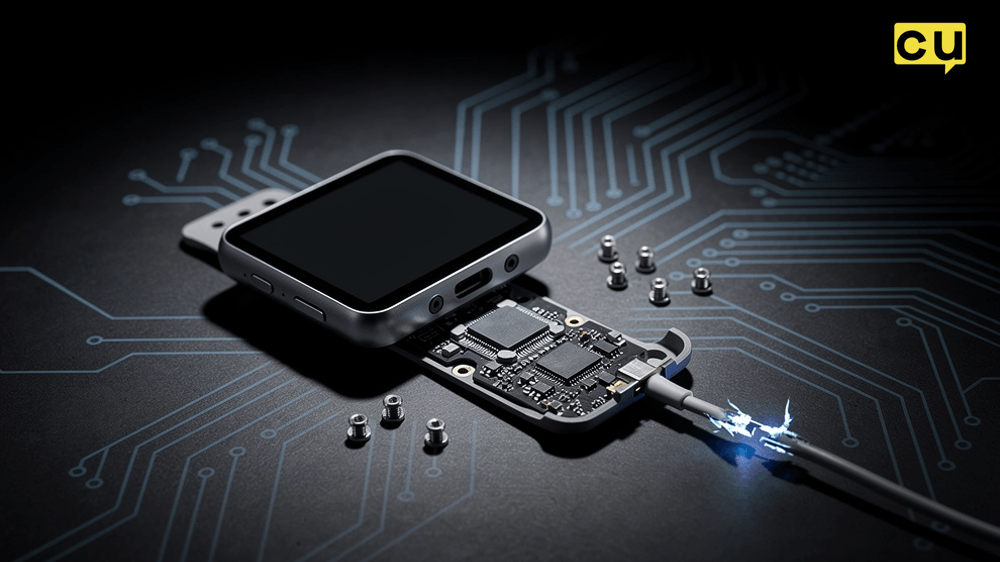

Material costs prove too high for Health-Tech DePIN project
Pulse, a company that attempted to build a decentralized network of wearable health devices, has officially shuttered its independent operations. The team announced that it was switching users to its manufacturing partner’s app, ending its vision of rewarding people who share health data.
This is a sobering moment for everyone watching the DePIN space. The company pointed to what it calls “unforgiving” capital requirements in hardware manufacturing as the main reason for its closure. It turns out that building physical devices costs real money, much more than launching another software token.
The DePIN funding problem
DePIN stands for Decentralized Physical Infrastructure Networks. The basic idea is to use crypto incentives to get people to build and maintain real hardware. Think WiFi hotspots, sensors, or in the case of Pulse, health wearables.
But here’s the thing: software protocols can scale at relatively low cost. You write code, you deploy it, and that’s basically it. The material is different. You have to design it, test prototypes, manufacture at scale, ship the products worldwide, handle returns, and provide customer support. Capital expenditures – what companies call CapEx – are enormous.
Pulse’s experience suggests that there is a funding gap in the DePIN world. Venture capital currently seems more interested in liquid tokens and AI projects. Hardware companies need patient money, not quick stunts.
A late pivot that could not save the company
The Pulse team mentioned trying to pivot to artificial intelligence to capture the market wave of 2026. I think a lot of companies are doing that: they’re looking at AI as the next big thing and trying to change direction.
But it may be too late to change direction when you’re already struggling with hardware costs. The complexity of integrating AI into a failing hardware company proved too complex. It’s like trying to repair a sinking ship by adding more features instead of fixing the holes first.
This question of timing is important. In the current crypto cycle, projects that have not gained enough runway in the 2024-2025 period are running into what some are calling a “liquidity wall.” Money is tight and without a sustainable business model beyond token speculation, businesses are running out of options.
What happens to existing users
If you have a Pulse laptop, you have until May 14, 2026 to migrate your data to the JStylePro application. This is their original equipment manufacturer partner. Without this transition, devices essentially become e-waste.
It’s a handy reminder that when Web3 projects fail, there are real consequences. People bought physical hardware expecting it to work, and now they must take steps to keep it functional.
Looking at the bigger picture, Pulse appears to be part of a crypto model. Companies raise money during hype cycles, build something ambitious, but struggle to create a business that isn’t entirely dependent on rising token prices. When the market changes or funding dries up, the hardware becomes unsustainable.
Perhaps the lesson here is that some ideas require more traditional business planning alongside Web3 innovation. Hardware costs money – real, substantial money – and crypto incentives alone might not cover those bills. The DePIN space may need to find new funding models or focus on areas where hardware costs are lower.
For now, the shutdown of Pulse shows how difficult it is to bridge the physical and digital worlds in Web3. The vision of decentralized health data networks remains compelling, but the path to get there appears more difficult than expected.


