



Brief
- The No Action Letter allows DTCC to create and engrave tokenized rights on approved blockchains without triggering certain clearing agency or system compliance rules.
- Participants can transfer eligible securities, including Russell 1000 stocks, Treasuries, and major index ETFs, to blockchain-based wallets under a permissioned structure.
- DTCC must file detailed quarterly reports on usage, technology choices, and any instances requiring cancellation of transactions as part of the pilot’s monitoring conditions.
The SEC has given the clearinghouse that handles nearly all U.S. stock trading permission to test a three-year pilot project that records certain securities on certain blockchains, marking the first time the U.S. market backbone has been allowed to run a blockchain-based recordkeeping system.
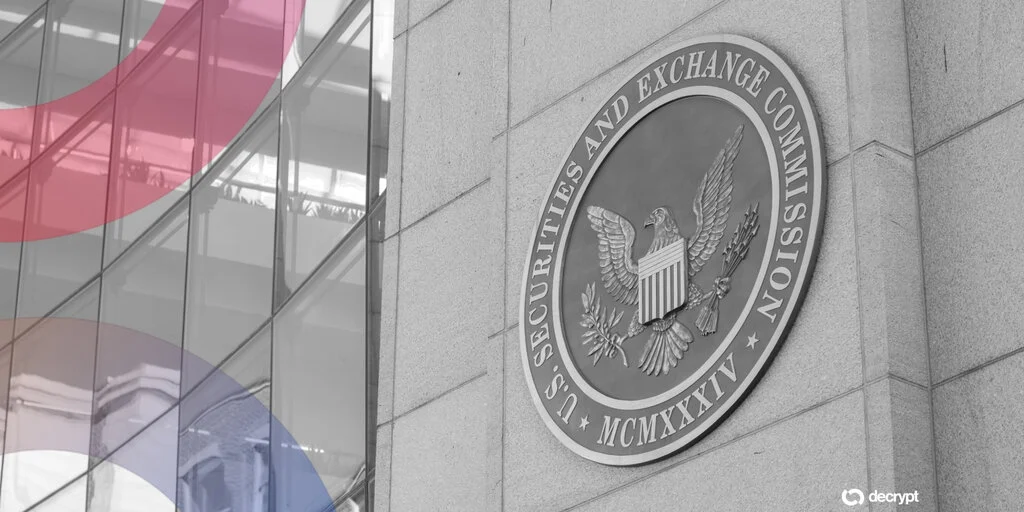
In a non-action Letter released Thursday, the SEC said it would not pursue enforcement if the Depository Trust Company, DTCC’s clearing subsidiary, mints and burns blockchain-based tokens that represent security rights already held in its custody.
In other words, the SEC will allow the clearinghouse to create and withdraw blockchain tokens that reflect the securities it already holds through the pilot, starting in the second half of next year.
The relief removes several requirements that would generally apply, including a key SEC rule governing the reliability and security of core market infrastructure, 19b-4 filings, and specific clearing agency standards.
“By leveraging blockchain, DTCC aims to connect TradFi and DeFi, thereby advancing a more resilient, inclusive and efficient global financial system,” DTCC said in a statement on X.
Under the program, DTCC participants can choose to convert their account registration rights into blockchain-based “tokenized rights.”
The DTCC must report quarterly on the number of participants, the value of tokenized rights, blockchains used or discarded, information on outages, the number of wallets registered and all cases in which the company exercised its cancellation power.
Securities eligible for the pilot include components of the Russell 1000, U.S. Treasuries and major index ETFs.
How it works
When a participant requests tokenization, DTCC debits the securities from its centralized ledger and credits them to a new digital omnibus account. It then creates a corresponding token in a registered blockchain wallet controlled by the participant.
The tokenization service could reduce reconciliation requirements and enable transfers of rights outside of normal market hours, while maintaining the safeguards required for the country’s securities plumbing, he said.
Tokens can reside on approved public or private blockchains, provided the networks meet DTCC technology standards.
Although registers can be opened, the system operates within an authorized framework. Tokens can only move between wallets “registered” with DTCC, and the company maintains a “root wallet” that allows it to reverse or correct transactions in the event of an error or misconduct.
DTCC said it will later publish a list of supported networks, indicating that the regulatory environment applies to DTCC’s custody and control processes rather than prescribing a specific type of blockchain architecture.
DTCC representatives did not immediately respond to a request for comment on this point.
Daily debriefing Newsletter
Start each day with the biggest news stories of the day, plus original features, a podcast, videos and more.


