




The UK has enacted the Property (Digital Assets etc.) Act 2025, officially recognizing crypto assets as a new category of property.
The legislation introduces a third type of personal property: digital assets, a class that includes cryptocurrencies, NFTs and other tokenized digital objects.
The law clarifies that digital objects can benefit from property rights even if they do not fall into traditional legal categories such as “things in possession” or “things in action”.
This gives courts a clear framework for handling disputes involving crypto assets, which was previously determined solely by individual cases.
The Act came into force on December 2 and applies to England, Wales and Northern Ireland, with the aim of modernizing property law for the digital economy.
Industry association CryptoUK called the law an “important step” that builds user confidence and strengthens the legal basis for digital assets in the country.
Its experts added that the UK had a real opportunity to set a global benchmark for the regulation of cryptocurrencies and stablecoins, but warned that policymakers would need deeper engagement with industry players to achieve this.
Key Impacts of Digital Asset Ownership Class
- litigation becomes easier in cases of fraud, loss of access and ownership disputes;
- crypto assets benefit from a clear legal basis for inheritance procedures;
- exchanges, depositories and institutions benefit from stronger legal support;
- the UK is positioning itself competitively against a backdrop of accelerating regulation in the US and EU.
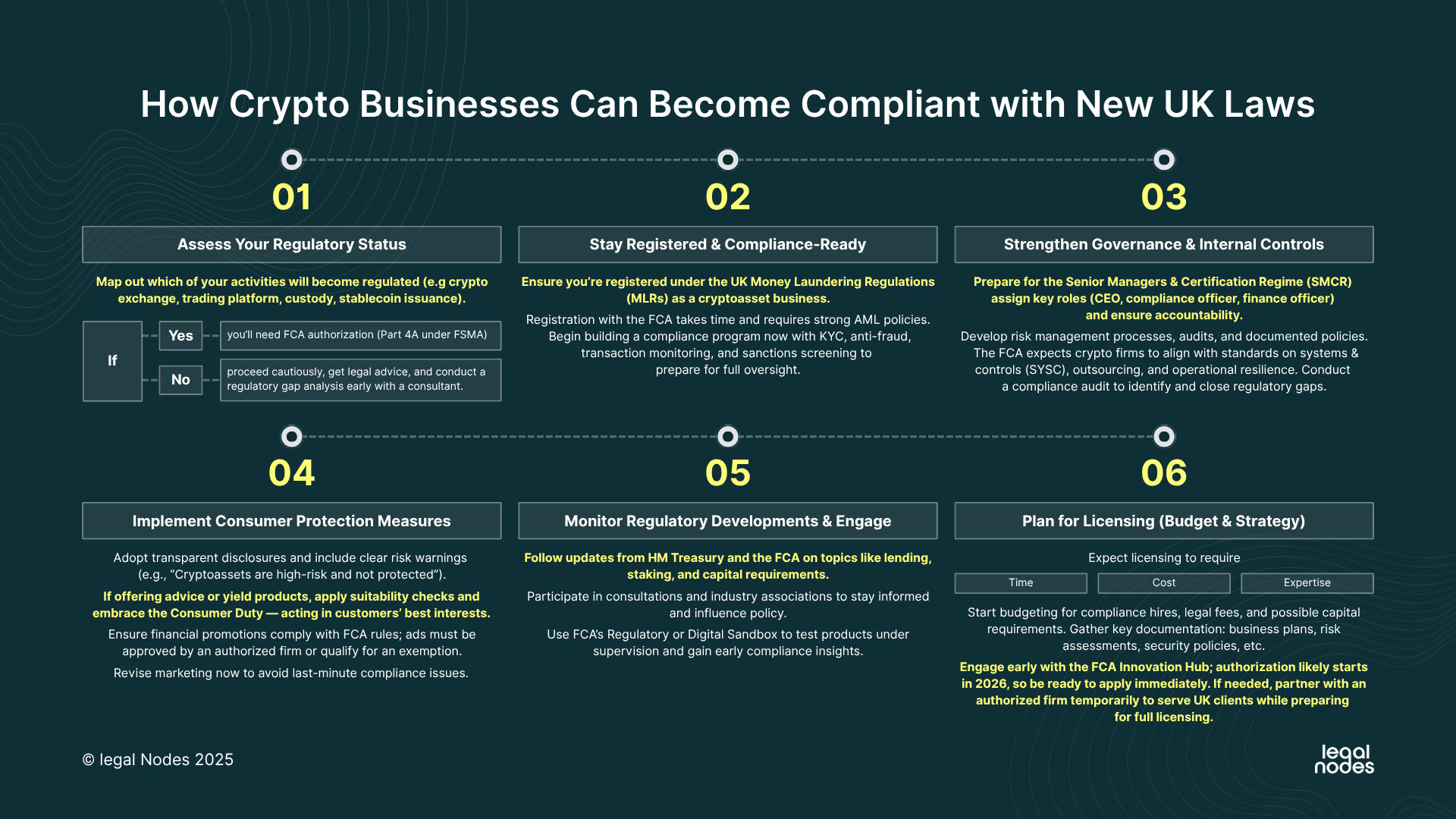
The new law is part of a wider transformation of the UK’s digital assets strategy.
In September, the Financial Conduct Authority (FCA) said it would grant crypto companies certain exemptions from traditional financial rules, recognizing that existing frameworks do not fully accommodate digital assets. At the same time, the regulator plans to strengthen cyber resilience standards following the high-profile Bybit incident.

Later, the United Kingdom and the United States announced the creation of a joint working group on the regulation of digital assets, which is expected to publish recommendations by March 2026.
In October, the government introduced the role of Digital Markets Champion, tasked with advancing the integration of blockchain into financial infrastructure, tokenizing government bonds and modernizing wholesale markets.
In November, the Bank of England revealed that the next stable rules could include holding limits: £20,000 for individuals and £10 million for businesses, signaling a more structured approach to monitoring digital assets.


