




Cryptocurrencies are increasingly integrated into modern financial reality and, like any other asset, they are subject to taxes.
As a relatively new and rapidly growing asset class, cryptocurrencies are attracting increasing interest from investors and governments. As the global economy adapts to this digital innovation, countries are taking different approaches to cryptocurrency regulation and taxation. How do cryptocurrency tax policies work around the world?
Which countries require you to pay taxes on cryptocurrencies?
In the United States, it is simply impossible not to pay taxes: the authorities are very strict about this and tax almost everything, including digital assets.
Crypto is treated as property, not currency. This means that taxpayers must pay capital gains taxes when selling cryptocurrencies. The profit is subject to short-term or long-term capital gains tax rates depending on how long the asset has been held (less than a year or more).
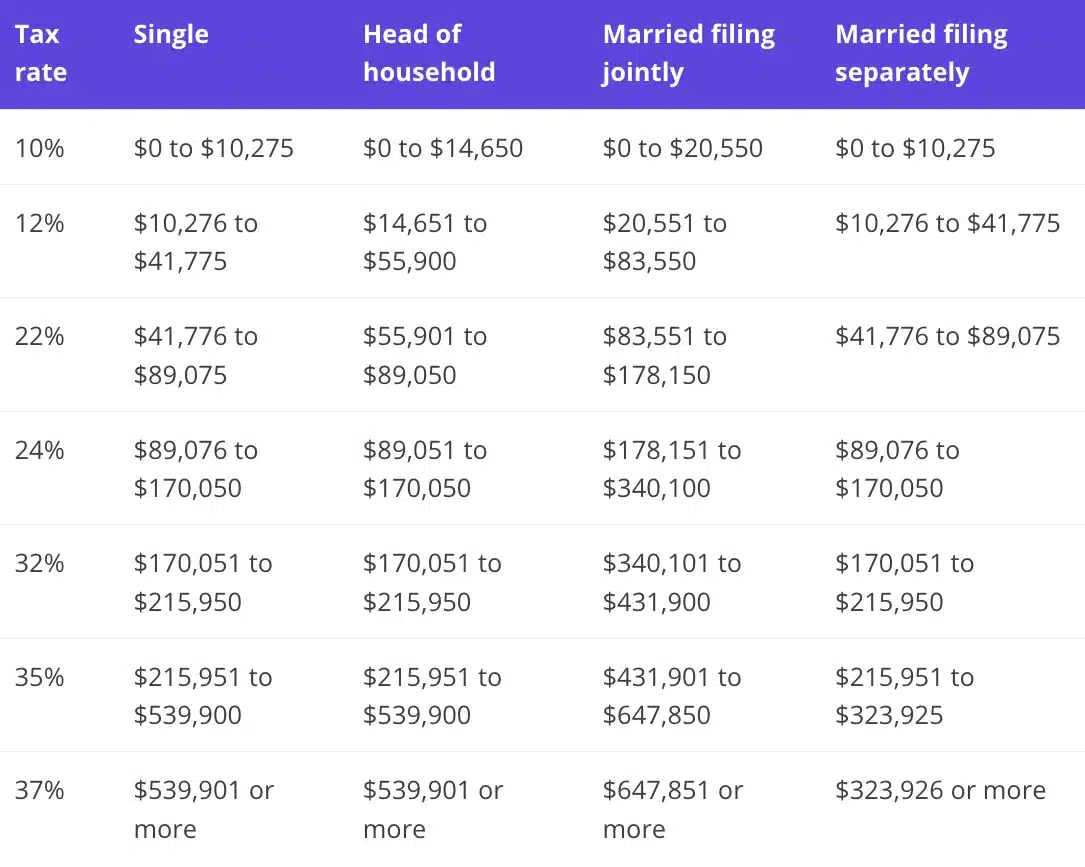
In the UK, the situation is pretty much the same: cryptocurrencies are taxed like other assets. Capital gains tax (CGT) applies to income above a tax threshold. If income from cryptocurrency trading exceeds a certain amount, the taxpayer must file a tax return and pay taxes.
The Australian Tax Office also classifies cryptocurrencies as assets. Investors must pay capital gains tax if they sell their tokens at a profit. There is, however, a minor clarification: in some cases, cryptocurrencies used to purchase goods and services may be exempt from tax if the transaction amount does not exceed $10,000.
Overall, Europe is in the lead, with Switzerland in the lead: some residents of this country can not only pay for their purchases with cryptocurrencies but also their taxes, explains the Federal Tax Administration (FTA):
“If the salary or ancillary benefits are paid to the employee in the form of payment vouchers, these are taxable as income from gainful activity 5 and must be indicated on the salary certificate.”
Why don’t some countries have to pay taxes on cryptocurrencies?
Several countries encourage the use of cryptocurrencies due to the absence of compulsory taxation: this is how the authorities try to attract investors and create cryptocurrency startups.
Portugal has become one of the few countries where citizens are exempt from taxes on income from cryptocurrency trading. There are exceptions when cryptocurrency is used in professional or commercial activities.
In Germany, cryptocurrencies held for more than a year are not subject to tax when sold. This creates an incentive to invest in crypto assets for the long term. However, the profit will be subject to capital gains tax if the crypto is sold before this deadline.
Malta is actively developing its crypto industry and offers favorable tax conditions. Cryptocurrencies are only taxed if they are sold or exchanged for fiat currency; otherwise, tax does not apply.
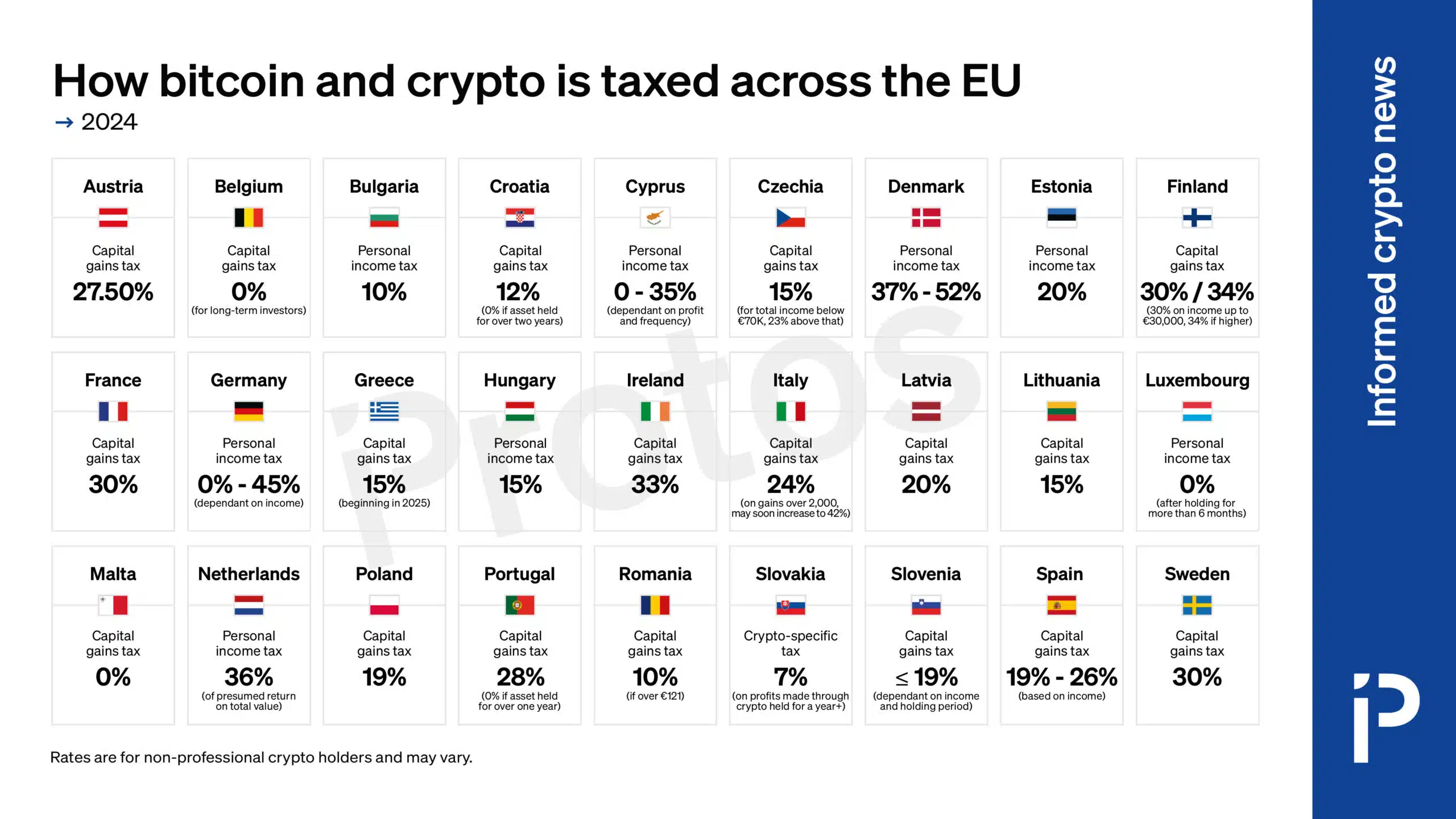
However, there are countries where it is not necessary to pay taxes on cryptocurrencies simply because they are banned.
Countries where cryptocurrencies are banned
China is one of the most well-known countries that ban cryptocurrencies. All cryptocurrency transactions were banned in 2021 and regulators were actively cracking down on mining. This has created significant problems for investors and crypto companies in the country.
In Algeria, the use of cryptocurrencies, including trading and mining, is strictly prohibited. The African country does not allow cryptocurrency transactions, including exchange and sale, making it impossible to carry out such transactions in the country.
Cryptocurrencies are also banned in several other countries, most of which are in the MENA and Asia regions, such as Morocco, Pakistan and Indonesia.
Why do some countries not pay taxes on cryptocurrencies?
In addition to the ban and the attractiveness of investments, some countries do not pay taxes on cryptocurrencies for a simple reason: the authorities have not yet developed regulations for digital assets.
For example, although Japan has recognized Bitcoin (BTC) and other cryptocurrencies as a legal medium of exchange, many aspects of their regulations are still being developed. Although the country has several rules governing crypto exchanges, there are many gaps in the legislation regarding specific tax factors.
In Nepal, cryptocurrencies are not yet clearly regulated, but they are de facto prohibited. Since the government has not developed legislation to regulate this asset class, cryptocurrencies remain in legal limbo.
What’s the next step in cryptocurrency taxation?
Taxation of cryptocurrencies varies from country to country, leading to different approaches to regulating and taxing these digital assets. While some countries are actively developing tax policies and regulations for dealing with cryptocurrencies, others remain in legal limbo and some ban their use outright. However, according to Chainalysis, the adoption of cryptocurrencies continues to grow globally.
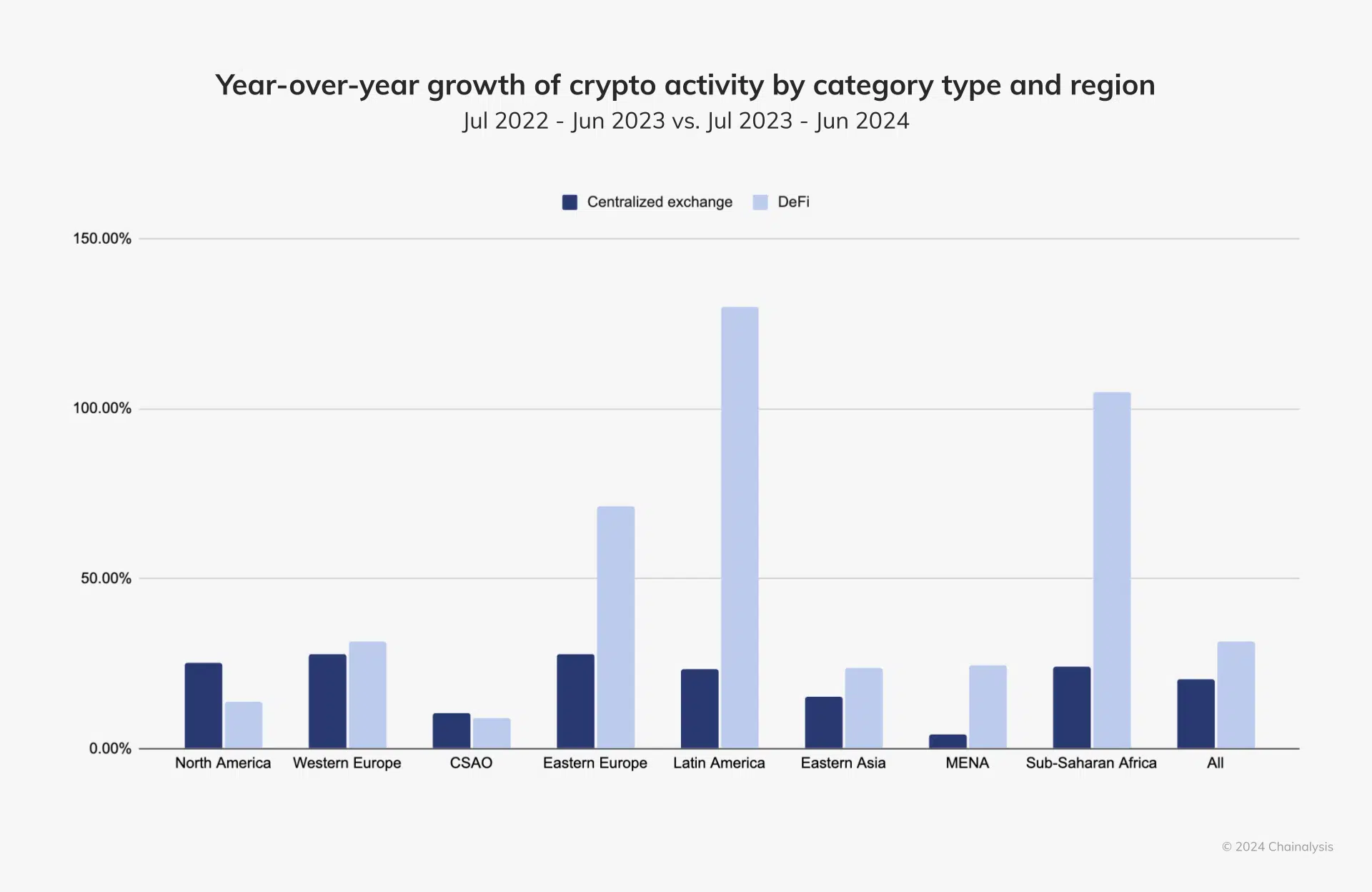
Cryptocurrency taxation is therefore likely to continue to evolve towards greater clarity and regulation, providing stability to investors and market participants. However, changes may occur unevenly depending on regions and political environments.


