



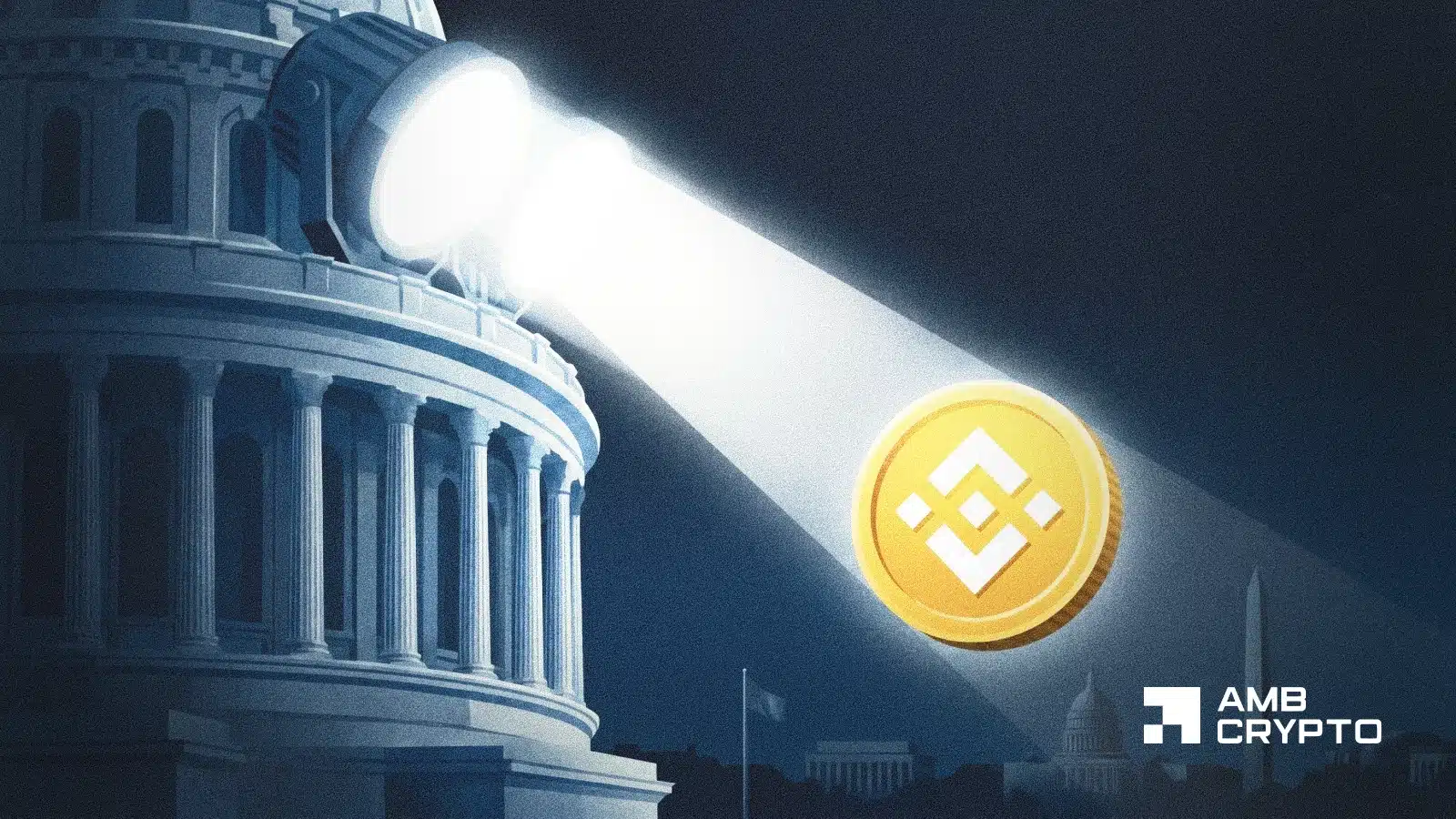
The recent wave of macro FUD has increased legal oversight of centralized exchanges.
The main problem is simple: the main risk holding back investment in crypto is the possibility of security breaches leading to losses for users.
Unlike central banks, where risk is centralized, in crypto this burden is shifted to exchanges, which efficiently handle banking-like functions such as custody and day-to-day liquidity management.
In a report by The Information, Binance, the largest centralized exchange, has come under new scrutiny as the US Treasury Department reportedly pressured it to fully comply with the oversight framework linked to its 2023 deal.
As a reminder, this agreement placed Binance under an independent monitor to improve compliance regarding money laundering and sanctions violations.

Naturally, the question is: what led to this deal in the first place?
Reports suggest that by 2024-2025, more than $1 billion may have been transferred via Binance to Iran-linked entities, amid growing geopolitical tensions with the United States.
The key point, however, is why the US Treasury is now requiring stricter compliance from Binance.
As the message above shows, the latest pressures follow broader coercive measures by the United States under “Operation Economic Fury,” aimed at disrupting Iranian financial networks.
A recent example includes the freezing of approximately $344 million in USDT, showing how the US Treasury is tightening “all” crypto-related flows linked to sanctioned entities. So, dDoes this “insulate” Binance from serious risk?
US Treasury Pressure on Binance Comes at a Critical Time
The hard data reinforces why Binance’s latest scrutiny is particularly concerning.
While this isn’t happening in isolation, what gives Binance some context is the magnitude of the numbers that stand out.
Blockchain analytics firm Chainalysis recently estimated that Iran generated approximately $7.78 billion in crypto activity in 2025, with IRGC-linked wallets reportedly receiving more than $3 billion.
In this context, the US Treasury’s increased compliance with Binance reflects growing concern over large-scale crypto flows.
According to AMBCrypto, this looks less like a broad enforcement campaign as part of “Operation Economic Fury” and more like a development of non-compliance risks specific to Binance.

The market reaction notably supports AMBCrypto’s thesis.
As the chart shows, Binance’s native BNB token is down more than 1.5% after The Information’s report. Combined with data from Chainalysis and the broader tone of risk aversion in crypto markets, the US Treasury’s decision landed at a critical time.
As the largest cryptocurrency exchange, Binance, now under “serious” scrutiny, could add to the downward pressure if concerns intensify, making it a key development to watch.
Final Summary
- Pressure from the US Treasury on Binance shows increasing focus on sanctions compliance amid concerns over crypto flows linked to Iran.
- Market reaction suggests the regulatory news is adding risk-averse pressure to the broader crypto market.


