



Key takeaways
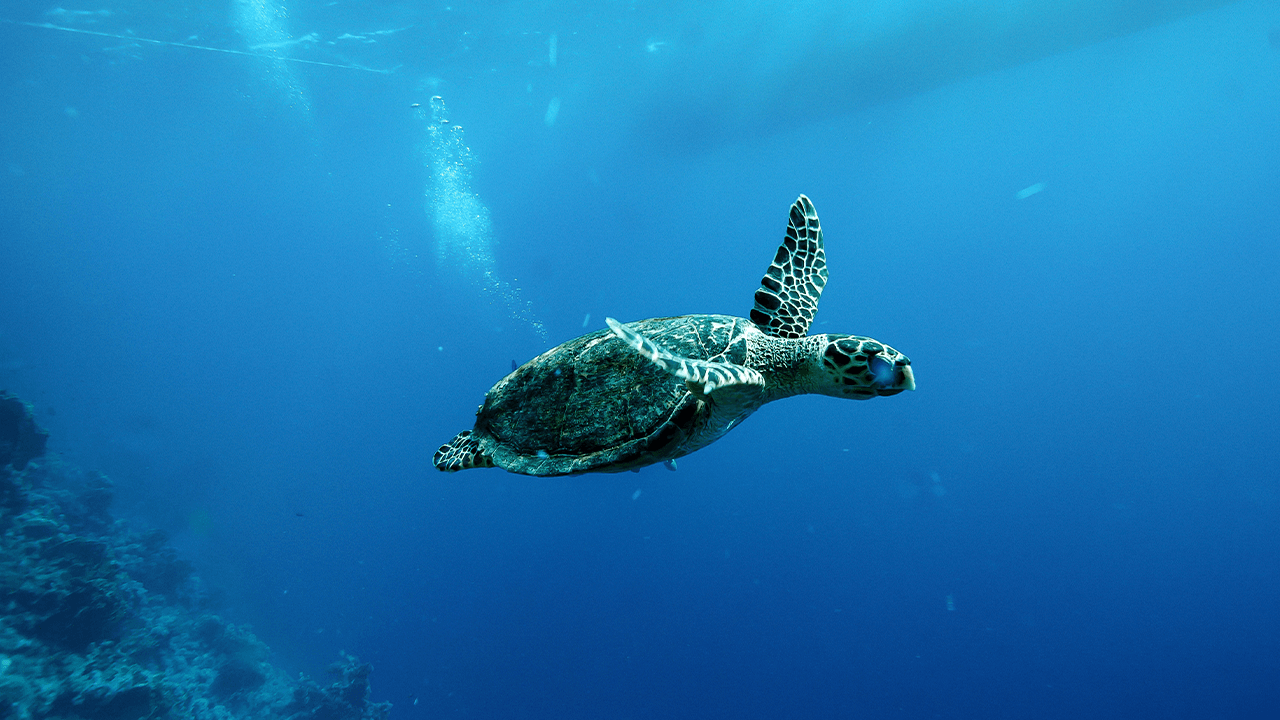
- China MSS said that on June 12, 2026, turtles equipped with sensors collected military data from the oceans.
- Tensions within the Five Eyes group could lead to increased demand for underwater surveillance and detection technologies in 2026.
- Taiwan Strait security could boost ocean surveillance on multiple levels as governments thwart secret sensors.
A new warning from China’s Ministry of State Security highlights an unlikely suspect: marine animals. In a June 12, 2026 post on the agency’s official WeChat account, the agency pointed to turtles and fish that were reportedly fitted with miniature sensors to collect ocean data useful for military-grade mapping. The ministry says the same efforts have also helped develop monitoring equipment such as buoys and wave gliders in nearby seas. The claims come amid growing espionage frictions with the Five Eyes and growing pressure points around Taiwan and the South China Sea.
Allegations of foreign espionage in the water
The ocean doesn’t often appear in tech news, until it does. On June 12, 2026, China’s Ministry of State Security issued a public warning claiming that foreign actors had been caught using marine animals for surveillance in China’s territorial waters. The ministry said it found turtles and fish carrying miniature sensors, as well as other unmanned equipment, all intended to discreetly collect ocean data.
According to the ministry’s message, the sensors recorded salinity, current patterns and water temperature in real time, then transmitted the information via satellite. It also alleged the discovery of “spy buoys” and aquatic drones known as wave gliders, suggesting an effort that goes beyond a one-off experiment and into repeatable collection.
Why ocean data is important for modern militaries
For most of us, temperature and salinity sound like a reminder from science class. In military hydrography, these are operational inputs. These variables shape the way sound travels underwater, affecting sonar performance and, by extension, submarine detection and evasion.
Indeed, detailed maps of currents and water layers can help planners predict where sonar becomes less reliable, creating useful “shadow” areas for covert movements. The use of animals, if the allegations are accurate, adds a layer of plausible deniability and physical stealth that satellites and planes don’t always have.
Geopolitics hovering over the headlines
China did not name any specific country, but the timing comes amid more virulent accusations and counter-accusations between Beijing and Western governments. The warning follows public discussions about intelligence competition involving Five Eyes partners, including the United States, in areas that blend traditional defense and modern data collection.
Beijing has also presented some deployments as potentially hidden behind scientific research or environmental programs, and asked fishermen to report suspicious devices. This request is telling: It treats the fishing fleet as a network of distributed sensors, the same way Silicon Valley treats phones and cameras as edge devices.
What this means for the security technology sector
Whether all these claims hold or not, the general direction is clear: biology, sensors, satellites, and autonomy are converging into a new category of surveillance infrastructure. It’s not hard to understand why hot spots like the Taiwan Strait and the South China Sea continue to appear in strategic conversations, alongside U.S. sites like Kadena Air Base and the Port of Apra on Guam.
A question remains for American policymakers and entrepreneurs: how to secure environments where the “device” could be a buoy, a drone or a living creature? The answer will likely look less like a single breakthrough and more like multi-level sensing, tighter supply chains for ocean hardware, and far greater attention to data beneath the waves.


