




Bitcoin ETF News: U.S. spot Bitcoin ETFs have now recorded 10 consecutive trading days of net outflows, with approximately $2.9 billion to $3.0 billion redeemed since mid-May 2026, according to CoinGlass data, the longest streak of sustained outflows since the products launched in January 2024.
This streak eclipses the previous record of eight consecutive outflow days set earlier in 2025, a streak that itself followed one of the strongest periods of institutional inflows in ETF history.
The combined net assets of U.S. spot Bitcoin ETFs fell from about $104.3 billion to $94.2 billion in less than two weeks as weak prices and capital outflows squeezed the complex.
Here is the central tension this article uncovers: If 10 consecutive days of Bitcoin ETF outflows signal that institutional players are abandoning ship, why do cumulative net inflows into these same products remain near their all-time highs, and why is Bitcoin still trading not far from its cycle high?
DISCOVER: The Next 1000x Crypto Gem Ahead of Its Listing on Binance
Bitcoin ETF News: 10-Day Exit Streak: What the $3 Billion Number Really Tells You
Think of a Bitcoin ETF like a locker room in a busy place. When the guests arrive, they put on their coats, new money comes in, and the cloakroom expands. When the guests leave and collect their coats, the attendant has to collect them, it’s redemption. The locker room is shrinking, but that does not mean that the room is closing its doors. This means that some guests decided to go home early.
Mechanically, when an institutional investor buys back shares of a Bitcoin ETF for cash, the fund’s authorized participants sell the underlying Bitcoin to return money. Selling pressure is what moves the market. This is a structural consequence of the buyback process, not a statement that the institution has forever lost confidence in Bitcoin.
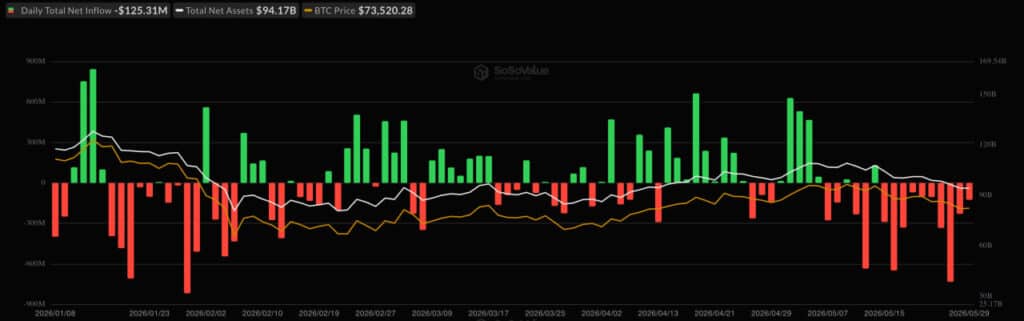
Context matters a lot here. According to CoinGlass, cumulative net inflows into US spot Bitcoin ETFs since their launch in January 2024 remain in strongly positive territory even after this streak.
The $2.9 billion to $3.0 billion repurchased over 10 days represents a fraction of the total capital that institutional and advisory accounts have deployed in these products over 18 months.
A single day during the streak saw $733 million withdrawn, a headline-grabbing figure that, compared to ETFs’ total assets under management, still measured in the tens of billions, looks less like a collapse than a margin correction.
As we explain what ETF exits mean for BTC-USD, the mechanical reality of redemptions rarely matches the doom-and-gloom tone of the headlines surrounding them.
DISCOVER: The best Meme Coin ICOs to invest in 2026
Seasonal cooling or structural output? Read the 10 day sequence correctly
This isn’t the first time Bitcoin ETF outflows have clustered in a sequence, and history provides a useful anchor. The previous record eight-day outflows in early 2025 resolved with a return to net inflows within days, and BTC price subsequently maintained its broader uptrend.
This episode was driven by a combination of macroeconomic repositioning and end-of-quarter rebalancing, the same forces that analysts are currently citing.
Analysts at Galaxy Research called the largest single-day release during this current streak as directional recalibration by institutional actors, specifically citing geopolitical tensions and the rotation toward AI-related action opportunities as key drivers.
This framing, this rotation, and not this withdrawal, constitutes the essential distinction. Bloomberg ETF analyst Eric Balchunas has consistently noted that large groups of outflows tend to reflect portfolio-level rebalancing decisions made above the asset class, not judgments on Bitcoin specifically.
When a multi-asset fund reduces its crypto allocation to increase its exposure to AI stocks, the Bitcoin ETF exit is a downstream accounting entry, not an editorial statement about the future of BTC.
Issuer-level data reinforces this reading. Reports indicate that BlackRock’s IBIT, previously the dominant leader in daily inflows among all U.S. ETFs across all categories, has contributed significantly to recent redemptions.
As we explained in our article on what IBIT’s worst outflow day means for beginners, even the most delicate institutional capital rebalances periodically – and this behavior should not be interpreted as a vote against the underlying asset.
Meanwhile, Ether products have seen 14 consecutive sessions of outflows alongside Bitcoin’s streak, suggesting a broader cooling of institutional crypto beta rather than a Bitcoin-specific issue. At present, this signal calls for caution. It is not said to go out.
Follow 99Bitcoins on X for the latest market updates and subscribe on YouTube for daily market analysis from experts.
The post Bitcoin ETF News: BTC ETFs hit 10-day outflow streak, is the institutional hype over? appeared first on 99Bitcoins.


