


The evolution of the cryptocurrency landscape in the United States could have an impact downstream on How companies move, hold, store and monetize payments.
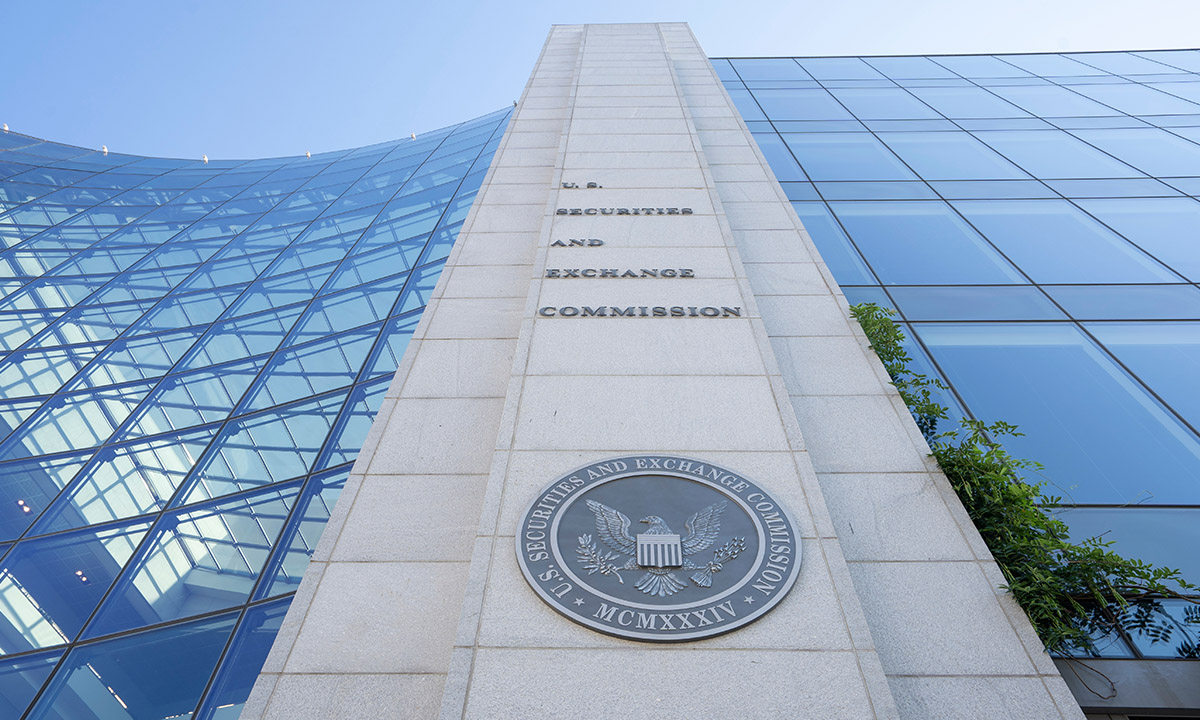
Paul S. Atkins was enslave like the 34th president of Commission of securities (Sec) Monday April 21 after being confirmed by the Senate earlier this month. Atkins, who has long been personally involved in digital assets, is visualized favorably by industry defenders, who are full of hope He will use his position at the top of the regulatory body to drive Before Regulatory clarity for the landscape of digital assets.
As a sign of the evolution of time, CircleFintech company better known for USDC StablecoinUnveiled on Monday an initiative called Circle Payments Network (CPN)targeting To modernize how value circulates in the world.
CPN will connect financial institutions and allow real -time settlement of cross -border payments using the USDC, EURC and other regulated stables, the company has expressed in a white paper.
In addition, cryptographic companies such as Paxos And Jammingas well as Circle,, pursue banking chartersThe Wall Street Journal reported on Monday, essentially seeking to be part of the even banking system which historically kept them at a distance.
For financial directors, treasurers and payment executives, these trends could affect the way companies manage money in the coming years.
Read also: Digital assets start: chain token for payments professionals
That knowing the Circle payment network and the stablecoins
At a high level, CPN is a payment network powered by the blockchain which connects financial institutions (FIS) and allows them to transform by using digital stables as a settlement medium. Participants may include banks, neobancs, payment service providers, fintechs and digital portfolio operators.
By joining the CPN, these institutions can send and receive payments worldwide in real time via stablescoins such as USDC (a coin with an American dollar) or EURC (a euro coin), which are exchangeable 1 to 1 against fiduciary currency. Stablecoins actually act as the transmittal vehicle for value, from the sender to the receiver faster than traditional banking threads.
A key aspect is that CPN itself Do not move species between bank accounts in the old way. Instead, it coordinates the Stablescoins movement between the participants in the network.
“Above all, CPN does not directly move the funds; Rather, it serves as a market for financial institutions and acts as a coordination protocol which orchestrates the world money movement and the exchange of transparent information, “said the White Paper of Circle.
CPN can mainly be displayed As a layer of orchestration which indicates to the participants how and when to transfer tokens (and the corresponding Fiat on their balance sheets) to make a transaction. The role of Circle is as a network operator defining the rules (the protocol) and providing the APIs and the intelligent contracts to which the participants connect.
The ultimate vision of Circle for CPN is not only a single product, but a framework on which others can build, more similar to the way in which Internet protocols have allowed a proliferation of websites and applications. For business financing teams, this could mean a richer range of financial services available in a single interoperable network, Rather than portals and banking platforms with fenced partitions.
See also: 3 things that stakeholders can all agree on the stablescoins
Cryptographic companies strike at the Bank door
While Circle builds the CPN platform, it is also part of a broader movement of crypto companies that grow in the regulated banking sector. Several crypto and fintech companies are looking for American banking charters or similar licenses right away.
It is a striking development, since A year or two ago THE The relationship between cryptographic companies and banks was heavy. In 2023, after high -level failures like Ftx in the cryptographic industry and the collapse of cryptographic user -friendly institutions as Silvergate Bank and signature bankMany traditional banks withdrawn from cryptographic customer service.
In case of success, a company like Circle could contain customer deposits,, Childcare reserves for stablescoins, And Make loans or offer other banking services, all under the supervision of banking regulators.
There is a growing feeling among political decision -makers (on both sides of the aisle) that if stablecoins must be part of the financial system, they need a legal basis similar to banks or money market funds. By obtaining banking charters or trust licenses NOWCryptographic companies could anticipate imminent regulations and shape them.
Approved institutions also have certain advantages. They can potentially obtain direct access to Federal reserve Payment systems, have client dollars sales in the central bank accounts and operate in the 50 states without the need for a patchwork of state licenses.
For a stable transmitter like Circle or Paxos, being a regulated national bank could strengthen confidence between large institutions and users – by saying essentially: “We meet the same standards as the bank where you hold your business treasure or your personal savings.”
It should be noted that all these companies do not pursue the same type of charter. Circle and Bitgo are would have Aim the charters of the National Bank to full service. Others have considered charters of the National Trust Bank or even Charters of the Industrial Loan Company (ILC).
If these charters are approved, regulators will submit companies to a banking exam. This is a double -edged sword. On the one handThis means greater surveillance and greater responsibility (good for customers and system integrity)but on On the other hand, this means that these companies must mature their risk management, their compliance operations and their capital requirements.
As cryptographic companies become regulated banks or trusted companies, partnerships with them become less a risk of reputation or regulatory for businesses. A Fortune 500 company could have hesity To hold stablecoins or use a cryptography service provider when the sector has been seen Like the West West. But if this supplier is now a supervised banking entity (subject to audits, capital requirements and monitoring of federal regulators), it modifies the equation.
In the end, the point to remember for business leaders is to remain informed and prepare.
For all Pymnts digital transformations and B2B cover, subscribe to everyday Digital transformation and B2B newsletters.


