



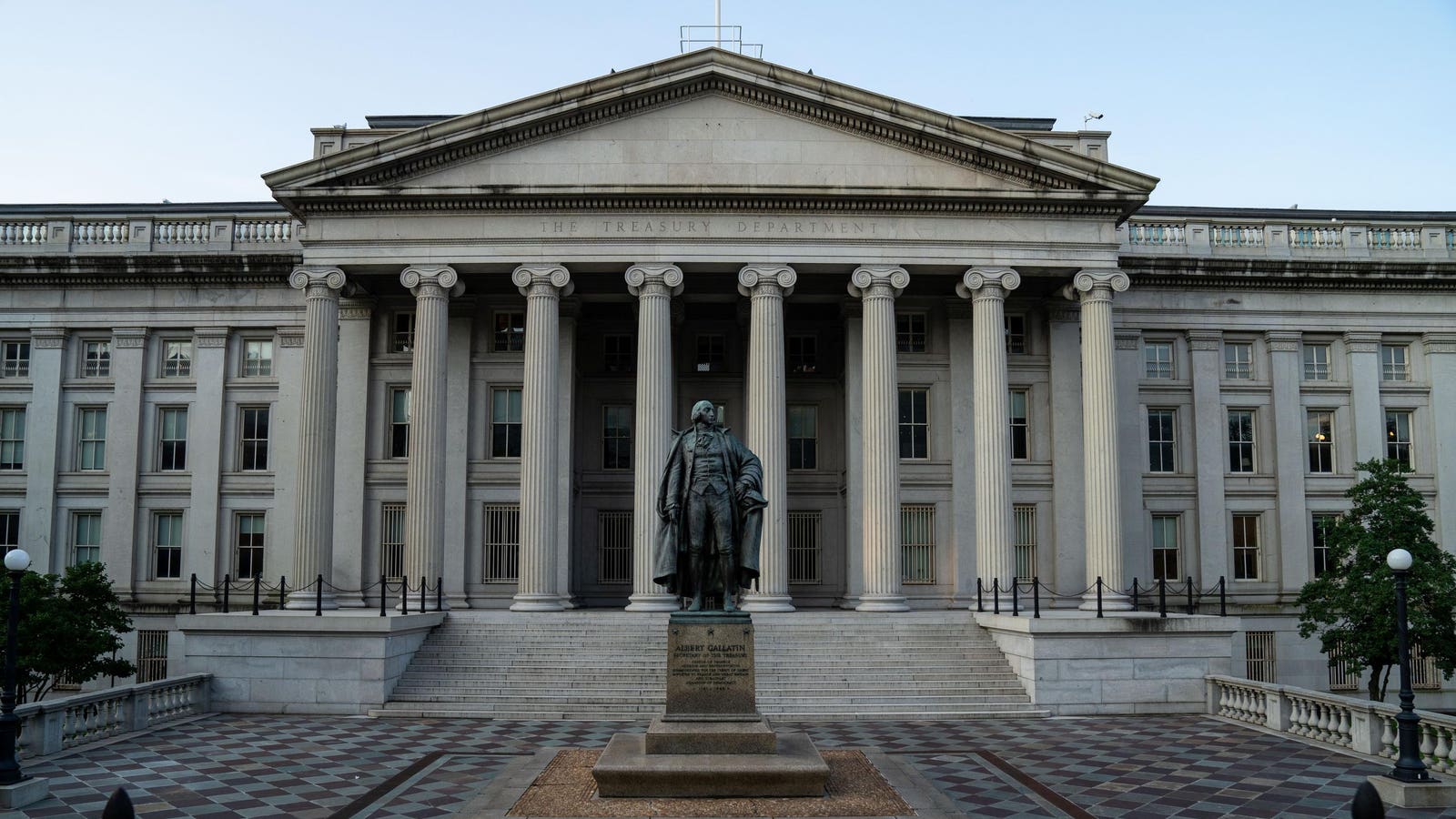
WASHINGTON, DC – JULY 16: The U.S. Treasury Building, photographed on Friday, July 16, 2021 in … (+)
As cryptoassets and the discussions surrounding them become more mainstream and accepted by virtually every individual and institution in the United States (and abroad), calls for more consistent, comparable, and clear regulation and policy are only growing louder. The SEC has long been (and rightly) seen as the primary obstacle to effective and enforceable cryptocurrency-specific regulation, but that is only part of the regulatory picture. It is worth noting that while the SEC has suffered multiple legal setbacks and seen changes in key positions within the Cybersecurity Enforcement Division, the Gary Gensler regime still casts a long shadow over the industry as a whole. Congressional hearings and calls for his resignation aside, the chairman appears unlikely to change course and could still play a significant regulatory role depending on the outcome of the 2024 presidential election.
The IRS is another regulator often singled out for efforts to change regulatory attitudes and perspectives on cryptoassets. Such an approach makes sense from a practical perspective: with every transaction (no matter how small) generating tax liabilities for U.S. investors and users, the likelihood of broader adoption and use remains limited. While the IRS has been very public in its statements and opinions on cryptoasset taxation, based on those statements, it seems unlikely that a dramatic shift in the tax treatment of cryptoassets will occur in the near to medium term. Given that neither the IRS nor the SEC appear likely to undergo a dramatic change in policy or enforcement mechanisms, and Congress appears unable to secure legislative change, Treasury increasingly appears to be a logical place to focus advocacy efforts.
Let’s take a look at some of the ways the U.S. Treasury has already influenced crypto policy, and how crypto investors and advocates could leverage that influence to pursue pro-crypto stances in the future.
Vague cash flow statements offer an opportunity
The Treasury has launched several studies, including the Financial Stability Risks and Regulation of Digital Assets, released by the Financial Stability Oversight Council in 2022. Following the issuance of an executive order urging regulators to work more closely to regulate the cryptocurrency industry, the report sought to provide a foundation from which more comprehensive rules and frameworks could be developed. In the report, Treasury Secretary Janet Yellen highlighted the benefits of cryptocurrencies in spurring innovation, but also concluded that such activities could pose a systemic risk to the U.S. financial system.
Since the report was released, the Treasury has provided very little direct guidance on cryptocurrency regulatory issues, and interagency cooperation has been (at least publicly) minimal. Given the rapid growth of crowdfunding vehicles and investments in the cryptocurrency sector, cryptocurrency politicians, advocates, and policy advisors are well positioned to argue otherwise. Rather than posing a systemic risk to the U.S. financial system and institutions, cryptocurrency investment and innovation have proven lucrative, widespread, and have the potential to strengthen the U.S. financial system.
Stablecoin policy has become a priority
Stablecoins have quickly moved from a relatively niche area of policy and focus to one that continues to attract investment and interest from across the TradFi sector, and even the government sector. Global institutions such as PayPal have launched a native stablecoin, which has seen rapid growth since its integration with Solana
Solana
The US Treasury is also taking a keen interest in stablecoin adoption, although the focus has been on enforcement actions, restricting the use of stablecoins to potentially evade sanctions, and preventing the broader use of stablecoins for unethical and illegal purposes. Regardless of the regulatory focus to date, the importance of stablecoins to the DeFi sector, the integration of crypto assets into TradFi institutions, and the ability of consumers to use cryptocurrencies as a medium of exchange will not be diminished. The fact that virtually every aspect of the financial sector has moved towards stablecoin adoption should be seen as a positive indicator for the sector and potentially more forward-looking regulation in the future.
Crypto policy discussions have come a long way, but forgetting to include the Treasury would be detrimental to the crypto industry and the entrepreneurs who work in it.


