



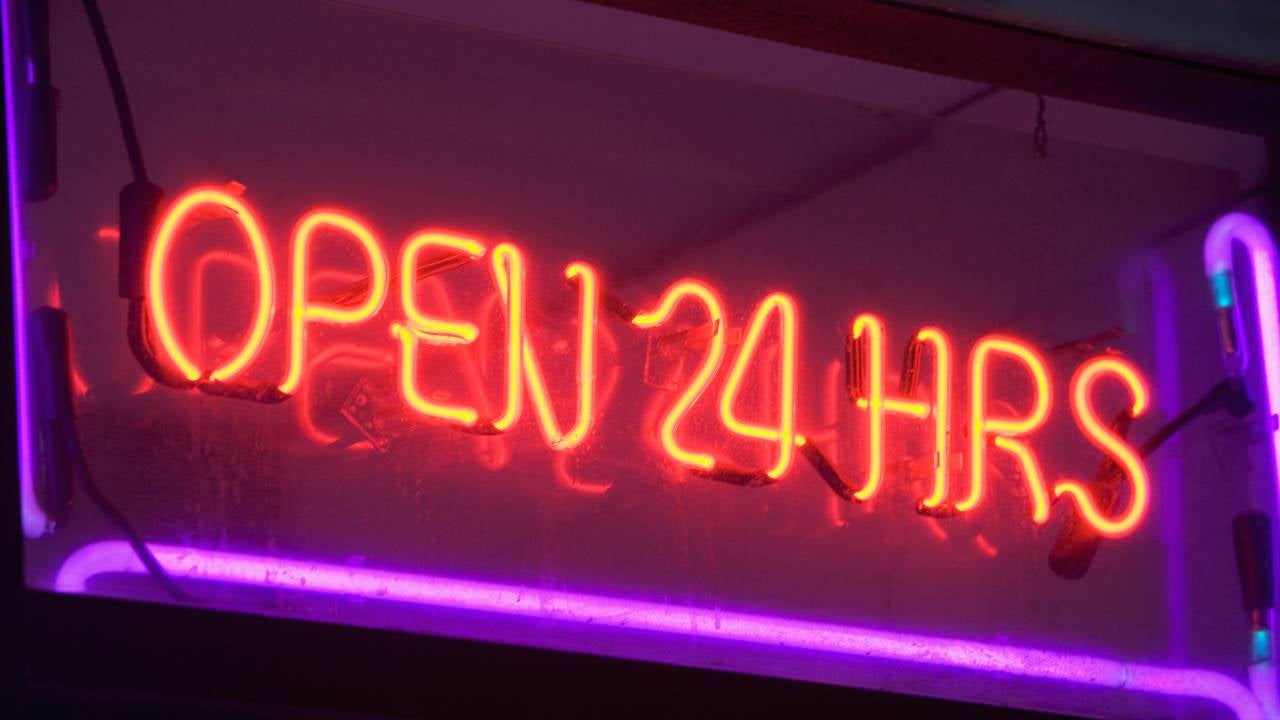
If you’ve ever wanted to trade cryptocurrencies, you might notice something different about market hours: there aren’t any.
Cryptocurrencies do not need to be traded on any type of central exchange because they run on blockchain, making them available for buying and selling 24/7 7, 365 days a year.
Here’s a look at how cryptocurrency market timings work and what you need to know before investing.
How do trading hours work in the cryptocurrency market?
Cryptocurrencies operate on blockchain, which is a decentralized ledger of transactions, meaning that an intermediary, such as a bank or financial institution, is not necessary. So, how exactly does this impact the crypto market’s opening hours? Well, this means that there is no limited period during which transactions can take place.
For example, instead of having a human broker or bank teller validate transactions, computers work to validate the movement of cryptocurrencies from one person to another over time, leaving a permanent record that can be accessed later . It’s a bit like a long receipt of every transaction made, without the need for people to manage the transactions.
People call the broader transaction ecosystem decentralized finance (DeFi), which essentially allows investors to “become the bank,” giving them the ability to send money quickly and efficiently anywhere in the world. Investors can also access funds through digital wallets without paying typical banking and brokerage fees.
Let’s say you want to buy Dogecoin at 3 a.m. ET – well, you can, without having to wait for the market to open at 9:30 a.m. ET. This also means that transactions can take place across multiple time zones.
Almost all major exchanges operate 24 hours a day, including Binance, Coinbase, Kraken and others.
The impact of a 24/7 market on cryptocurrency prices
For all the benefits of being able to trade cryptocurrencies at any time of the day, there are a few things to consider when it comes to cryptocurrency liquidity, volume, and price. All these factors are influenced by each other:
Volume
Trading volume (the amount of crypto bought and sold in a given period) tends to peak when major trading markets overlap. For example, if the US market and the European market are open at the same time, it is likely that crypto trading volumes will be higher, as this is the time when traders are most active throughout the day .
Higher volume generally provides greater price stability. This is because there are more people trading, so individual purchases and sales don’t cause overall prices to vary as much, while low volume can cause larger price swings.
Liquidity
The global crypto market operates 24 hours a day and has varying levels of liquidity (the ease of buying or selling) depending on the timing. During off-peak hours, reduced liquidity can cause substantial price swings, thereby increasing volatility.
Prices
Since the market does not close, price fluctuations can also occur at any time, mainly influenced by investor sentiment, the activity of other traders or what is happening on social media.
During weekends and off-peak hours, trading volumes are lower and prices can fluctuate more dramatically because individual purchases and sales have a greater impact on prices.
Tools used for trading in the cryptocurrency market
Crypto traders use brokerage accounts and exchanges to help them monitor this type of data, as well as other platform tools. Here are some of the ways investors monitor cryptocurrency prices 24/7.
- Crypto exchanges, including platforms like Coinbase or Binance, allow investors to buy, sell and trade cryptos. You can also use brokerages like Robinhood to do the same. Choosing a reliable and reputable exchange ensures good liquidity and a user-friendly interface for trading 24/7.
- Advanced traders use charting tools that display technical indicators, like moving averages and candlestick charts (although there are many others), to help them decide when exactly to buy or sell a cryptocurrency. Some traders also set up notifications for price movements.
Regulating a 24/7 crypto market
The decentralized nature of crypto has made its regulation notoriously difficult. For this reason, crypto regulations vary across the board. The Securities and Exchange Commission (SEC), Internal Revenue Service (IRS), and Commodity Futures Trading Commission (CFTC) define crypto as securities, property, and commodities, respectively. As a result, buying and selling cryptocurrencies has certain tax implications.
Regulations may also depend on the state you are in. So while you can, in theory, trade cryptocurrencies 24/7, the platform you can actually trade on depends on the state you live in. New York, for example, has strict rules for crypto businesses, requiring them to have what’s called a BitLicense. For this reason, some exchanges like Binance and Kraken do not operate in New York, so if you live there you cannot access these platforms.
But if you live in a state like California, it may be easier to access crypto exchanges. It just depends on what state you reside in and which exchange you want to use.
Large U.S.-based exchanges must comply with regulatory rules, and some have struggled to adhere to these rules in the past. Recently, the SEC has been cracking down on crypto exchanges that have allegedly failed to comply with these regulations, including filing lawsuits against Coinbase and Binance. Here’s a look at the lawsuits.
Conclusion
The crypto market is open 24/7, which means you can buy tokens at any time of the day. However, the cryptocurrency market generally follows the general pace of other financial markets. This means that when the US or European markets are open, crypto trading volumes tend to be higher. Overall, understanding how cryptocurrency market hours work can help you get a better idea of the factors that can influence crypto asset prices.


