



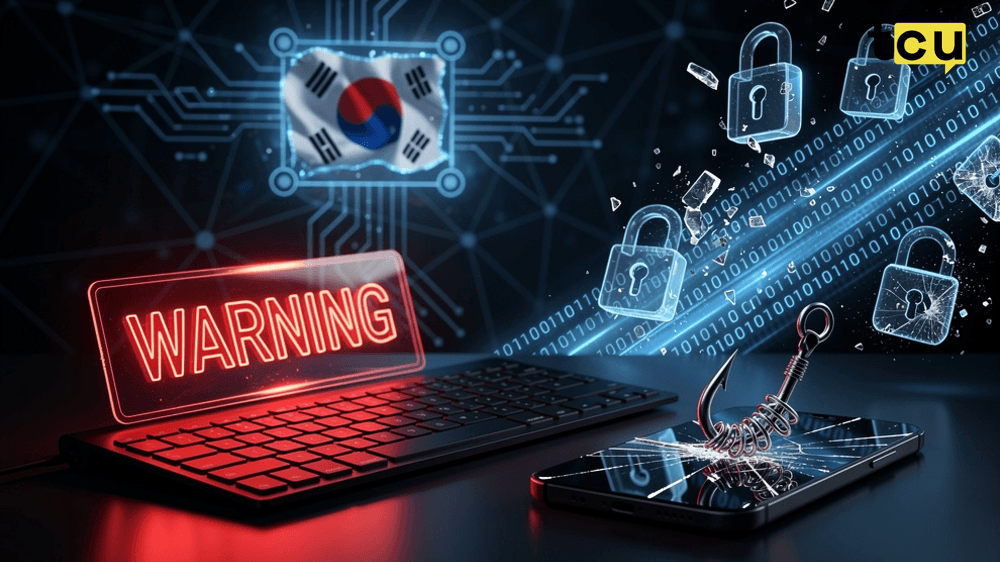

South Korea’s Digital Asset Exchange Alliance, or DAXA, issued a public warning on July 8. The alert focuses on a series of phishing websites that imitate legitimate domestic won-based cryptocurrency exchanges. These scam sites are promoted via advertisements on social media platforms, with Facebook being a key channel.
How the scam works
DAXA explained that phishing sites trick users into downloading and installing a program. Scammers claim that this software is necessary for trading or account security. This is a wake-up call, according to the alliance. Legitimate won-based exchanges in South Korea do not offer separate PC-installable trading software. Any request to install such a program should be treated as a clear indicator of a scam.
Scope and Implications for Users
The warning highlights a growing trend. Cybercriminals are exploiting the popularity of the South Korean cryptocurrency market. The country is a global hub for digital asset trading, making its users frequent targets for sophisticated phishing operations. DAXA’s notice is a vital reminder to investors to verify the authenticity of a platform before committing to it, particularly when asked to download software.
For South Korean crypto traders, the risks go beyond financial losses. Installation of these fraudulent programs can lead to the theft of personal information, including login credentials and private keys. This could mean a complete compromise of a user’s digital asset portfolio. DAXA represents major exchanges like Upbit, Bithumb and Coinone, so its warning carries significant weight. All market participants should take it seriously.
Stay safe
DAXA’s proactive alert highlights the ongoing threat of phishing in the crypto space. Users are strongly advised to access exchanges only through official websites or verified mobile applications. Avoid any unsolicited requests to install trading software. Staying vigilant remains the most effective defense against these evolving scams.
Here are some quick answers to common questions:
What is DAXA? It is a self-regulatory organization representing the major South Korean cryptocurrency exchanges. It works to protect users and promote fair business practices.
How can I spot a phishing site? Look for subtle differences in URLs, poor grammar, and unsolicited requests to download software. Legitimate South Korean won-based exchanges do not offer PC-installable trading programs. Always check the website address through the official app of the exchange or a known URL.
What if I think I’ve fallen in love with this? Disconnect your device from the Internet immediately. Run a full security scan. Change passwords for your Exchange accounts and email. Contact your exchange’s support team directly. Report the incident to local cybercrime authorities.


