



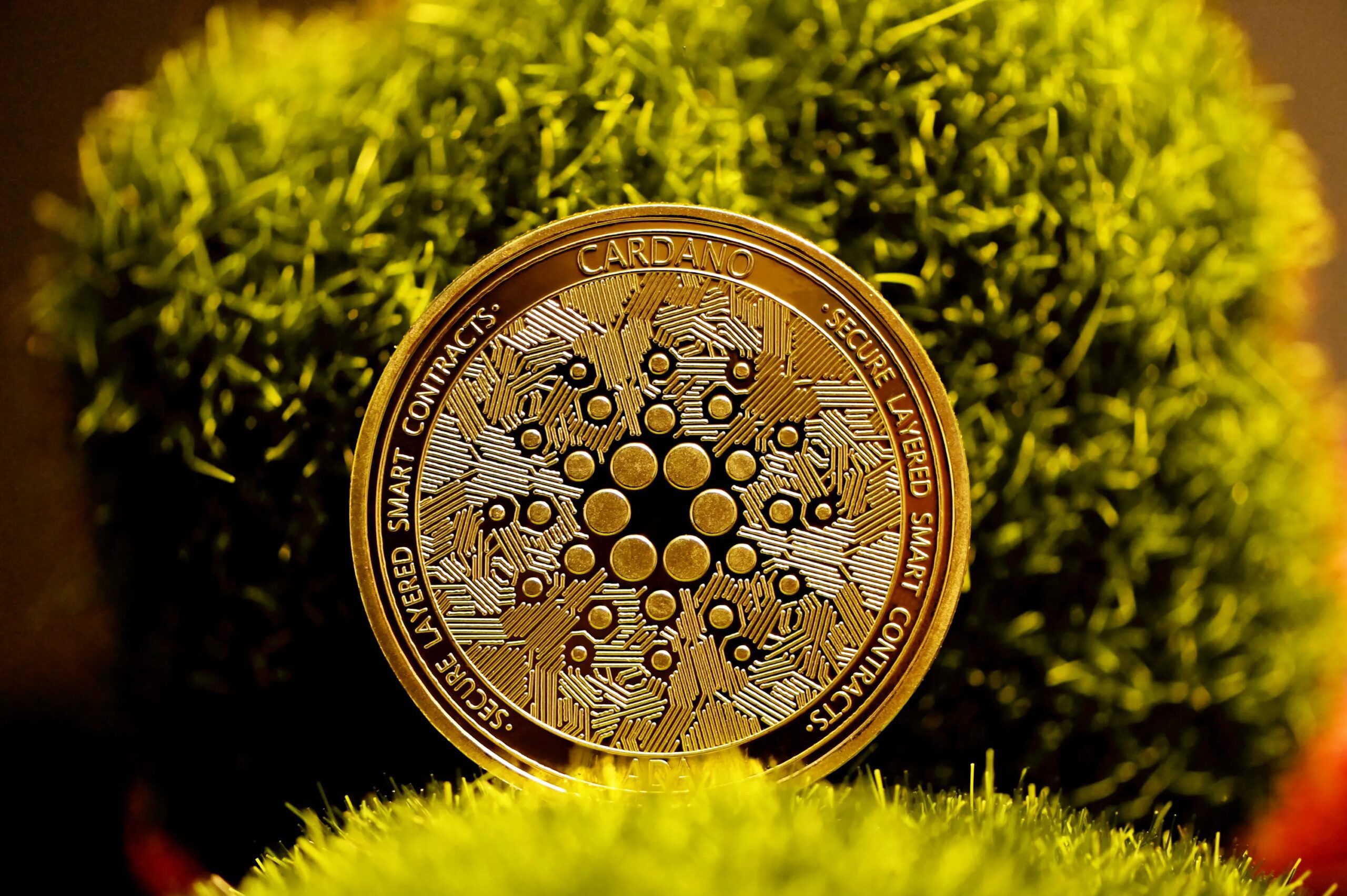

As the broader blockchain sector thrives, the Cardano network remains one of the leading blockchains among developers. However, blockchain appears to have its limitations, and one crypto expert said a complete structural reset could resolve this limitation, making it more efficient.
A rebuild from scratch is vital for Cardano
The Cardano Decentralized Finance (DeFi) ecosystem faces harsh criticism after crypto expert Fallen Icarus called out the leading blockchain for its fundamental problems. His statement, which was primarily aimed at network divergence, was common by Andrew Throuvalas, co-founder of Charmsdevs.
According to Icarus, Cardano’s current DeFi landscape needs to be rebuilt from the ground up. Revered for its updated version of P2P DeFi, Icarus claims that Cardano DeFi made a mistake by trying to imitate Ethereum’s “all-in-one” dApp concept, which integrates all the practical features. These include high throughput, liquidity, instant settlement, best pricing and censorship resistance.
Because of this approach, Andrew Throuvalas believes that blockchain faces several fundamental problems, such as excessive cost and poor scaling, but does not work in practice. Furthermore, he highlighted that the solution focuses on layered scaling, which satisfies more niches.
This is because the approach offers users the opportunity to compromise without ultimately sacrificing anything. An example of this is leaving a slow but censorship-resistant final settlement to a Cardano Layer 1 smart contract. Another is to farm high-throughput use cases to a less censorship-resistant but faster layer 2 application, such as DeltaDeFi, the first Hydra DEX.
The model available in the TradFi landscape
Throuvalas noted that this model is already working successfully in Traditional Finance (TradFi). Typically, when a trade is executed, DTCC, a layer 1 for TradFi order books, simply updates account balances. Meanwhile, Layer 2s provide everything that allows markets to generate liquidity, and brokers like Fidelity offer fast trading.
Interestingly, Throuvalas claims that this is the model that Bitcoiners are focused on and that no users attempt to scale or change Layer 1. Instead, L2s run high-throughput applications like Lightning, which Tier 1 CEXs ultimately adopted despite all their challenges. Currently, this solution is actively used for token exchanges and Bitcoin transfers.
In this model, layer 1 is not required to tackle all issues at once. Both Bitcoin and Cardano were designed as ultra-secure, decentralized base layers, considered the pinnacle of proof-of-work and proof-of-stake security. “Leave room for growth for L2 solutions. It’s a long road, but the only one that makes sense,” Throuvalas added.
With key updates, Cardano continues to solidify its position as the industry leader. Crypto analyst LaPetite declared the network quietly focuses on what is importantlike decentralization, security, reliability and trust, while many channels follow trends, TVL and hype. Currently, the network is the only major chain that has never suffered a serious DeFi hack. According to LaPetite, it’s not luck; it’s architecture.
Featured image from Unsplash, chart from Tradingview.com
Editorial process as Bitcoinist focuses on providing thoroughly researched, accurate and unbiased content. We follow strict sourcing standards and every page undergoes careful review by our team of top technology experts and seasoned editors. This process ensures the integrity, relevance and value of our content to our readers.


