




In today’s Bitcoin news, Tando, a mobile payment app available on Google Play and the Apple App Store, allows users around the world to send Bitcoin via the Lightning Network directly to Kenyan phone numbers. Recipients can then access the Kenyan shilling funds via M-Pesa without a crypto wallet or KYC verification.
Targeting remittances, freelance payments and merchant transfers, Tando operates a mobile money network that has processed KES 40.2 trillion (approximately $312 billion) in transactions over the past year, with over 32 million active users.
We took part in a side quest and we have good news on the other side! 40 million Kenyans now have a Lightning Bitcoin address! They didn’t need to register because they had it all this time, attached to the phone number in their pocket!
Try it: send bitcoins to… pic.twitter.com/MvjWl3nxmI
– Tando (@tando_me) May 12, 2026
It’s not just another crypto app; it shows how the Bitcoin Lightning Network can gain traction by leveraging established payment infrastructures. As large remittance operators explore stablecoin options, Lightning-native startups in Kenya aim to gain a stronger foothold before these alternatives enter the market.
The operator that succeeds in obtaining reliable liquidity on the Lightning-M-Pesa corridor could set the fee standards for remittances in East Africa, reducing costs long borne by traditional remittance services.
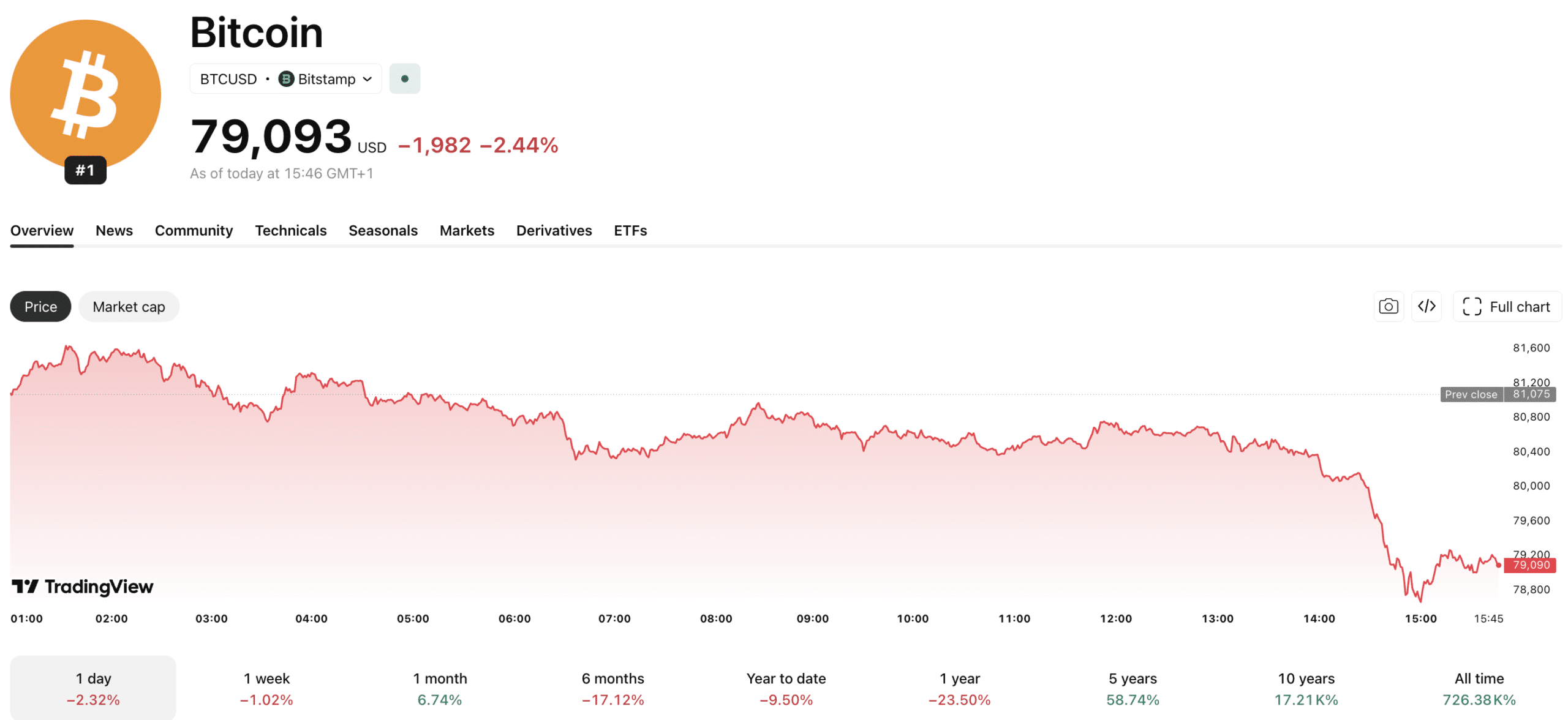
(SOURCE: TradingView)
Bitcoin News Today: Tando app and how the Lightning-to-M-Pesa settlement mechanism actually works
The mechanism works as follows: a sender outside of Kenya opens a Lightning-enabled wallet (supported wallets include Phoenix, Blink, Machankura, Strike, Bitkit, Zeus, Breeze and Wallet of Satoshi) and sends a Bitcoin payment to a Kenyan phone number registered on M-Pesa. Tando generates a Lightning invoice, receives the payment, converts it to Kenyan shillings at the current exchange rate and deposits the amount into the recipient’s M-Pesa account via Safaricom API.
The recipient interacts only with M-Pesa and receives a mobile money credit that resembles a domestic transfer. Tando co-founder Gitau says Tando does not control user funds, serving as a “bridge facilitating the transfer of value” rather than a custodial service.
Independent reviews of the beta indicate that there are no additional fees for users beyond M-Pesa’s standard rates, as Tando absorbs the costs during the adoption phase. However, reviewers noted two UX shortcomings: The app does not display the recipient’s name before confirmation, an important fraud prevention step. and currently only supports Kenyan shillings, which limits usability for international shippers. Tando’s non-custodial architecture sets it apart from previous Bitcoin-to-mobile money services like BitPesa, which operated as a custodial intermediary before rebranding itself as AZA Finance.
DISCOVER: Best Meme Coins to Buy in 2026
Kenya’s Mobile Money Networks and the Competitive Landscape: What the Lightning Bridge Reveals About Remittance Infrastructure
Kenya is a key test market for Lightning-mobile money integration, with 73% of adults using M-Pesa. This dominance means that any payment protocol adopted by M-Pesa can effectively reach most Kenyans without direct user acquisition.
In other Bitcoin news today, competing services like Machankura, launching in 2022, allow feature phone users to send and receive Bitcoin via USSD, presenting a model for wider access. Meanwhile, Strike entered Africa in 2023, focusing on remittances from the United States to Africa, but lacks the M-Pesa-specific depth seen with Tando.
The success of this integration depends on maintaining adequate Lightning liquidity, particularly during peak remittance periods. If Tando fails to respond to these spikes, the confidence of users who expect near-instant M-Pesa settlements could erode.
The Central Bank of Kenya’s cautious stance towards cryptocurrencies since 2015 adds another level of complexity, as Tando’s architecture may be viewed differently from direct cryptocurrency trading.
Tando and his partners plan to expand beyond Kenya into East Africa, signaling that Bitcoin Lightning could potentially integrate into a mass payment network through M-Pesa.
EXPLORE: The next crypto will explode in the second quarter
following
Disclaimer: Coinspeaker is committed to providing unbiased and transparent reporting. This article is intended to provide accurate and current information, but should not be considered financial or investment advice. Because market conditions can change quickly, we encourage you to verify the information for yourself and consult a professional before making any decisions based on this content.

Daniel Frances is a technical writer and Web3 educator specializing in macroeconomics and DeFi mechanics. Hailing from crypto since 2017, Daniel leverages his experience in on-chain analytics to write evidence-based reports and in-depth guides. He holds certifications from the Blockchain Council and is dedicated to providing “insight gain” that overcomes market hype to find real utility for blockchain.


