




On May 17, 2026, Michael Saylor posted two words on X: “₿ig Dot Energy”. For anyone who has followed the MicroStrategy Bitcoin buying pattern over the past couple of years, the message came as a kickoff.
Independent tracker Strc.live estimates that approximately 15,466 BTC was accumulated over four active trading days during the week of May 12-16, with an official SEC 8-K filing expected on Monday to confirm this figure. MicroStrategy already holds 818,869 Bitcoins at an average cost of around $75,543 per coin, the largest corporate Bitcoin position on the planet.
₿ig Dot Energy. pic.twitter.com/Sx5UShlOvV
-Michael Saylor (@saylor) May 17, 2026
When a company with access to capital markets, preferred stock issuance, and convertible debt makes a nine-figure Bitcoin purchase, it is doing something structurally different from anything a retail investor can replicate.
The question worth asking isn’t “should I buy Bitcoin because Saylor just did?” The question is: what does its behavior actually tell you about how to view Bitcoin as a long-term asset?
DISCOVER: The best crypto presales to watch this week
MicroStrategy’s Bitcoin machine: how buying BTC in business actually works
Think of MicroStrategy as a company that decided its savings account should be Bitcoin, then figured out how to keep topping it up using other people’s money. Not fraudulently, but through the normal mechanisms of capital markets that most retail investors never interact with.
Here is the plain English version of how it works. MicroStrategy issues preferred stock, including STRC, which pays an 11.5% annual dividend. Investors buy these stocks. The company uses the profits to buy Bitcoin.
STRC holders receive their dividend income; MicroStrategy adds more BTC to its balance sheet. This is a flywheel for raising capital: as long as investor demand for STRC remains healthy, Bitcoin purchases will continue.
This demand is clearly robust at present. On Thursday, May 16, STRC trading volume reached an all-time high of 15.1 million shares, surpassing the previous high of 14.7 million shares set on April 14. The community interpreted this spike as new capital deployed directly into Bitcoin.
About 80% of STRC is held by retail investors through large brokerages, including Charles Schwab, Fidelity and Robinhood, meaning that ordinary investors are already, indirectly, part of this accumulation engine.
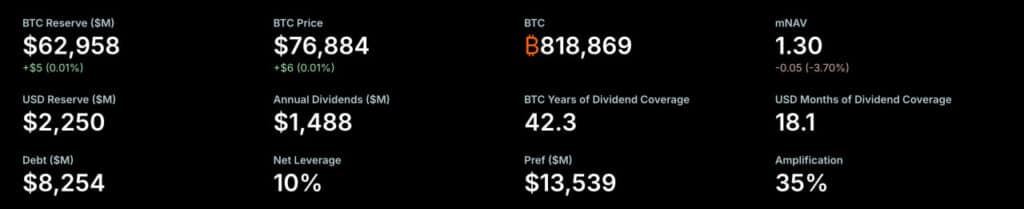
MicroStrategy also finances purchases via convertible notes. The company recently completed a $1.5 billion buyback of its 2029 convertible bonds, settled around May 19, but that hasn’t slowed the pace of purchases.
The company’s Bitcoin holdings milestone reflects more than 100 separate purchases since August 2020, including periods where the company was sitting on large unrealized losses. This desire to reduce losses is not recklessness, it is a documented strategy approved by the board of directors.
MSTR shares themselves trade at a premium to the underlying value of Bitcoin, making new stock issuances accretive rather than simply dilutive. But that premium can compress, and when that happens, the math quickly becomes uncomfortable.
EXPLORE: Best Crypto Presales with High Growth Potential
Follow 99Bitcoins on XYouTube and Telegram for more crypto news and analysis.
The post Michael Saylor Hints at New BTC Buying: What It Means for Small Investors appeared first on 99Bitcoins.


