



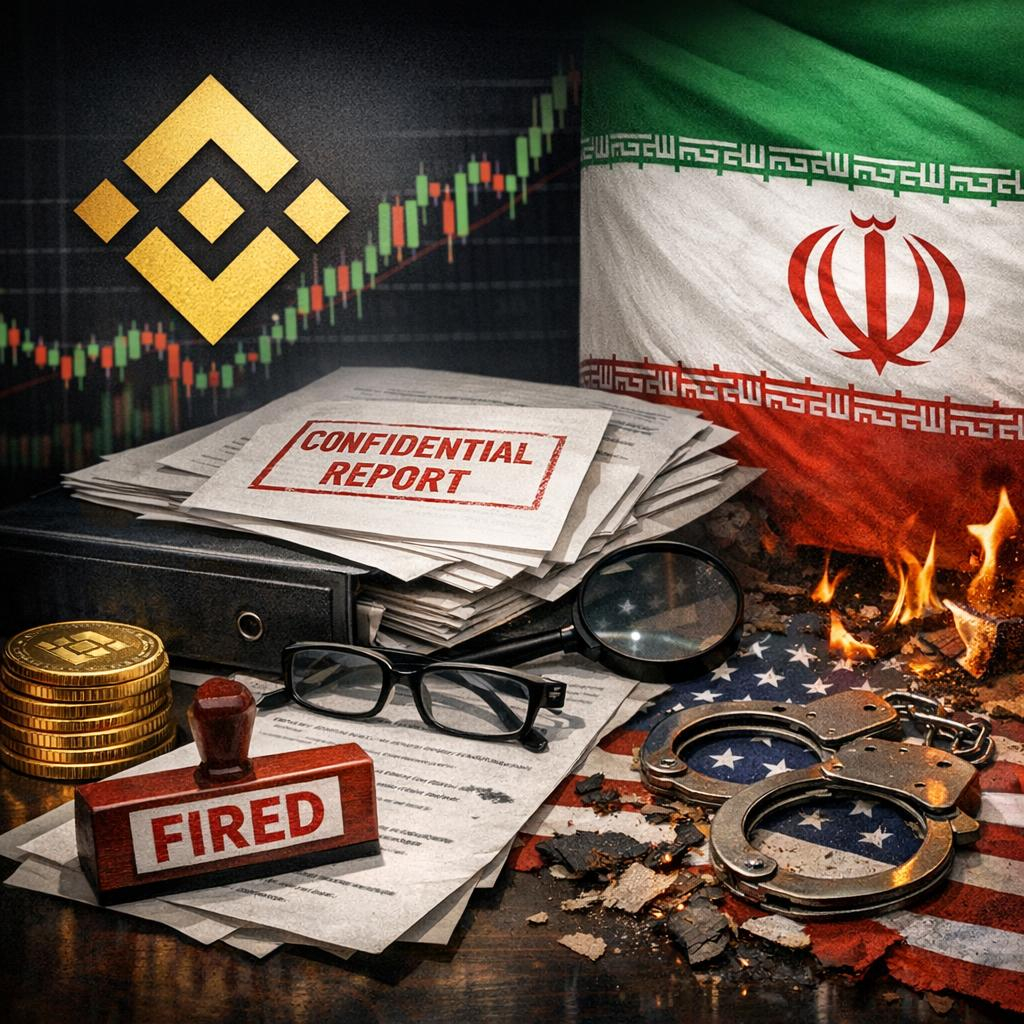

The world’s largest cryptocurrency exchange, Binance, is facing increased scrutiny following an exclusive report published Friday by Fortune that raises new questions about the exchange’s internal compliance controls and sanctions monitoring.
Alleged sanctions violations
According to several sources and internal documents examined According to the publication, members of Binance’s compliance team identified transactions suggesting that Iran-linked entities received more than $1 billion through the platform between March 2024 and August 2025.
The transfers were reportedly made using the stablecoin Tether (USDT) on the Tron blockchain. If confirmed, such activity could constitute a potential violation of U.S. sanctions laws.
The report states that after internal investigators documented their findings and submitted their reports through official channels, at least five members of the compliance team were fired starting in late 2025.
Among those reportedly fired were professionals with prior law enforcement experience in Europe and Asia. At least three of them had held senior positions within Binance, overseeing special investigations and global financial crime investigations.
In addition to these firings, the report said at least four other top compliance officials have resigned or been forced out in the past three months. The individuals cited by Fortune spoke anonymously, raising concerns about potential legal repercussions.
Robert Appleton, a partner at the law firm Olshan Frome Wolosky, who previously headed sanctions and Iran-related cases at the US Department of Justice (DOJ), called the situation surprising.
“It’s pretty shocking that this happened under the watch of (Binance’s) internal investigators,” Appleton told the magazine, referring to government oversight imposed on the company following previous enforcement actions.
Former Binance CEO pushes back against new allegations
The latest controversy unfolds against the backdrop of Binance’s major legal settlement in 2023. That year, the exchange pleaded guilty to violations of fight against money laundering (AML) and know your customer (KYC).
As part of the resolution, the exchange’s co-founder Changpeng Zhao (CZ) resigned as CEO and Binance accepted government-mandated oversight aimed at strengthening its compliance framework and paving the way for what the company described at the time as a new era of “regulatory maturity.”
Zhao publicly rejected the assertions raised in the recent report. In his remarks on the article, he said he did not have detailed knowledge of the situation, but maintained that the account seemed inconsistent.
The former executive suggested that even if the allegations were accurate, another interpretation could be that the investigators were fired for failing to prevent the alleged transactions.
Zhao also questioned whether third-party anti-money laundering tools – similar to those used by law enforcement – had identified the transactions in question. Although he no longer runs Binance, Zhao said that during his tenure, every transaction was reviewed by multiple external agencies. AML monitoring systems.
He further criticized the reliance on anonymous sources, suggesting that anonymous accounts can be used to construct negative narratives, particularly if the individuals involved are dissatisfied or have ulterior motives.
Featured image from OpenArt, chart from TradingView.com
Editorial process as Bitcoinist focuses on providing thoroughly researched, accurate and unbiased content. We follow strict sourcing standards and every page undergoes careful review by our team of top technology experts and seasoned editors. This process ensures the integrity, relevance and value of our content to our readers.


