



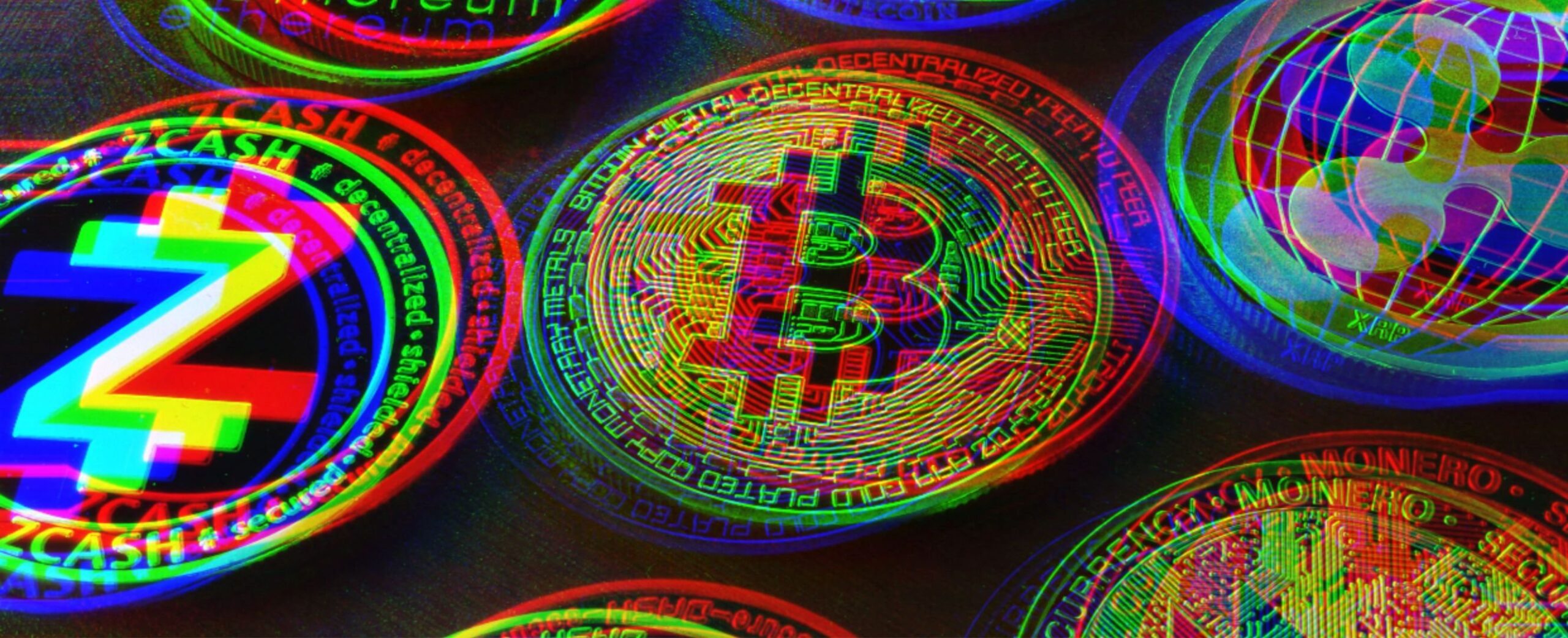
Crypto assets have been around for over a decade, but only now have efforts to regulate them become a policy priority. This is partly because only in recent years have crypto assets moved from being niche products in search of a purpose to a more mainstream presence as speculative investments, hedges against weak currencies, and potential payment instruments.
The dramatic, albeit volatile, growth in the market capitalization of crypto assets and their intrusion into the regulated financial system has led to increased efforts to regulate them. The same goes for the expansion of the many different crypto products and offerings and the evolution of innovations that have made issuance and transactions easier. The failures of cryptocurrency issuers, exchanges and hedge funds, as well as the recent decline in cryptocurrency valuations, have given new impetus to the push for regulation.
Applying existing regulatory frameworks to crypto assets, or developing new ones, is challenging for several reasons. To begin with, the crypto world is evolving rapidly. Regulators are struggling to acquire the talent and build the skills needed to keep pace, given limited resources and many other priorities. Monitoring crypto markets is difficult because data is spotty and regulators struggle to keep tabs on thousands of players who may not be subject to usual disclosure or reporting requirements.
Play catch-up
To complicate matters, the terminology used to describe the many different activities, products and stakeholders is not globally harmonized. The term “crypto asset” itself refers to a wide range of digital products that are privately issued using similar technology (cryptography and often distributed ledgers) and which can be stored and traded primarily using digital wallets and exchanges.
Actual or planned use of crypto assets may simultaneously attract the attention of multiple national regulators – for banking, commodities, securities, payments, among others – with fundamentally different frameworks and objectives. Some regulators may prioritize consumer protection, others safety and soundness or financial integrity. And there are a whole host of crypto players (miners, validators, protocol developers) who are not easily covered by traditional financial regulation.
Entities operating in financial markets are generally authorized to undertake specified activities under specified conditions and within a defined scope. But the associated governance, prudential, and fiduciary responsibilities are not easily transferred to participants, who may be difficult to identify due to the underlying technology or who may sometimes play an occasional or voluntary role in the system. Regulation may also need to consider resolving conflicting roles that have become concentrated in certain centralized entities, such as crypto exchanges.
Finally, in addition to developing a framework capable of regulating both crypto ecosystem players and activities, national authorities may also need to take a stance on how the underlying technology used to create crypto assets compares to other public policy objectives – as is the case with the enormous energy intensity of “mining” certain types of crypto assets.
Essentially, crypto assets are simply codes stored and accessed electronically. They may or may not be backed by physical or financial collateral. Their value may or may not be stabilized by being pegged to the value of fiat currencies or other prices or objects of value. In particular, the electronic lifecycle of crypto assets amplifies the full range of technology-related risks that regulators are still working to incorporate into traditional regulations. These are primarily cyber and operational risks, which have already manifested themselves through several high-profile losses due to hacking or accidental loss of control, access or records.
Some of these might have been less of a concern if the crypto asset system had remained closed. But that is no longer the case. Many functions of the financial system, such as providing leverage and liquidity, lending, and storing value, are now imitated in the crypto world. Traditional players are competing for funding and clamoring for a piece of the action. All of this is leading to growing calls for the “same activity, same risk, same rule” principle to be applied, with necessary changes, to the crypto world, increasing pressure on regulators to act. This also poses another problem for public policy. How far can the two systems be integrated before there is a call for the same central banking facilities and safety nets in the crypto world?
Contrasting national approaches
It is not that national authorities or international regulators have been inactive: in fact, much has been done. Some countries (such as Japan and Switzerland) have amended or introduced new legislation covering crypto assets and their service providers, while others (including the European Union, United Arab Emirates, United Kingdom and United States) are in the drafting stage. But national authorities have, overall, taken very different approaches to crypto asset regulatory policy.
At one extreme, authorities have banned the issuance or holding of crypto assets by residents or the ability to transact in them or use them for certain purposes, such as payments. At the other extreme, some countries have been much more welcoming and have even sought to encourage companies to develop markets for these assets. The resulting fragmented global response neither ensures a level playing field nor protects against a race to the bottom as crypto players migrate to friendlier, less regulatory jurisdictions, while remaining accessible to anyone with access to the internet.
The international regulatory community has not stood idly by either. Initially, the main concern was to preserve financial integrity by minimizing the use of crypto assets to facilitate money laundering and other illegal transactions. The Financial Action Task Force moved quickly to provide a global framework for all virtual asset service providers. The International Organization of Securities Commissions (IOSCO) has also issued regulatory guidance on crypto exchanges. But it was the announcement of Libra, billed as a “global stable currency,” that captured the world’s attention and gave new impetus to these efforts.
The Financial Stability Board has started monitoring crypto asset markets; released a set of principles to guide the regulatory treatment of global stablecoins; and is currently developing guidelines for a broader range of crypto assets, including uncollateralized crypto assets. Other standard setters are following suit, with work on the application of financial market infrastructure principles to systemically important stablecoin arrangements (Committee on Payments and Market Infrastructures and IOSCO) and on the prudential treatment of banks’ exposures to crypto assets (Basel Committee on Banking Supervision).
The regulatory fabric is being woven and a pattern should emerge. But the worry is that the longer it takes, the more national authorities will be locked into different regulatory frameworks. This is why the IMF calls for a global response that is (1) coordinated, so that it can close the regulatory gaps that arise from inherently cross-sectoral and cross-border emissions and ensure a level playing field; (2) consistent, so that it aligns with traditional regulatory approaches across the full spectrum of activities and risks; and (3) comprehensive, so it covers all players and all aspects of the crypto ecosystem.
A global regulatory framework will bring order to markets, help build consumer confidence, set the limits of what is permitted and provide a safe space for the pursuit of useful innovation.


