



In the latest Russian crypto news, the European Union has issued its 20th sanctions package against Russia, and this one is hitting the crypto sector in an unprecedented way. Rather than blacklisting individual exchanges or wallets, the EU targeted the entire Russian cryptocurrency sector, including the Russian central bank’s digital currency, the digital ruble, a ruble-backed stablecoin called RUBx, and a Kyrgyz exchange called Meer that helped funnel Russian money through the global financial system.
The detail missing from most headlines is what this shift from targeted designations to industry-wide bans actually requires of exchanges, compliance teams, and everyday users. Blockchain intelligence firm Chainalysis put it bluntly: “The permissive operating environment for Russia-related crypto activities is shrinking, and the application infrastructure to support this is firmly in place. » By the end of this article, you will understand exactly what this means – and what it could mean for your own access to the exchange.
Beijing strongly condemned the European Union’s 20th package of sanctions against Russia after blacklisting Chinese companies, calling the move unilateral, given that it lacks “the authorization of the United Nations Security Council, as well as that of the so-called… pic.twitter.com/QURpZeXsCR
– Vice President (@VocalPolitics1) April 27, 2026
What the EU’s sectoral crypto ban in Russia really changes
Think of the old approach, like a restaurant refusing to serve specific people on a no-fly list. The new approach is more like a restaurant refusing to serve anyone from an entire region — and then telling every food supplier in the country not to deliver there either. This is the move from individual designations to sector-wide application.
In practice, the 20th package prohibits any individual or EU institution from carrying out transactions with any Centralized or decentralized Russian crypto entity – not just those that have been named individually. This represents a significantly greater compliance burden. Previously, an exchange could filter a list of sanctioned wallet addresses and entity names. Now, compliance teams must assess whether a platform has an “operational nexus” in Russia, even if it is registered in Kyrgyzstan, Kazakhstan or Dubai.
The inclusion of Meer, a Kyrgyz exchange offering trading pairs for A7A5, a ruble-pegged stablecoin ecosystem that has moved $93.3 billion in volume in less than a year, indicates that the EU is ready to go well beyond its own borders. Chainalysis reported high designation risk for exchanges based in Central Asia, the Caucasus, and the United Arab Emirates.
The digital ruble and RUBx bans will come into effect on May 24, 2026. Russia’s planned mass rollout of its CBDC is not expected until September 2026, meaning there is a roughly three-month window during which pressure to accelerate these restrictions could actually accelerate activity rather than suppress it.
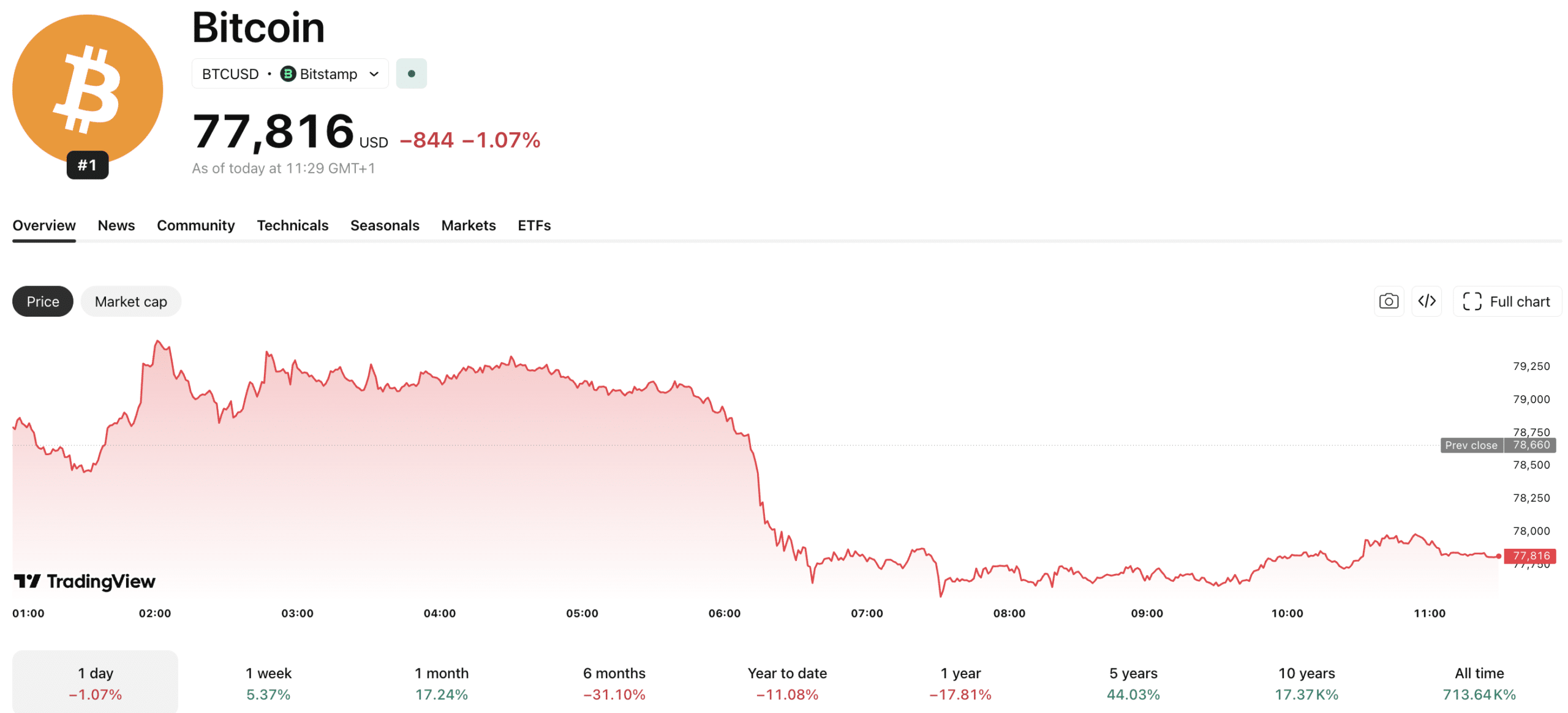
(SOURCE: TradingView)
Why this enforcement boost is harder than it really seems
The optimistic view is that the EU, through its comprehensive framework established under the Markets in Crypto-Asset (MiCA) Regulation, which came into force in December 2024, succeeds in limiting Russia’s access to compliant global crypto infrastructure. Sanctioning a Kyrgyz stock exchange sets a precedent for targeting any third-country platform that helps sanctioned entities.
On the other hand, skeptics emphasize the structure of Russian trade. After the EU sanctioned Garantex in March 2025, it was quickly renamed Grinex and continued to use the same A7A5 stablecoin. Despite being targeted to facilitate war activities, the crypto ecosystem has processed nearly $100 billion in volume.
The main challenge lies in the gap between designation and detection. Identifying Russian ownership of newly registered shell companies often requires due diligence that smaller exchanges lack. Sanctioned jurisdictions have historically found ways to circumvent restrictions through third-country intermediaries, aided by the nature of crypto transfers, which obscure ownership.
What enforcement of EU crypto sanctions means for your exchange and wallet
#Crypto EU banned all Bitcoin and crypto transactions with Russian and Belarusian providers under 20th sanctions package
• Bans all Russian-based exchanges (CEX and DEX).
•Prohibits transactions with the digital ruble and RUBx.
•Targets "anti-circumvention" hubs in Central Asia/UAE. pic.twitter.com/pX8y9OmaoO– The Profit Matrix (@T_profit_matrix) April 26, 2026
If you use an EU regulated exchange, expect greater scrutiny under MiCA, which requires extensive checks on the identity of counterparties. If a platform cannot prove that it has no connection to Russian operations, EU exchanges can block transactions with it.
For non-EU exchanges in Central Asia, the Caucasus or the UAE, monitor regulatory changes. Meer’s inclusion indicates that being registered outside the EU offers no protection from compliance requirements, as regulations increasingly target wallet providers and exchanges, regardless of their location.
If you hold RUBx, digital ruble, or any other ruble-linked asset, be aware of the deadline of May 24, 2026, as compliant platforms must stop facilitating these assets. This could lead to liquidity problems before the official ban takes effect, as exchanges could preemptively delist them.
The effectiveness of the EU regulatory framework in limiting crypto flows linked to Russia remains unclear. If new platforms emerge faster than they can be regulated, the situation could escalate without addressing the underlying fraud. The rollout of the digital ruble in September 2026 will provide a crucial test of the viability of a pre-emptive ban on CBDCs.
EXPLORE: Find the Top-Ranked Crypto Presales on 99Bitcoins
Follow 99Bitcoins on X, YouTube and Telegram for more cryptocurrency news and analysis.
Post-Russia Crypto Sanctions Set to Be Tightened by EU appeared first on 99Bitcoins.


