



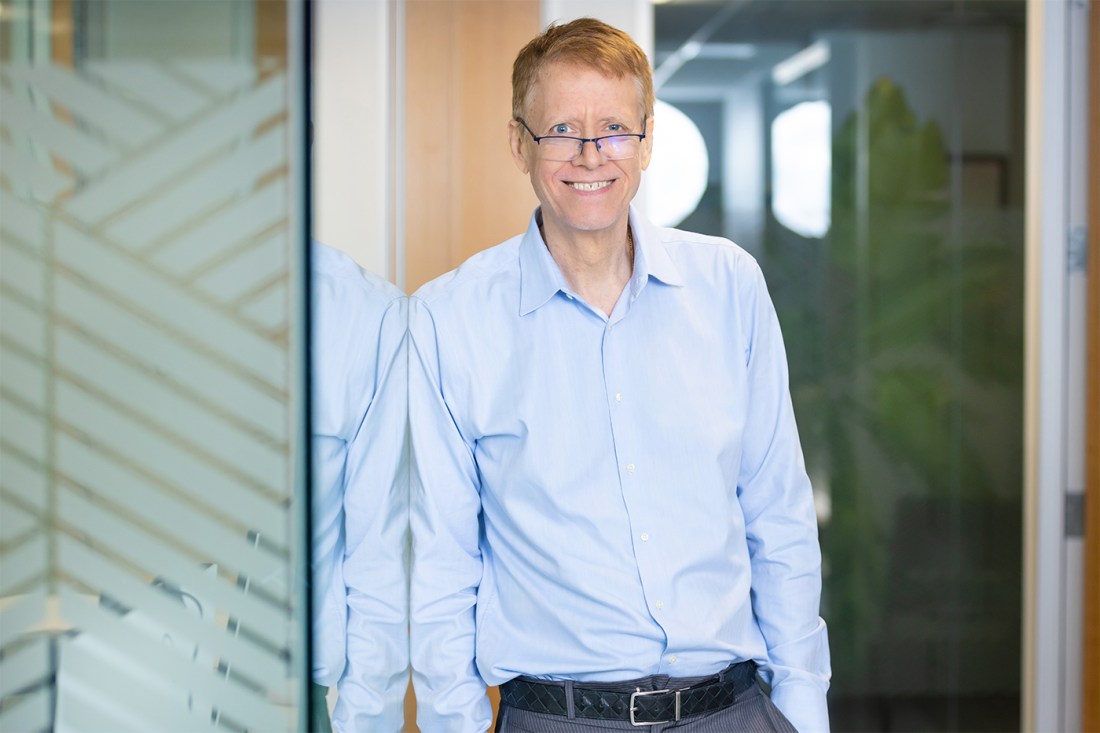
The hope is to create an ecosystem of moderate AI not by statistical assumptions, but by logic, rules and transparency, explains David de Hilstier, professor at the northeast engineering college.

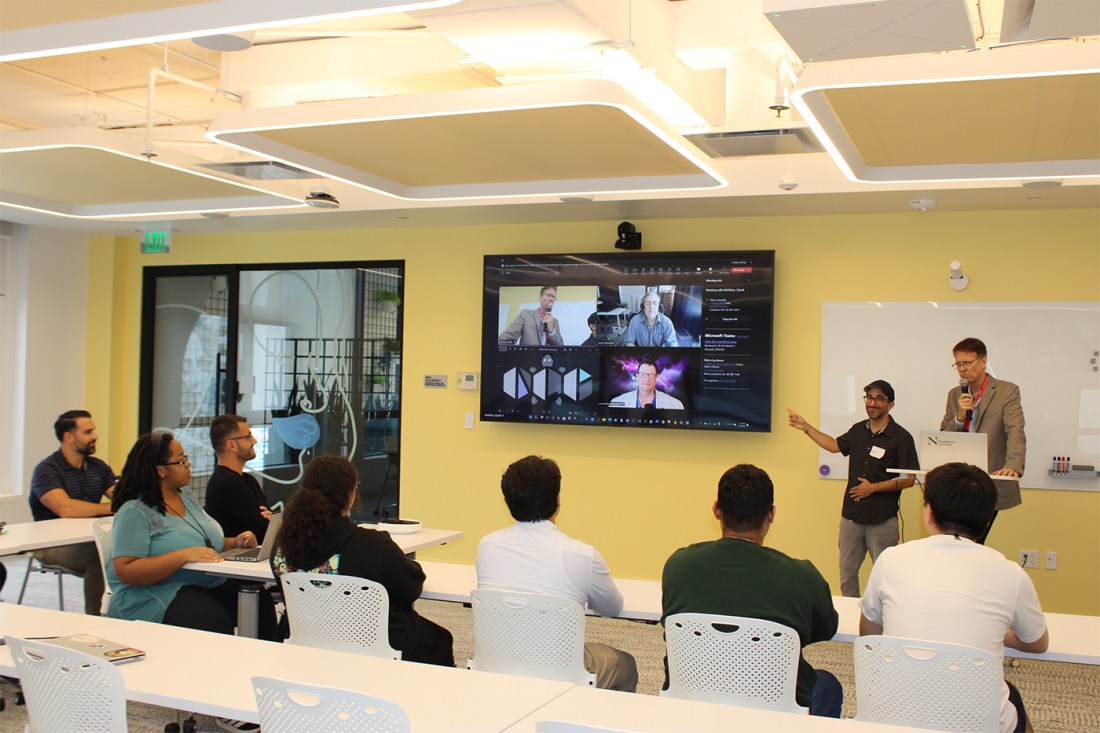
This fall, students of the Northeastern University Miami campus will have the opportunity to join a new club with an ambitious mission: to design and build decentralized AI systems using the blockchain and a programming language called NLP ++.
The club – open to all students – is launched by David de Hilster, engineer teacher and long -standing developer of the computer language. It will serve as a collaborative center for students interested in AI, the language and the distributed systems, and will be responsible for creating the fundamental framework to integrate the logical programming language of Hilster into the blockchain.
The hope is to create an AI ecosystem directed not by statistical assumptions, but by logic, rules and transparency, he says.
“The objective is to create an open and decentralized ecosystem to develop, maintain and use linguistic resources – for each field of human and subject,” explains Hilstier. “Without the blockchain, NLP ++ is an autonomous programming language. With the blockchain, NLP ++ becomes filled with dictionaries, knowledge and algorithms that work on a human level and reliably.”
Product of the modern web, a blockchain is a large decentralized and distributed book that stores transaction recordings in a group of computer systems. Cryptocurrencies such as Bitcoin and Ethereum are built on the blockchain.
Twenty-five years ago, from Hilstier decided to develop a method for computers to analyze and interpret the text in the same way that humans think. The result was the treatment of natural language ++, or NLP ++, a computer programming language that he co-developed.
He said that it could one day be used to create digital assistants who use logic and reflection based on rules to answer questions – notable depression compared to technologies based on probabilities that feed popular chatbots today like Chatgpt, Gemini and Claude.
Although NLP ++ can provide the foundation, just as important is the data necessary to create these AI -based systems. But high quality data collection can be difficult, especially if it is done manually, in collaboration and transparent – this is where the blockchain enters.
One of the main advantages of the blockchain, known as Hilstier, is that it is not exploited or held by a single private entity. Decentralized nature guarantees transparency and allows open access to all linguistic resources built on the NLP ++ platform.
“The idea will be that when we have people who write algorithms to do something – let’s say an intelligent agent for sport – then write this in NLP ++ as part of the blockchain, people can use it,” he said.
Below, from Hilstter and his team plan to create a PNL part to financially encourage contributors to develop and maintain these resources.
While the club will start to design the system this fall, the fully implementation of NLP ++ in the blockchain will probably take years. But De Hilster thinks that the gain could be transformer.
Unlike chatgpt and similar tools, a digital assistant built with NLP ++ would not be based on large sets of data and probabilistic models to generate responses. Instead, it would exploit the structured and hosted rules and logic of blockchain – operating more as human reasoning than a predictive machine, says of Hilstier.
“We want to make a trustworthy NLP, and the way you do it is that you have to do it like humans – humans do not use probabilities by reading a lot to understand,” said Hilster. “We have rules. If I give you 100 sentences in English, each person who speaks English could tell me those who are and which are not. ”


