



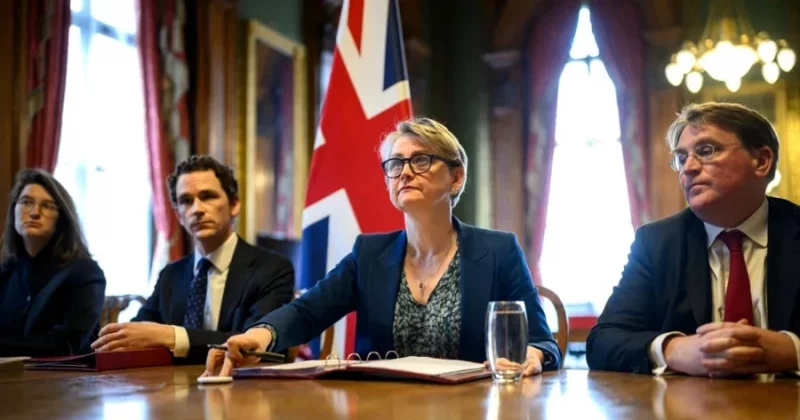
The British government dropped the hammer on a criminal network linked to Iran on May 11, 2026, sanctioning 12 individuals and entities accused of planning attacks in the United Kingdom and operating illicit financial circuits intended to dodge international sanctions.
The targets are linked to the Zindashti criminal network, a group that British authorities say orchestrated hostile activity on British soil while simultaneously operating a shadow banking apparatus to funnel money around Western restrictions on Iran.
Who was sanctioned and why
Among the most prominent targets are members of the Zarringhalam family, accused of laundering billions through informal banking networks that operate outside of conventional financial oversight.
Two Iranian exchange houses, Berelian Exchange and GCM Exchange, were also cited. These entities allegedly provided the financial system that allowed sanctioned Iranian interests to move money internationally, serving as a workaround to the formal banking system that has largely isolated Iran.
The measures imposed include asset freezes and travel bans. Any assets these individuals or entities hold under UK jurisdiction are now locked down and the named individuals cannot enter or transit through the UK.
What makes this action remarkable is the dual nature of the allegations. This is not just a fight against financial crime. The British government draws a direct line between money laundering operations and the planning of physical attacks, suggesting that financial networks were funding operational activities that posed a direct threat to the security of the British population.
The broader geopolitical chess match
These British sanctions did not appear in a vacuum. They align with similar measures taken by the United States targeting Iran’s ability to access funds, particularly revenues generated from oil sales, and to support operations linked to the Islamic Revolutionary Guard Corps.
The UK has sanctioned more than 550 people and organizations since 2022 for activities including assassination plots and kidnappings, reflecting ongoing Western efforts to diminish Iran’s global influence.
The focus on shadow banking networks signals a shift in strategy. Western governments appear increasingly keen to stifle the informal financial channels that allow sanctioned regimes to continue operating despite official restrictions.
In this context, shadow banking refers to financial services that operate outside regulated banking channels, including exchange houses, hawala networks and informal ledger systems that leave little paper trail. The Zarringhalam family’s alleged role is said to involve laundering billions, a scale that suggests financial engineering at an institutional level rather than opportunistic money movement.
What this means for the financial landscape
By publicly naming specific individuals and entities, the UK government is putting the entire financial ecosystem on notice. Banks, payment processors and financial institution compliance teams around the world now have a list of names to check. Any institution caught facilitating transactions for these sanctioned parties faces severe penalties.
This action focuses directly on traditional shadow banking practices, particularly exchange houses and informal banking networks, rather than digital asset channels.


