




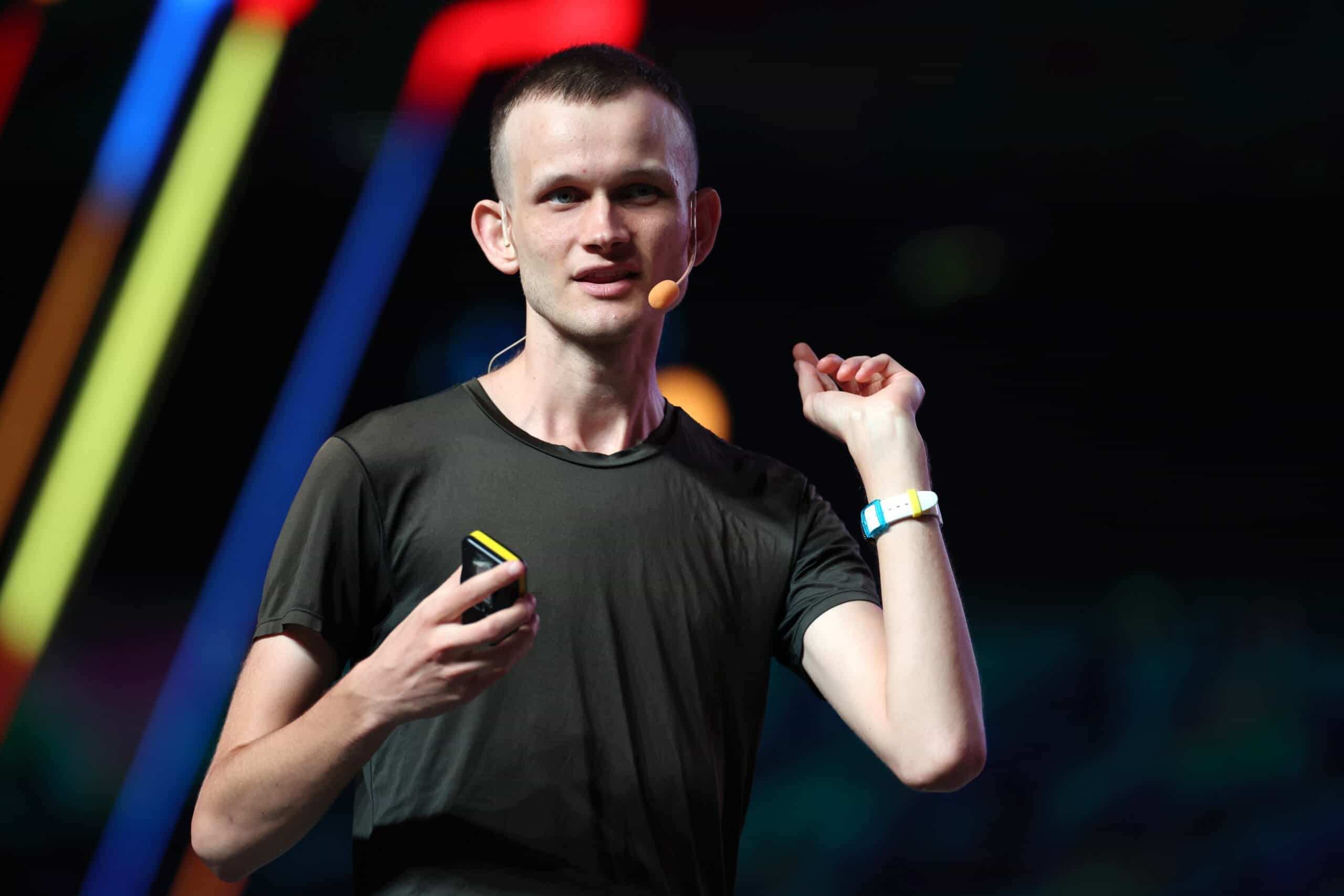
Buterin proposed AI-assisted wallets in which algorithms suggest transaction plans but users must manually confirm large transfers.
Vitalik Buterin shared his views on how artificial intelligence (AI) could redefine the next generation of Web3 wallets.
He also proposed a model in which humans remain directly involved in approving high-value transactions.
AI will shape new crypto wallets
The Ethereum co-founder shared his views on decentralized social media platform Farcaster, noting that it is “pretty obvious” that the next iteration of wallets will heavily involve AI.
Despite this, Buterin added that he would not trust LLMs with multi-million dollar transactions or control of large sums of money. Instead, he proposed an approach in which AI systems assist users while leaving the final decision in the hands of humans.
He described an optimal workflow in high-value situations that would involve an AI system coming up with a plan, after which a local thin client would simulate the transaction. The person would then review the intended action and required outcome before manually confirming it.
However, Buterin cautioned that this approach should be implemented conservatively and with a strong emphasis on safety. He suggested that one way to achieve this is to remove decentralized application interfaces from the transaction process. By completely eliminating dApp user interfaces from the flow, the system could reduce several attack vectors associated with theft and privacy risks.
The 32-year-old has previously explained how cryptocurrency and AI could evolve together. He envisions blockchains and technology working hand-in-hand, with crypto providing the trust, privacy and economic infrastructure it needs to operate securely and fairly.
You might also like:
Proposed AI-assisted portfolio workflows
Other developers and community members responded to Buterin’s comments by describing potential implementations of the idea.
Ethereum developer Andrey Petrov suggested two additional scenarios. In the first case, a user initiates a transaction as usual while the AI analyzes the payload about to be signed. The technology would then attempt to guess their intended action and explain it in simple language, allowing them to confirm whether the transaction accurately reflected what they wanted to do.
In the second case, the user directly declares the action he is considering or relies on the explanation generated during the first step. The AI then attempts to reconstruct the transaction independently, without referencing the original amount, to determine whether it achieves the same result. He explained that any differences between the two would highlight areas that require further review before the process is finalized.
Another Farcaster user, identified as fkaany, described a framework in which AI plans complex crypto strategies such as multi-hop trades, yield optimization, and gas minimization.
This would involve a local thin client simulating the result, allowing individuals to view a clear summary and manually confirm the transaction, helping to reduce risks from blind signing, phishing interfaces and malicious dApp payloads.
Binance Free $600 (CryptoPotato Exclusive): Use this link to create a new account and receive an exclusive $600 welcome offer on Binance (all details).
LIMITED OFFER for CryptoPotato readers at Bybit: Use this link to sign up and open a FREE $500 position on any coin!


