



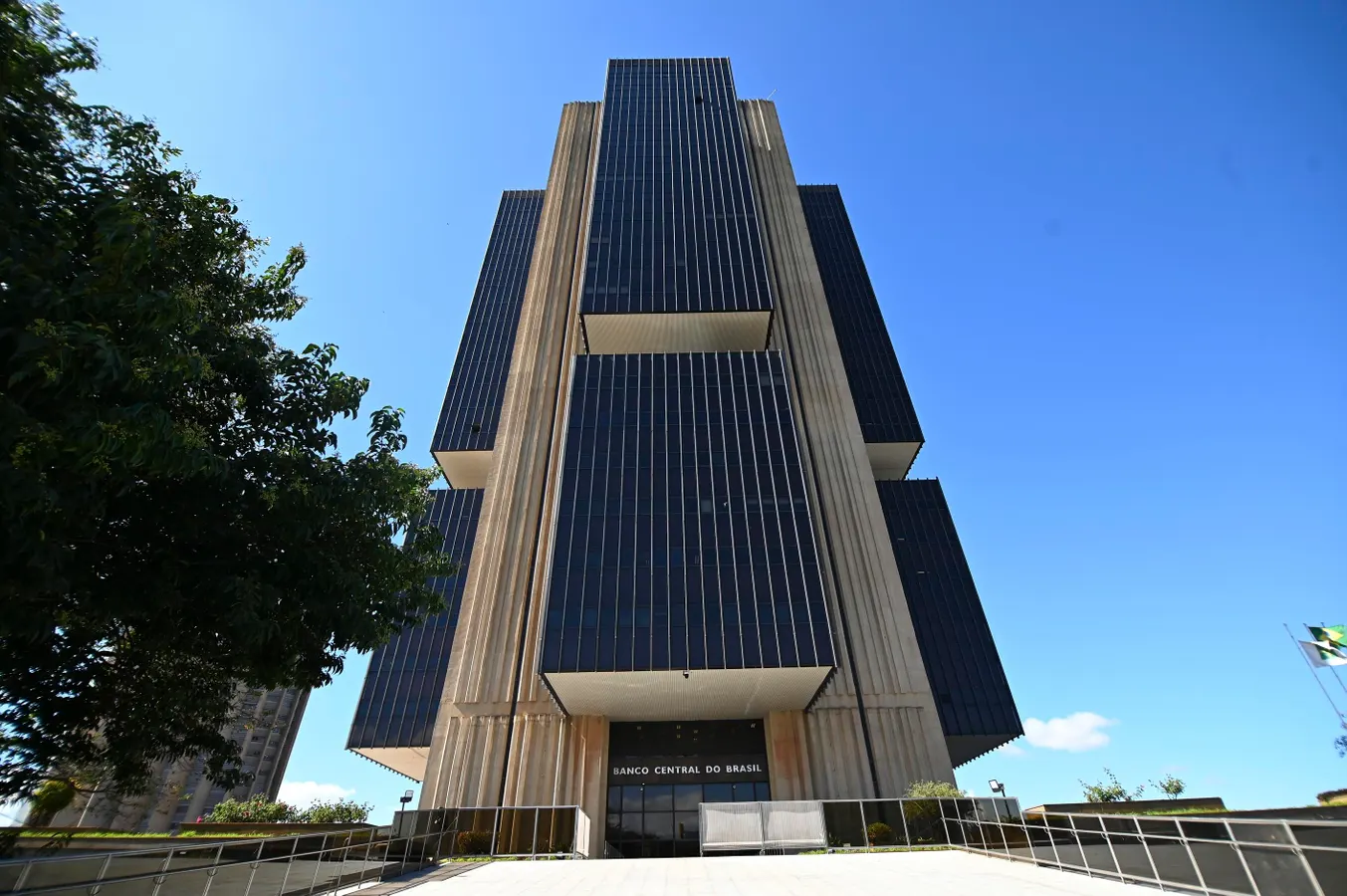

This Wednesday, June 19, 2024, in Brazil, the Central Bank of Brazil, through Copom, decides whether it will maintain the Selic interest rate at 10.5% per year or whether it will take into account the pressure from Brazilian President Luiz Inacio Lula da Silva to reduce the base interest rate. (Photo by Ton Molina/NurPhoto via Getty Images)
NurPhoto via Getty Images
After a three-year wait, the Central Bank of Brazil has published its comprehensive regulatory framework for cryptocurrency and stablecoin companies operating in the country. These licensing requirements will fundamentally reshape the country’s digital asset landscape.
The regulations, which take effect on February 2, 2026, officially integrate crypto companies into the traditional financial system and make Brazil one of the most strictly regulated digital asset markets in the world. But the rules come with a significant price tag that industry executives say could force widespread consolidation.
Capital requirements for VASPs shock the market
The most controversial element of the framework is a prudential capital requirement ranging from 10.8 million reais to 37.2 million reais (US$2 million to US$7 million), depending on the risk level of operations. These figures are ten times higher than those proposed during the last public consultation.
“One of the things we really want to address is creating some form of timeline for this minimum regulatory capital to be incorporated into the company,” said Carlos Eduardo Russo, CEO of Bluegreen and head of the government relations team at lobbying group ABToken, during a podcast interview with me for Brazil Crypto Report.
“So instead of needing 15 million reais at the start, companies can gradually contribute to their (reserves) and have at least two years to complete the final contribution.”
The strict requirements particularly favor large exchanges, traditional banks like Nubank and Itaú, and established brokerages like XP Investimentos, while potentially excluding smaller players from the market.
“This is a high amount compared to what was required of the first fintechs in Brazil,” Isac Costa, president of the Brazilian Institute of Innovation and Technology, said in a statement.
Bernardo Srur of ABCripto, another industry lobby group, called the overall framework “positive and necessary” but acknowledged that the capital requirements are difficult to swallow. He said in a statement: “It is important to ensure that regulation strengthens market confidence and integrity, but without creating disproportionate barriers that could limit competitiveness or discourage new entrants.”
Three licensing levels and strict compliance
The Central Bank has established three categories of Virtual Asset Service Provider (VASP) licenses: intermediaries that offer wallets and portfolio management, custodians that hold private keys, and exchanges that perform both functions simultaneously.
All categories must meet heightened security requirements following a series of frauds and hacks against Brazilian fintechs this year. The regulations impose anti-money laundering and anti-terrorism financing measures, information reporting regimes and prudential capital requirements that, until now, did not formally exist for the digital assets sector.
Gilneu Vivan, director of regulation at the Central Bank of Brazil, defended this approach. Speaking at a press conference where the framework was announced, he explained: “The crypto market is highly dependent on technology and has very important obligations related to the prevention of money laundering. All this requires guarantees as to its proper execution. »
Perhaps most importantly, the rules require complete asset segregation, with VASPs maintaining client assets in separate individual accounts, entirely separate from the company’s operating funds. Semi-annual independent audits and monthly reserve certificates will be mandatory.
Users can still withdraw assets to self-custodial wallets, although exchanges must first identify wallet owners and report this information to the Central Bank. This requirement did not sit well with local privacy advocates.
Gabriel Della, partner at Vault Capital, said in a statement: “This puts an end to anonymous self-custody. A controversial compromise between AML/CFT and investors’ right to privacy. »
Leveling the playing field
Although the regulations give “TradFi” institutions an advantage over crypto-native players, they address a long-standing complaint from Brazilian crypto exchanges regarding competition with international players who operate with lower compliance requirements.
“I think this regulation actually creates a level playing field for all (exchanges),” Russo explained. “When the central bank comes and creates the rules, and it’s the same rules for everyone, then you can no longer hear this complaint that foreign currencies come to Brazil with very loose compliance.”
Cesar Carvalho, partner at Batista Luz Advogados and director of government affairs at ABToken, noted that all entities will now face the same reporting obligations – both to the Central Bank and to the Brazilian tax authority. “Absolutely no loopholes,” he confirmed during a Brazil Crypto Report podcast when asked if foreign exchanges would be subject to the same tax reporting requirements as domestic players.
Foreign stock exchanges must comply with the new regime within 270 days or stop soliciting Brazilian customers. Those that do not obtain authorization within nine months must inform customers and guarantee the transfer of assets to approved providers.
Timing and implementation
Applications for authorization must be submitted within nine months of the February 2 effective date. The Central Bank provides for a period of three years between initial deposit and final authorization, taking place in two phases.
“After filing, companies will have to comply with many obligations,” Carvalho explained. “Cybersecurity, internal controls, risk management, AML and accounting standards. They will need to be ready to support the Central Bank in its reporting obligations during the first phase.”
Stablecoins and cross-border payments
The regulation formally integrates stablecoins into Brazil’s foreign exchange regime, treating cross-border crypto payments as foreign exchange transactions requiring Central Bank supervision. Although this does not automatically impose the IOF Financial Transaction Tax, experts believe that eventual taxation is very likely.
Nicole Dyskant, founder of regulatory startup RegDoor, called treating cross-border payments with stablecoins as foreign exchanges “the most controversial part of the regulation. It brings a compliance burden, but strengthens the integration between the traditional financial system and the virtual asset market.”
Rodrigo Borges of Carvalho Borges Araújo Advogados explained to local portal InfoMoney that the application of a financial transaction tax to crypto operations is practically inevitable.
“Any movement of virtual assets abroad or from abroad to here will be considered an exchange transaction, subject to foreign capital rules. There is now greater transparency and control over operations, which facilitates possible collection if that is in the interest of tax authorities.”
Reuters reported earlier this week that Brazil’s Finance Ministry was actively studying how it might tax cryptocurrency payments used in international transactions. Stablecoin transactions are currently considered a loophole in the current tax structure.
The framework prohibits algorithmic stablecoins without fiat backing, aligning with similar restrictions set forth in the GENIUS Act. Privacy coins like Monero and Zcash are also prohibited from being offered by Brazilian VASPs.
Future market consolidation
Industry observers predict significant market consolidation as smaller companies struggle to meet stringent requirements. In an interview with CoinTelegraph Brasil, lawyer Rafael Steinfeld says the requirements will crush the estimated 80% of Brazilian crypto companies classified as small or medium businesses.
Despite concerns about barriers to entry, industry associations largely support the framework as necessary for market legitimacy. “The new regulatory framework brings much more security to those investing in crypto assets in Brazil,” said Regina Pedroso, executive director of ABToken.
The regulations appear to place Brazil at the forefront of digital asset regulation in Latin America, although it remains to be seen whether they will strike the right balance between investor protection and market innovation in the years to come.


