




Jesse from Apex Crypto is making news because he claims that the price of XRP is being deliberately kept low. Its main exposure is a 2021 Citibank document that originally used the phrase “Regulated Internet of Value” before the terminology was quietly shifted to “Regulated Liability Network.” According to him, this change was made because the original wording made the connection with Ripple too obvious.
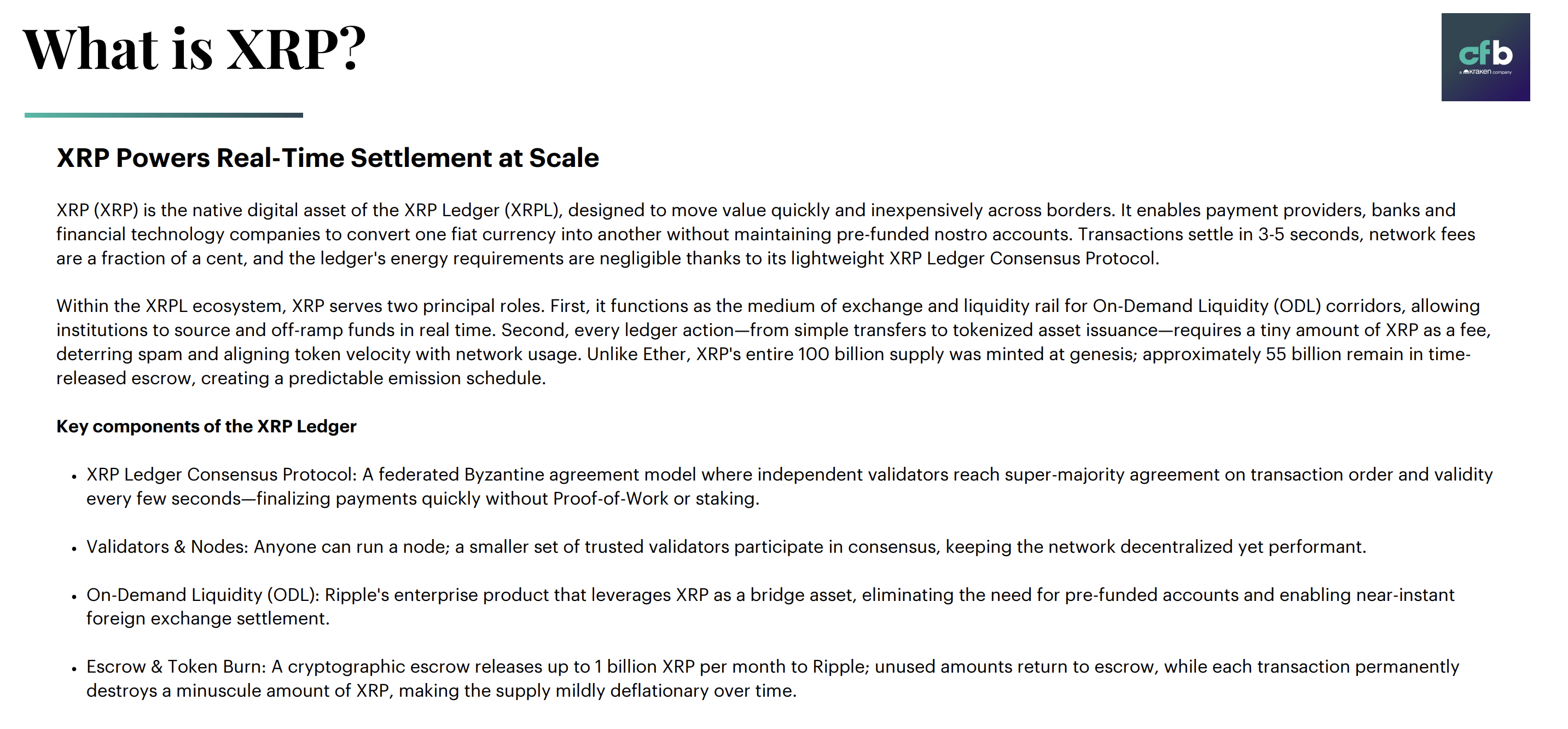
XRP’s price history gives the argument its apparent credibility. The token reached $3.84 during the 2018 bull run and touched $3.60 earlier in the current cycle. Between these two peaks, it spent the better part of a decade moving sideways while Bitcoin rose much further.

For a token with the institutional reach of Ripple and the design ambitions of the Interledger protocol, this flat trajectory is, at a minimum, a question worth asking. The Regulated Accountability Network, as described by Citibank’s Tony McLaughlin, is a shared ledger framework for tokenized bank deposits. This is a concept structurally close to what Ripple has been developing towards since the company’s inception.
Discover: The best crypto to diversify your portfolio
Beyond the XRP news: the Citibank document and the logic of institutional incentive
Jesse’s argument works like a causal chain: Citibank published a 2021 document using the phrase “regulated Internet of Value” that directly corresponds to Ripple’s own Internet of Value thesis and the Interledger Protocol. Later, Citi re-released the concept as the “Regulated Liability Network,” removing the Ripple association.
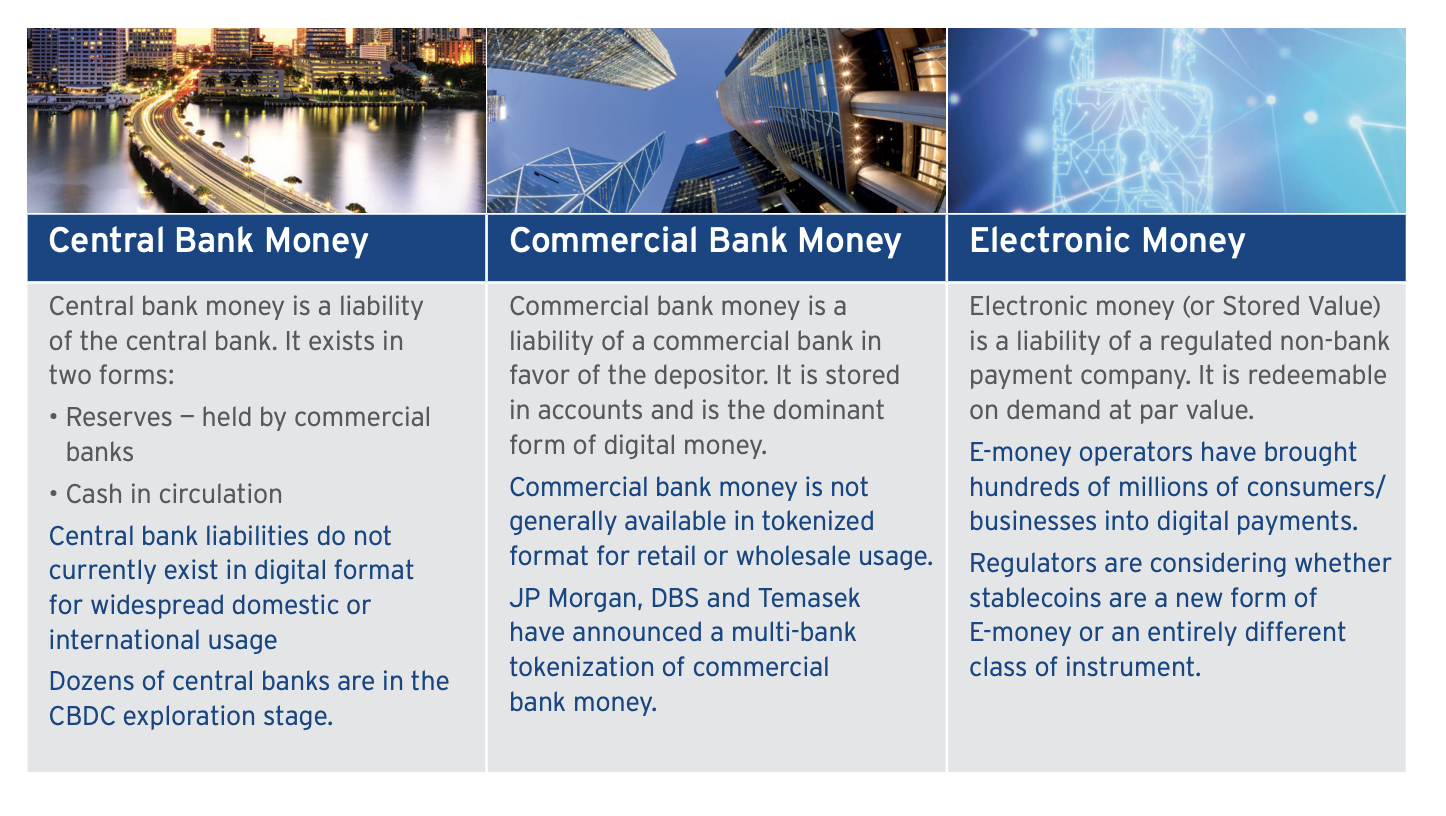
The chain extends further. McLaughlin has publicly described the Regulated Accountability Network and the shared ledger concept as being the same idea. The Bank for International Settlements has separately discussed a unified ledger architecture that could replace correspondent banking infrastructure and ultimately displace SWIFT as the backbone of cross-border settlement.
Jesse’s logic: If XRP or a derivative of the Ripple protocol sits under this infrastructure, the last thing institutional architects want is a highly volatile asset.
Ripple CEO Brad Garlinghouse publicly stated in the news that XRP’s multibillion-dollar daily volume made it too liquid for a single entity to control, and Ripple CTO David Schwartz pointed out that XRP’s performance tracks that of other large-cap altcoins.
BREAK:
BRAD GARLINGHOUSE, CEO of RIPPLE: “NO ONE IS IN A POSITION TO MANIPULATE $XRP PRICES. » pic.twitter.com/p511UTtR3S
– STEPH IS CRYPTO (@Steph_iscrypto) December 20, 2025
 BREAK:
 Importantly, the SEC’s approximately 18-month investigation prior to its 2020 enforcement action produced no findings of price manipulation by Ripple. Jesse does not present concrete evidence of a coordinated repression; his case rests on the interpretation of documents and circumstantial institutional connections, not on disclosed business records or regulatory filings.
The question, as Jesse himself asks it, remains unanswered. But the crypto research community has taken note: pattern matching between institutional settlement infrastructure and XRP’s decade of stable performance is no longer a fringe exercise.
Discover: the best token presales
The post XRP News: Is the price removed? Researcher Reveals Why Ripple Token Isn’t Skyrocketing appeared first on Cryptonews.


