



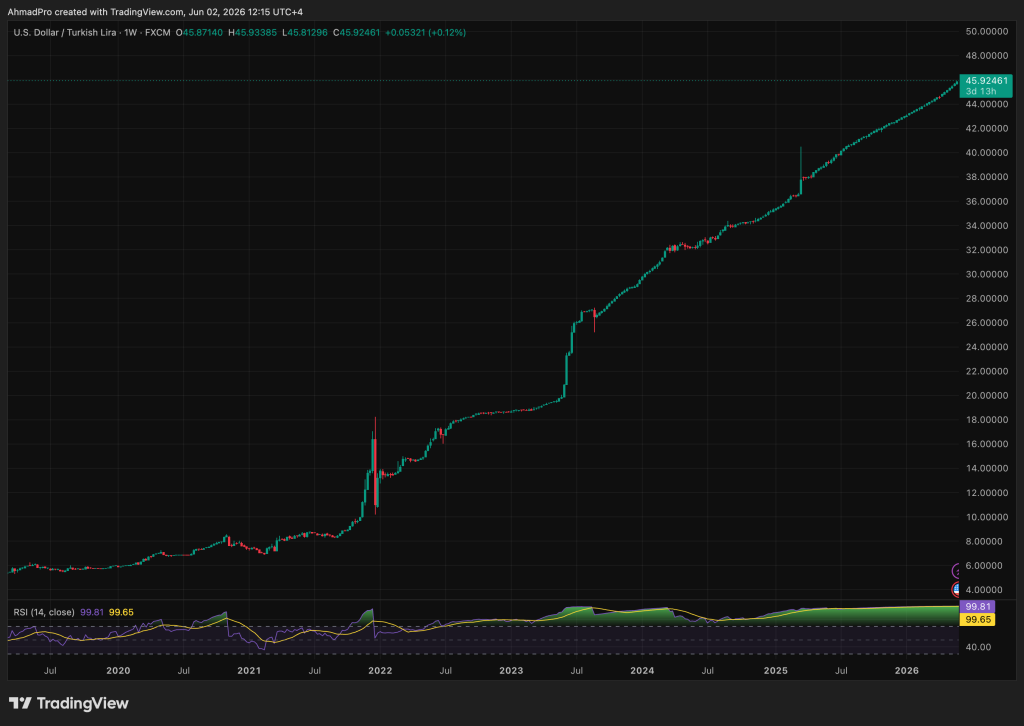
In the latest XRP news, Ripple is moving into Turkey with RLUSD, its dollar-backed stablecoin, targeting a market where inflation has made dollar-denominated assets a structural necessity rather than a speculative preference.
The company announced on June 2, 2026 that RLUSD is now available through three Turkish partners, BiLira, Bitexen and Bitlo, with the direct aim of capturing institutional and retail demand currently dominated by USDT and USDC.
This is not a soft launch. Turkey processes nearly $200 billion in annual crypto transaction volume, outpacing its regional peers by almost four times according to the Chainalysis 2025 Geography of Crypto report.
Ripple enters this market with a compliance-focused stablecoin, a $1.7 billion market cap built since late 2024, and a regulatory posture designed to align with Turkey’s own stricter supervisory framework.
The question is whether all this is enough to take market share away from incumbent operators with several years of liquidity and network roots.
Discover: The best crypto to diversify your portfolio
XRP News: Turkey’s Inflation Environment Makes Stablecoin Demand Structural, Not Cyclical
The Turkish lira has lost most of its value against the dollar over the past five years, squeezing purchasing power and making dollar-denominated savings accounts a priority for ordinary citizens and institutions.
Crypto adoption in Türkiye is not driven by a speculative appetite; it is motivated by the same economic logic that pushes populations to protect themselves against inflation when the credibility of the local currency erodes.
This context explains why Turkey ranks among the world’s leading markets for crypto adoption, and why stablecoins, particularly USDT, account for a disproportionate share of Turkish trading volume compared to assets like Bitcoin or Ethereum.
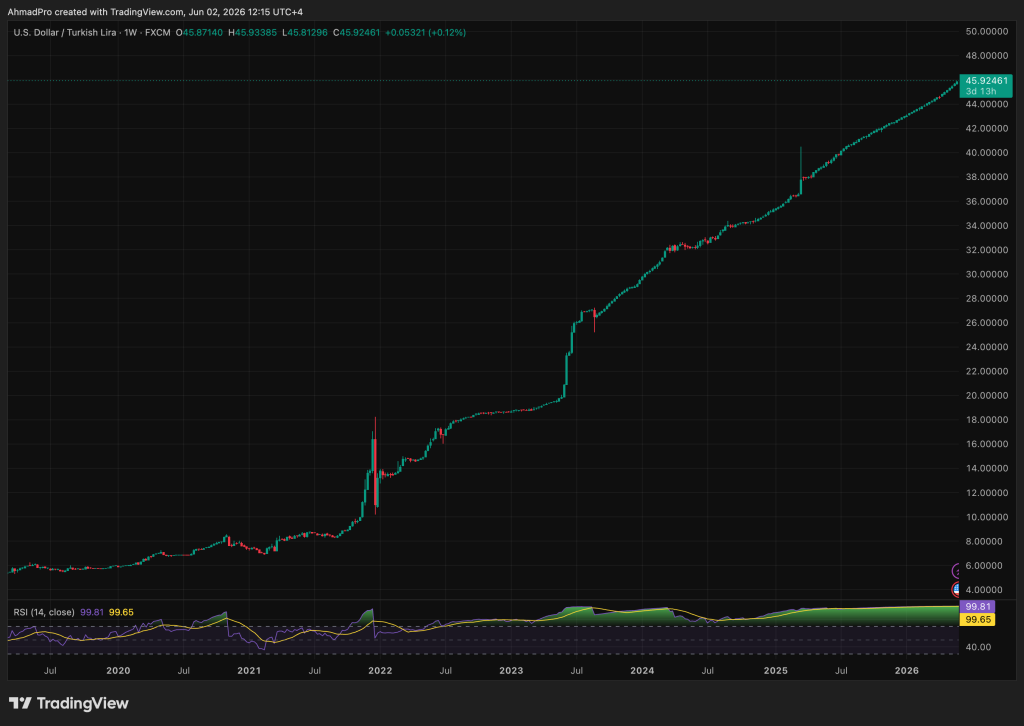
The Capital Markets Council implemented a comprehensive licensing framework in 2024, moving the market from unregulated retail to an institutional ecosystem with defined compliance requirements. This regulatory change is the opening that Ripple is going through.
BiLira, one of three new RLUSD partners, operates with a monthly trading volume of approximately $300 million and issues TRYB, a stablecoin pegged 1:1 to the Turkish Lira.
Its infrastructure sits directly at the intersection of local fiat liquidity and digital asset settlement, precisely the on-ramp architecture RLUSD needs to reach Turkish users at scale.
Structural demand is not in question. The question is whether RLUSD can convert this demand into real market share.
Discover: the best token presales
The post XRP News: Ripple Targets Turkey’s Inflation Market: Can RLUSD Beat USDT and USDC? appeared first on Cryptonews.


