



Key takeaways
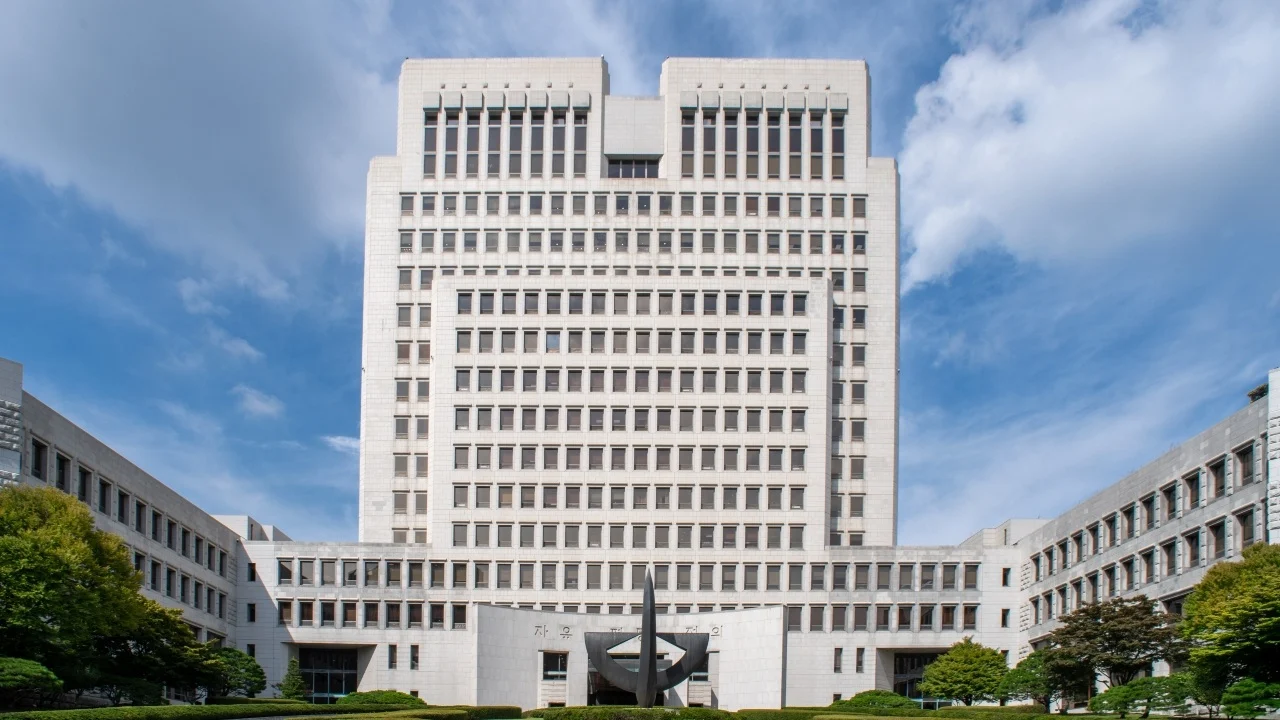
- South Korea’s Supreme Court announced draft civil enforcement rules aimed at systematically seizing and freezing bitcoins.
- The rules allow courts to convert illiquid tokens into highly liquid assets in order to stabilize the crypto market.
- The national judicial administration will collect public opinion until August 11, before deployment in October.
New rules on seizure of assets
South Korea’s Supreme Court announced a sweeping update to its civil enforcement regulations, establishing clear legal procedures for seizing, freezing and liquidating virtual assets like bitcoin during a civil dispute. According to a report, the amendments aim to unify enforcement protocols at all judicial levels and curb the growing tendency of debtors to siphon off their affairs. cryptocurrency active to escape court judgments.
Under the new rules, enforcement against a debtor’s virtual currency will officially begin with a judicial attachment order issued by the court. The order prohibits the debtor from disposing of the property and requires that it be transferred directly to an enforcement officer of the court. The seizure takes effect when the agent takes the property into custody.
The amendment also outlines specific methods for converting seized digital currencies into cash. Creditors can apply for a court-ordered “transfer order,” which allocates assets directly to the creditor based on a valuation determined by the court, or a “sale order.” If a sale order is issued, a bailiff can transfer the cryptocurrency on a dedicated account with a certified virtual asset service provider to liquidate it, or entrust the sale directly to the service provider.
Additionally, the rules grant courts the ability to exchange seized tokens for highly liquid cryptocurrencies to facilitate conversion to cash. To prevent debtors from transferring or selling their coins while a lawsuit is still pending, the Supreme Court has explicitly detailed preservation measures, including provisional seizures and injunctions freezing e-wallets.
The National Judicial Administration will collect public and legal opinions on the draft amendment until August 11, with full implementation planned for October.
“It is necessary to establish civil enforcement procedures that correspond to the legal nature and transaction structure of virtual assets,” the Supreme Court said, adding that the rules are designed to “ensure predictability and legal stability” in civil disputes.
By formally integrating cryptocurrency into the civil enforcement rules, the Supreme Court fills a critical gap left by recent legislative steps, transforming digital tokens from a highly speculative gray area into a standardized class of recognizable and exploitable financial assets.
The amendment builds directly on the foundation laid by South Korea’s Virtual Asset User Protection Act, which took effect in July 2024. Although this law successfully forced virtual asset service providers to segregate users’ funds, keep 80% of assets in cold storage, and monitor unfair trade practices, it primarily functioned as a framework to protect consumers and combat market manipulation.
The Supreme Court’s new rules now leverage the highly regulated infrastructure mandated by the 2024 Act to execute bankruptcy liquidations.


