




THORChain (RUNE) restarts. The decentralized cross-chain DEX, suspended since May 15 after a $10.7 million exploit emptied one of its vaults, is rolling out v3.19, its official reboot version, with mainnet adoption planned for the first week of June.
RUNE is trading between $0.38 and $0.41 at the time of writing, down sharply from pre-mining levels and -35% over the past 30 days. Its market capitalization is around $133 million, making it the 222nd largest digital asset.
$RUNE directly enters a strong resistance zone around $0.382 to $0.385.
This is where the risk of rejection is high.
If the bears defend this zone, RUNE may first calm down to $0.370 and then between $0.360 and $0.365. pic.twitter.com/rpEV0LXP5V
– ChiefraT (@ChiefraFba) June 9, 2026
The flagship addition waiting in the wings once trading resumes: Monero. XMR is confirmed as the first asset in the DEX queue, giving THORChain a privacy narrative that no other major cross-chain protocol can currently match. The community calls it a rebirth.
Here’s the central tension this article uncovers: v3.19 solves the immediate cryptographic problem and adds a truly unique asset. Whether this will be enough to undo months of damage caused by RUNE depends on execution, and THORChain’s execution track record is currently under trial.
TSS THORChain exploit explained and what V3.19 actually fixes
THORChain has entered the final restart phase
The excitement reaches another level.
Today, validators are voting to quarantine the compromised vault, one of the last critical security steps before THORChain can continue toward a full network restart.
This means…
– fincontrarian (@fincontrarian) June 9, 2026
 THORChain has entered the final restart phase
 THORChain uses a Threshold Signing System (TSS) in which multiple nodes must sign transactions, preventing a single node from moving funds independently.
An attacker exploited a flaw in the GG20 TSS implementation, exploiting undisclosed cryptographic weaknesses. Soda Labs confirmed that this was a zero-day vulnerability and had human cryptographers verify it, as AI models could not reproduce the attack.
The 3.19 release addresses this issue by patching the TSS library, resolving an approximately $10 million gap through a governance-approved migration, and initiating an 11-step reboot that takes approximately a week to fully resume operations. In addition, a $700,000 accounting problem was also resolved.
A controversial decision was to temporarily close the TSS library during the Soda Labs audit. THORChain member Kenton noted that this choice allowed for a faster recovery at the expense of transparency, sparking debate within the community. The library is expected to return to open source status in future releases.
EXCLUSIVE: Earn $10 USDC via Binance Signup
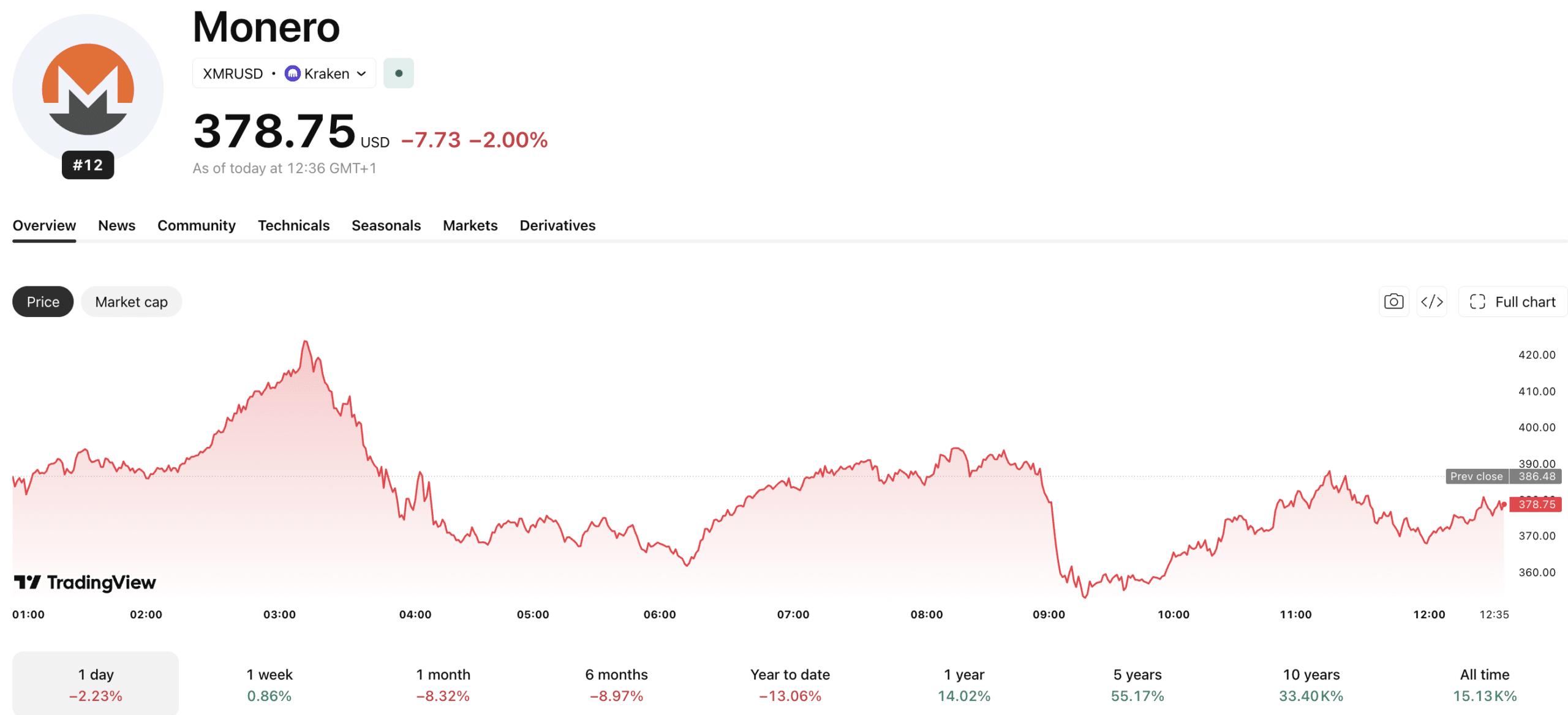
Why Monero first and if XMR can move the RUNE needle
(SOURCE: TradingView)
Monero’s dominant position in the DEX queue stems from the lack of trustless and non-custodial options for XMR users, especially as major centralized exchanges have delisted it. If THORChain allows native XMR swaps, it could dominate Monero liquidity without permission, allowing it to set a starting fee of 50 basis points due to its pricing power.
For RUNE holders, increased Monero volume translates to greater demand for RUNE since every trade is settled through it. This sparked the “THORChain renaissance,” in which the integration of Monero is seen as an important step beyond just recovery. However, the protocol’s previous issues with integrating privacy assets raise concerns about its ability to securely handle high-privacy L1S.
Although Monero volume is expected to be moderate initially, the broader roadmap includes other assets such as Zcash and Polygon. Monero serves as the opening act for THORChain, not the entire show.
EXPLORE: Best Crypto Presales with Asymmetric Upside Potential in Today’s Market
The post THORChain V3.19 is online: Monero is first, but can it save RUNE? appeared first on 99Bitcoins.


