





A leaked draft by Democrats on the U.S. Senate Banking Committee outlines an aggressive approach to decentralized finance (DeFi), proposing that any person or company “that designs, deploys, operates, or profits from a DeFi interface” be regulated as a broker-dealer and register with the SEC or CFTC.
The text would also extend KYC/AML requirements to DeFi interfaces, including certain non-custodial wallets and UI hosts, and authorize the U.S. Treasury to maintain a “restricted list” of risky protocols and front-ends.
While the memo leaves room for “sufficiently decentralized” protocols that don’t monetize and protects open source developers who don’t profit from exploiting the technology, critics say the compliance bar is functionally impossible for most U.S.-based teams.
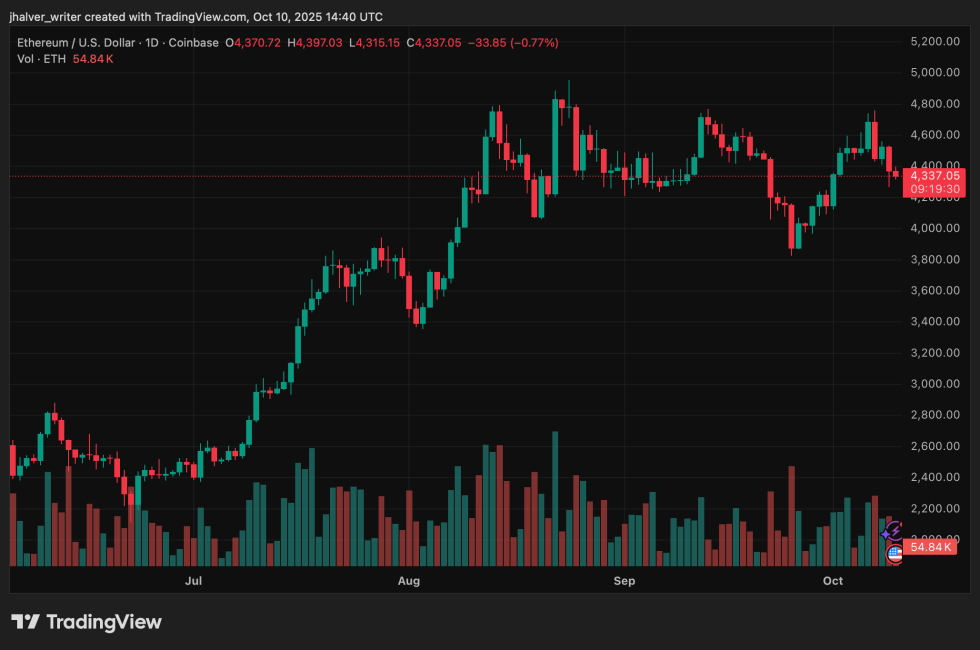
ETH's price trends to the upside on the daily chart. Source: ETHUSD on Tradingview
Industry reaction and early market impact
The reaction from crypto policy makers was swift. Jake Chervinsky, chief legal officer at Variant, said “everyone is involved in crypto,” calling it unworkable and tantamount to a ban on U.S. DeFi frontends.
Summer Mersinger of the Blockchain Association warned that it would “effectively ban DeFi, wallet development and other applications in the United States,” driving responsible builders overseas.
Consequently, markets appeared to retreat as the DeFi basket indicator slipped 3-4%, with notable underperformers including HYPE and ASTR amid growing regulatory uncertainty.
Beyond price, founders fear a chilling effect on hiring, fundraising and product launches if front-end operators and wallet providers must run full broker-style compliance stacks.
Politics, policy and the risk of innovation exodus
The Senate moved closer to a bipartisan compromise on the structure of the digital asset market after the House passed its Digital Asset Market Clarity Act (294-134). But Democrats’ counterproposal on DeFi, driven in part by illicit financing and national security concerns, could stall momentum in a chamber that needs 60 votes.
If the “restricted list” and front-end broker provisions survive, expect intense lobbying, a rollback of civil liberties, and possible legal challenges. Strategists warn that the United States could cede developer share and liquidity to the European MiCA regime, which already provides clearer guardrails for token issuers and service providers.
Potential impact of Senate DeFi restrictions
The leak increases the chances of a near-term slowdown in U.S. DeFi as teams reevaluate legal exposure and capital waits for clarity.
For markets, the main watch points are (1) whether Senate staff relaxes upfront and portfolio requirements, (2) how “sufficient decentralization” is defined in law, and (3) whether Treasury blacklisting power is limited.
Without significant revisions, the United States risks trading consumer protections for a brain drain, with innovation (and tax revenues) flowing to more favorable jurisdictions.
Cover image from ChatGPT, ETHUSD chart from Tradingview
Editorial process as Bitcoinist focuses on providing thoroughly researched, accurate and unbiased content. We follow strict sourcing standards and every page undergoes careful review by our team of top technology experts and seasoned editors. This process ensures the integrity, relevance and value of our content to our readers.


