



Key takeaways
- Regulation, interoperability, and distribution now pose greater hurdles than tokenization technology.
- Traditional institutions retain distribution advantages, but digital platforms could attract new investors and capital.
- Investor participation, liquidity, and portfolio utilization provide stronger adoption metrics than issuance volumes.
Fragmented Standards Restriction Scale
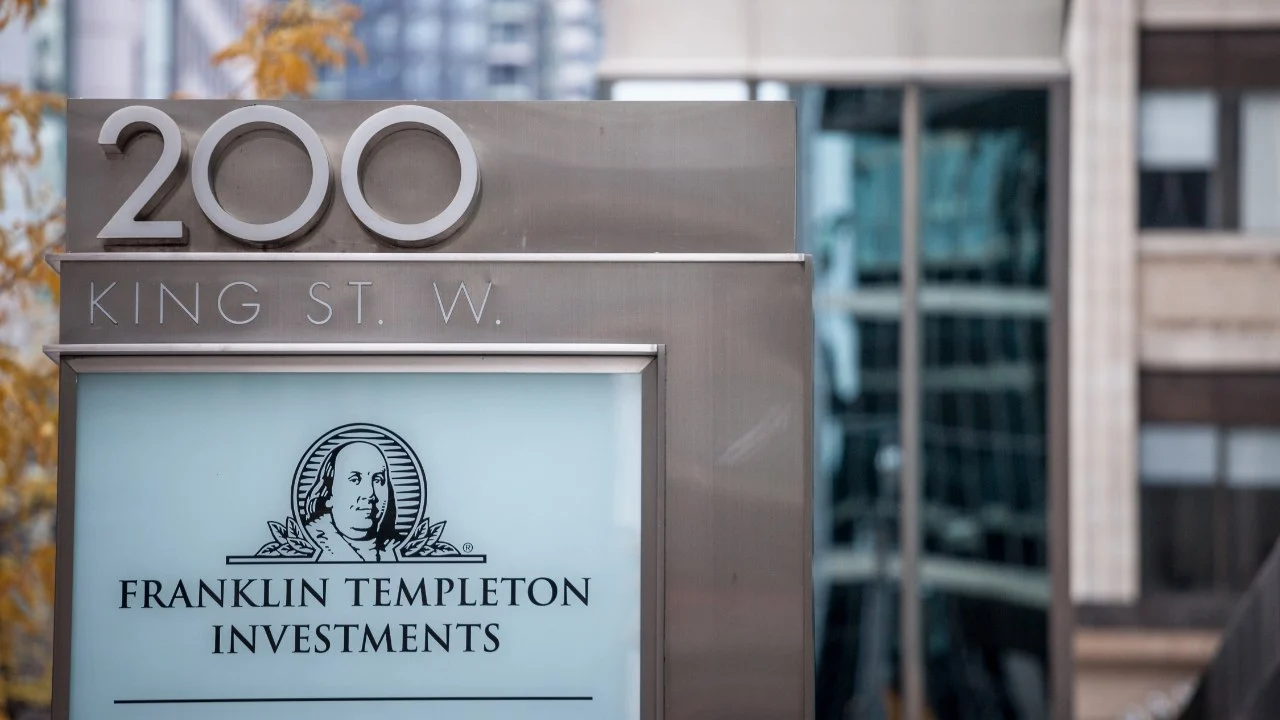
Tokenized funds, securities, and treasury instruments have moved beyond technical demonstrations, but differences between Layer 1 blockchains, interoperability systems, and permissioned and permissionless networks continue to limit scale. Franklin Templeton (NYSE: BEN), which reported assets under management of $1.78 trillion as of May 31, 2026, is among the leading asset managers developing blockchain-based investment products.
In an exclusive interview with Bitcoin.com News, Franklin Templeton principal Chetan Karkhanis, who leads digital asset partnerships in Asia Pacific, described the technical challenge facing the sector:
“From a technology perspective, probably the biggest challenge is the pervasiveness of standards across all products.”
Assets and payments often operate on separate networks, while settlement may involve stablecoins, tokenized bank deposits, or central bank digital currencies (CBDCs) governed by different systems. “Even simple tokenized currency products lack common convergence rails,” Karkhanis noted.
The Bank for International Settlements (BIS) explained how interoperable networks linking tokenized assets to central bank reserves and commercial bank money could reduce reconciliations, support simultaneous settlement and enable programmable transactions. However, without common infrastructure, these benefits could remain limited to individual platforms.
Adoption of regulations and distribution limits
Beyond technology, inconsistent cross-border rules determine where products can be sold, who can own them, and how custody and settlement are handled. Karkhanis highlighted a broader set of constraints:
“The biggest challenges are likely regulatory clarity across borders and awareness, adoption and education, which could lead to greater adoption of tokenized RWAs if done right.”
The November 2025 Tokenization Report from the International Organization of Securities Commissions (IOSCO) also identified regulatory treatment, interoperability, settlement terms and operational dependencies as persistent obstacles. Greater coordination could expand capital pools, while continued fragmentation could restrict products to certain jurisdictions and blockchain ecosystems.
Established banks, brokerages, advisors and fund platforms already provide custody, reporting and access to retail and institutional capital, while many traditional distribution platforms are still experimenting with proofs of concept (POCs) rather than large-scale commercial deployments.
“The traditional distribution platforms are not all there yet. Some are experimenting and launching POCs but not large-scale commercial deployments,” noted the manager of Franklin Templeton. “The technology exists, but the liquidity of tokenized RWAs and issuances is minuscule compared to traditional assets.”
Traditional and digital channels could converge
Rather than replacing existing funding, tokenization can extend it through traditional blockchain accounts, exchanges, wallets and applications. Karkhanis said:
“I think there will be a diversity of offerings – both incumbents and next-generation DeFi players will have the opportunity to participate.”
Incumbents retain most investor relationships and assets, while decentralized finance platforms could attract new generations of investors and their asset flows. Competition will likely depend on accessibility, product selection, regulated custody, consolidated reporting, and settlement efficiency rather than blockchain infrastructure alone.
Familiar products, including tokenized stocks, bonds and exchange-traded funds, may offer the clearest path to broader distribution because investors already understand their risks and returns. Tokenization could provide its greatest value in markets involving complex ownership, restricted access, or frequent movement of collateral.
Wallet Usage Will Define Success
Karkhanis believes that “the main role that asset managers like us can play right now is education and awareness, as well as product appeal.”
Traditional investors will continue to evaluate returns, risks, costs, liquidity and suitability rather than the technology recording ownership. Franklin Templeton’s Onchain US Government Money Fund exemplifies this model by combining a regulated, US-registered money market fund with blockchain-based recordkeeping and administration.
In five years, the executive expects blockchain infrastructure to take a back seat, with investors benefiting from tokenized products without needing to understand the underlying technology, just as they use mobile phones and smart devices today. Ultimately, adoption will depend on significant asset growth, broader investor participation, and sustained secondary market liquidity. He described success in practical terms:
“Simplifying this experience and making it transparent will ensure greater adoption and success will truly be measured by the level of asset growth and investor adoption.”


